
Motorhome vs Fifth Wheel for Full-Time Living
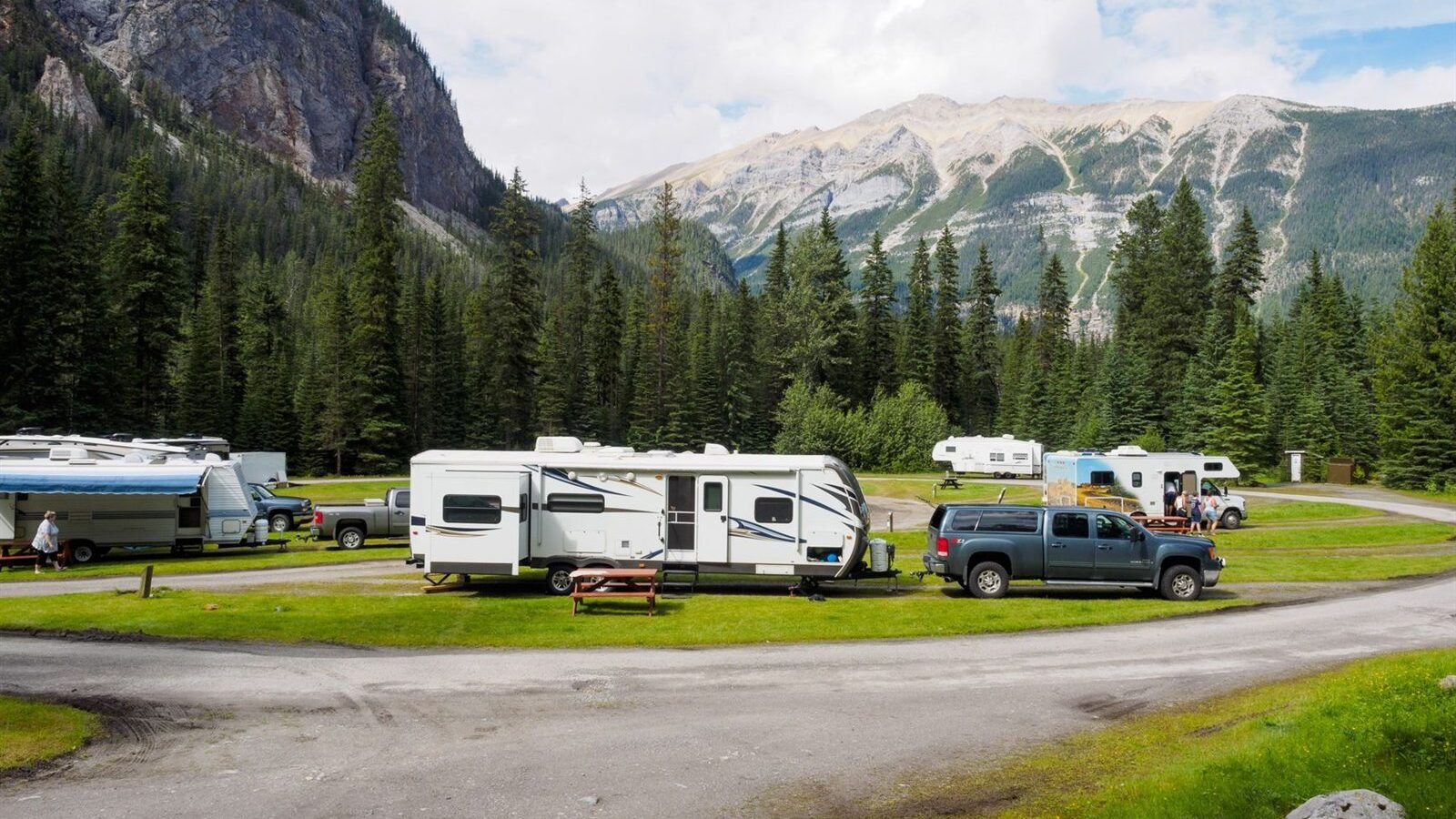
The motorhome vs fifth wheel question is not really about which rig is nicer inside. It is about what your days look like. Someone who moves every three days wants a different answer from someone who parks for a month and explores by car. Work out your travel rhythm first, and the rig follows.
This motorhome vs fifth wheel guide compares the two on living space, travel days, driving and parking, maintenance, and the weight arithmetic that decides whether a fifth wheel is even legal behind your truck. It also says plainly who should pick each one, and who should walk away from it.
Last reviewed and updated: October 8, 2026. How this guide was researched: this motorhome vs fifth wheel comparison is desk research, not an ownership test. Towing weight definitions come from a towing specification reference, cited at the end. Where a commonly repeated figure has no authoritative publisher, we say so rather than presenting it as settled. We did not tow or live in either rig for this article.
Motorhome vs fifth wheel: the short answer
Pick a fifth wheel if you stay in one place for a week or more at a time, want the most living space for the money, and already own or will buy a capable truck. Pick a motorhome if you move often, want travel days to be simple, or cannot face reversing a large trailer into a site.
Everything below is the reasoning, including the parts that are usually left out of the brochure comparison.

Free download: The Full-Time RV Launch Checklist
Our 16-page planner: a 12-month countdown, inspection checklist, budget and weights worksheets and a maintenance calendar. Free and printable.
Living space: the fifth wheel advantage
In the motorhome vs fifth wheel comparison, the towable almost always feels bigger inside at the same overall length. The raised forward section over the truck bed adds a separate level, which is usually the bedroom, so the main living area is not competing with the sleeping area for floor space.
That separation matters enormously for full-time living. Two people in a rig all day need somewhere to be apart from one another, and a split-level layout provides it. Fifth wheels also tend to have taller ceilings, larger residential-style appliances and more storage, because no part of the floorplan is given over to a cab, an engine or a driving position.
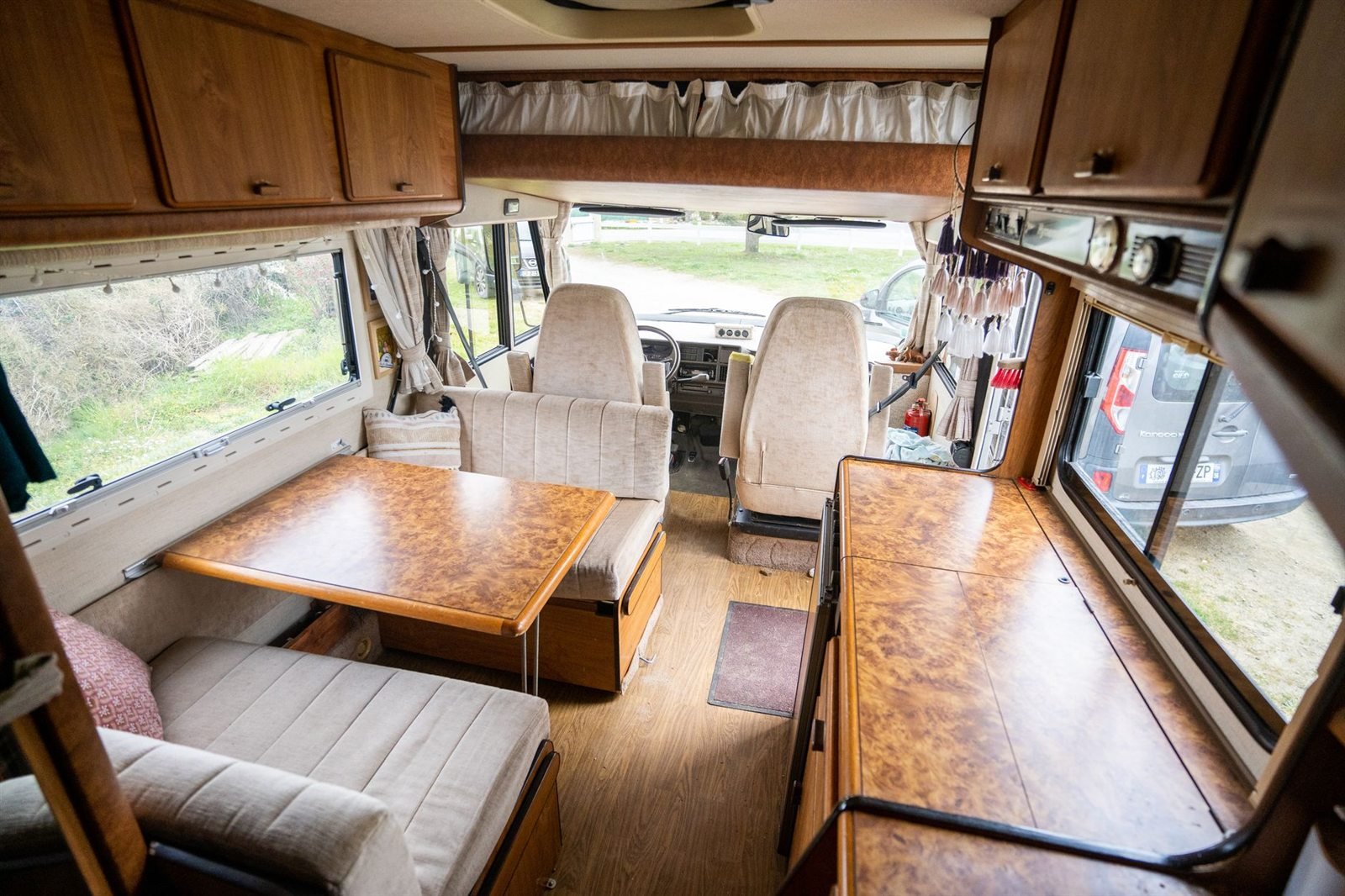
A motorhome spends several feet of its length on the driving area. In a Class A that space is partly recovered, because the cab seats swivel into the lounge. In a Class C it generally is not.
Travel days: the motorhome advantage
This is where the motorhome vs fifth wheel comparison reverses, and it reverses hard.
In a motorhome you arrive, level, and you are done. Passengers can use the bathroom while moving. Lunch comes out of your own fridge at a rest stop. Setting up and breaking camp takes minutes.
With a fifth wheel there is a hitching and unhitching routine at both ends of every move. It becomes quick with practice, but it never becomes nothing, and it happens in whatever weather you are given. If you move every few days, that routine is the dominant fact of your life on the road.
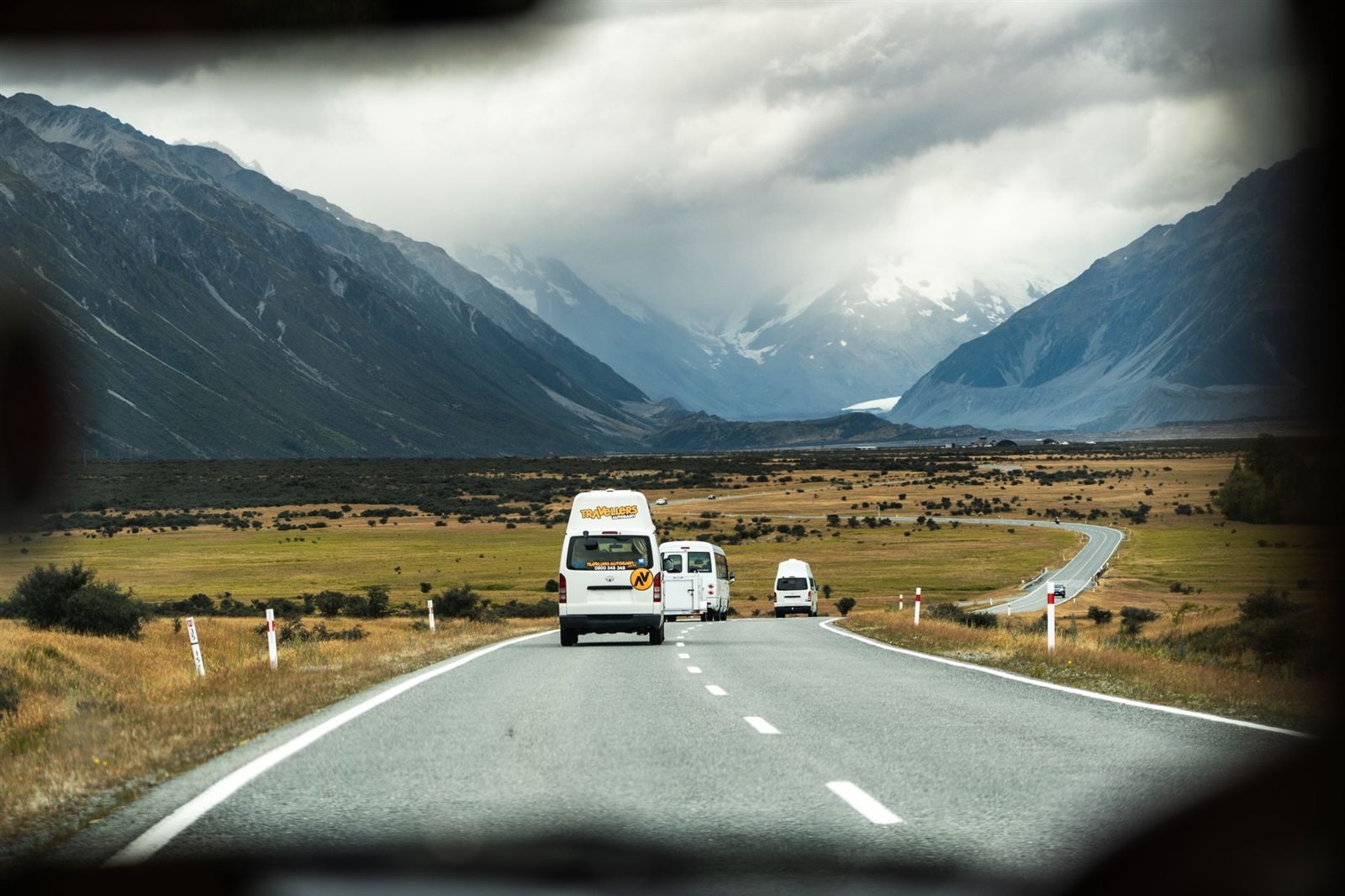
The flip side arrives once you are parked. A fifth wheel owner unhitches and has an ordinary pickup to drive. A motorhome owner either breaks camp every time they need groceries, or tows a second vehicle, which brings its own equipment, cost and complication.
The weight arithmetic you cannot argue with
Before you settle the motorhome vs fifth wheel question on looks, do this calculation. It rules out more fifth wheels than any other factor.
A fifth wheel rests part of its weight on a hitch in the truck bed. That load is the pin weight, and a towing specification reference describes it as typically 15 to 25 percent of the loaded trailer weight. Critically, it counts fully against the truck’s payload, and it comes out of that payload before you seat a single passenger.
For comparison, a conventional travel trailer places only 10 to 15 percent of its weight on the hitch ball as tongue weight. Pin weight is a much larger share, and it sits in the bed rather than behind the bumper.
The consequence is the part people miss: fifth wheel limits usually come from payload, not from tow rating. A truck advertised as towing a very large number can still be illegal with a modest fifth wheel, because the pin weight plus passengers plus cargo exceeds what the truck can carry.
| Step | What to do |
|---|---|
| 1 | Read the payload figure on the truck’s door sticker, not the brochure |
| 2 | Subtract the weight of everyone who travels with you |
| 3 | Subtract tools, gear, pets, water and anything in the bed |
| 4 | Subtract the hitch hardware itself |
| 5 | Compare what is left against the LOADED pin weight, not the dry figure |
| 6 | If it is close, weigh the rig on a public scale before committing |
Use the RV weight and payload worksheet to run this properly. Note that the commonly quoted 15 to 25 percent band appears in towing references and owner guidance rather than in a single authoritative standard, and many experienced owners plan at the upper end of it deliberately. Planning high is the safer error.
Driving, parking and where you can actually go
Neither motorhome vs fifth wheel option is harder to handle than the other. They are harder in different ways.
- Reversing. A fifth wheel pivots over the truck’s rear axle, which makes it noticeably more predictable in reverse than a bumper-pull trailer. A motorhome reverses like a large van, which most people find easier still.
- Height. Both are tall. Fifth wheels are often the taller of the two, so bridge and canopy clearances need checking either way.
- Overall length. A truck plus fifth wheel is a long combination, which matters for site length limits and for fuel stops.
- Manoeuvring on site. Motorhomes win on tight, winding campground roads.
- Breakdowns. If a motorhome needs a shop, your house goes with it. If a truck fails, the trailer stays where it is and you keep living in it.
That final point is worth sitting with. For full-timers it is one of the strongest practical arguments for a towable: your home and your engine are separate problems. Check park access before buying either, especially if national parks are part of the plan, using national park RV length limits.
Maintenance and running costs
A motorhome combines a house and a vehicle into one asset, which means one set of registration and insurance but also one very expensive engine and chassis to maintain. Chassis servicing on a large motorhome is specialist work, and shops able to take a 40-foot vehicle are fewer than shops able to take a pickup.
A fifth wheel splits the problem. The trailer has no engine, so its maintenance is roof, seals, tyres, brakes and appliances. The truck is serviced anywhere that services trucks, which is everywhere. Against that, you are registering, insuring and maintaining two vehicles rather than one.
One cost often forgotten on the motorhome side: an engine that sits for long periods needs exercising, and seals, belts and tyres age whether you drive or not. A motorhome parked for a season is not a motorhome resting; it is a motorhome ageing.
Motorhome vs fifth wheel for full-time living: which wins?
For most full-timers who settle for weeks at a time, the fifth wheel is the stronger choice. The space is better, the separation of living and sleeping areas matters more the longer you stay, and having an ordinary truck to drive once parked transforms daily life.
For full-timers who keep moving, the motorhome earns its keep. If you change location weekly or more often, the hitching routine and the second-vehicle problem dominate, and the motorhome removes both.
Be honest about your actual pattern rather than your intended one. Many new full-timers plan to move constantly and settle into much longer stays within the first year, as campground discounts and tiredness both push in the same direction.
Storage, laundry and the details that decide a long winter
Short trips forgive a lot. Full-time living does not, and a few unglamorous details decide whether a rig works in month six.
Storage is the first. Fifth wheels generally win here, with a pass-through basement compartment that swallows tools, chairs, hoses and sports gear. Motorhome storage is often divided by chassis members and the engine bay, so the total cubic footage is smaller and more awkwardly shaped.
Laundry is the second. Many larger fifth wheels are plumbed and wired for a washer and dryer, and some arrive with one fitted. For a full-timer, that single appliance changes the weekly routine more than almost anything else in the rig.
Residential appliances follow the same pattern. Because a fifth wheel does not carry an engine, designers can spend weight on a full-size refrigerator, a proper oven and a real sofa. Those choices read as luxuries on a two-week holiday and as necessities over a year.
Insulation and tanks matter if you intend to use the rig in cold weather. Look for enclosed, heated tank bays and a rated insulation package in either type, and read winter RV camping before committing to a cold climate.
Resale and how long you will keep it
Both types lose value, but they do it differently, and that interacts with how long you plan to stay in the rig.
A motorhome carries a drivetrain, so its value is tied to engine condition, mileage and chassis age as well as to the living quarters. A worn-out engine can sink the whole asset. A fifth wheel has no engine, so its value tracks structure, roof, seals and interior condition. Those things are more within your control.
There is a practical consequence for full-timers. If you upgrade the trailer later, you keep the truck. If you upgrade a motorhome, you replace everything at once. Splitting the purchase into two assets gives you two smaller decisions instead of one large one.
Who should choose each, and who should skip it
Choose a fifth wheel if you stay put for a week or more, want maximum living space, already own a capable truck, and value keeping home and engine separate.
Skip a fifth wheel if the weight arithmetic does not work without buying a bigger truck you do not otherwise want, or if hitching in bad weather every few days sounds intolerable.
Choose a motorhome if you move frequently, want simple travel days, need passengers to access the living space while moving, or find towing stressful.
Skip a motorhome if you cannot accept your home going into a workshop when the engine needs attention, or if you do not want the expense of towing a second vehicle for errands.
Questions to answer before you decide
- How many nights will you stay in one place, honestly, on average?
- Do you already own a truck, and what does its door sticker say about payload?
- Will you tow a car behind a motorhome, and have you budgeted for that equipment?
- Can both of you comfortably be in the rig all day on a wet week?
- Where will you store or service it, and will local shops take something that size?
- If the engine fails, where do you sleep that night?
Work the numbers with the full-time RV budget calculator and read the cost of full-time RVing before committing. If you are still deciding whether to buy at all, start with new vs used RV and full-time RV living.
Frequently asked questions
What is pin weight and why does it matter so much?
Pin weight is the portion of a fifth wheel’s weight that rests on the hitch in the truck bed, typically 15 to 25 percent of the loaded trailer weight. It matters because it counts fully against the truck’s payload, before passengers and cargo. That is why fifth wheel limits usually come from payload rather than from the tow rating.
Is a fifth wheel harder to reverse than a travel trailer?
Generally no, it is easier. A fifth wheel pivots over the truck’s rear axle rather than behind the bumper, which makes its movement more predictable in reverse. A motorhome is easier still, because it reverses much like a large van.
Do I need a special licence to drive a large motorhome?
It depends on where you are licensed and on the vehicle’s weight rating, and the rules differ between states. Some jurisdictions require a non-commercial upgraded licence above certain weights. Check your own state’s requirements against the rig’s gross weight rating before buying, and confirm with the licensing authority rather than a dealer.
Which gives more living space for the same length?
A fifth wheel, usually by a clear margin. The raised forward section over the truck bed creates a separate level, normally the bedroom, so the main living area is not shared with the sleeping area. A motorhome gives up several feet of its length to the driving position and engine.
What happens if my motorhome breaks down?
Your home goes into the workshop with it, which is the main practical argument against a motorhome for full-timers. With a towable, a truck failure leaves the trailer where it is and you continue living in it. Factor that into your plans if you have no backup accommodation.
Can I tow a car behind a motorhome?
Yes, and many full-timers do, because otherwise you break camp for every errand. It requires suitable towing equipment and a vehicle that can be towed in the way you intend, which not all vehicles can. Budget for the equipment and the extra length when choosing campsites.
Sources and further reading
- Towing Specs, on fifth-wheel pin weight and its effect on truck payload
- NHTSA, for vehicle weight ratings and recall information
- National Park Service, for campground length limits and access rules
This guide is educational. Weight ratings, licensing requirements and insurance rules vary by state and by vehicle, so confirm the specifics with the manufacturer and your licensing authority before you buy.
Keep planning
- Cost of Full-Time RVing: A Realistic Monthly Budget, Line by Line
- Full-Time RV Living: A Complete Guide to Planning, Costs and Life on the Road
- RV Domicile and Mail Forwarding: How Full-Time RVers Choose a Home State
- How to Dump RV Tanks: A Clean, Step-by-Step Guide to Black and Gray Tanks
Go deeper: RV Living hub · Full-Time RV Budget Calculator · RV Emergency Fund Calculator

Written by Jeremy Jarvis
Jeremy Jarvis is the founder and editor of Freedom Road Living, where he builds research-based guides and free planning tools for people who live, work and travel in an RV. He sets the site's editorial standards, checks every guide against official sources such as the National Park Service and manufacturer documentation, and is responsible for corrections. Jeremy also founded Eco Nomad Travel, Mind Clarity Hub, SilkHarborTravel and WanderOza Travel, and he is the author of books on clarity, focus and practical AI, including The Power of Clarity and Digital Clarity.