
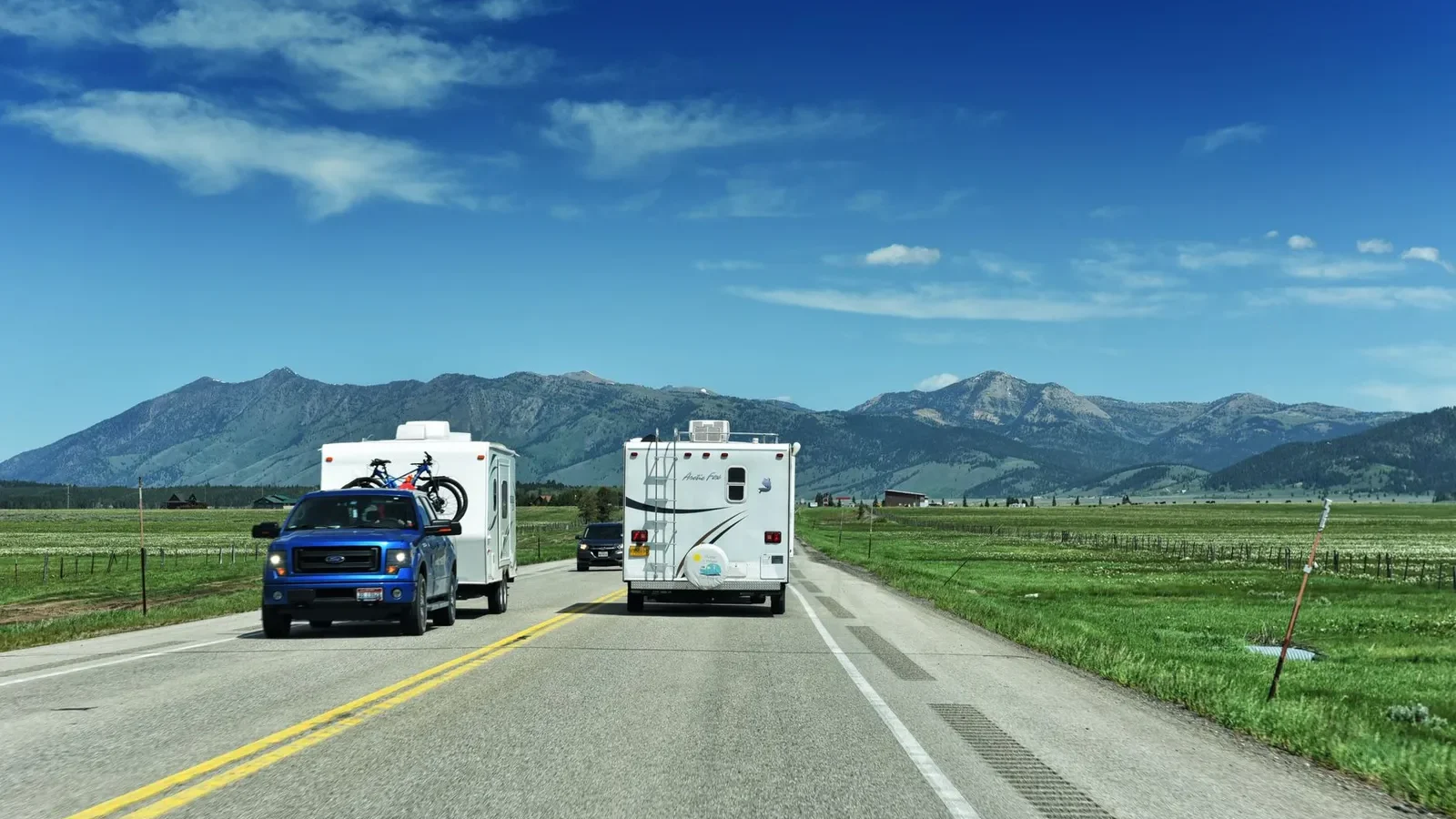
Where you stay shapes your budget, your internet, your power needs, and your whole experience. This hub explains the types of places RVers stay across the United States and Canada, how to plan routes that follow the seasons, and how to check the details that matter for your rig. Every location record we publish shows its source and the date it was last verified.
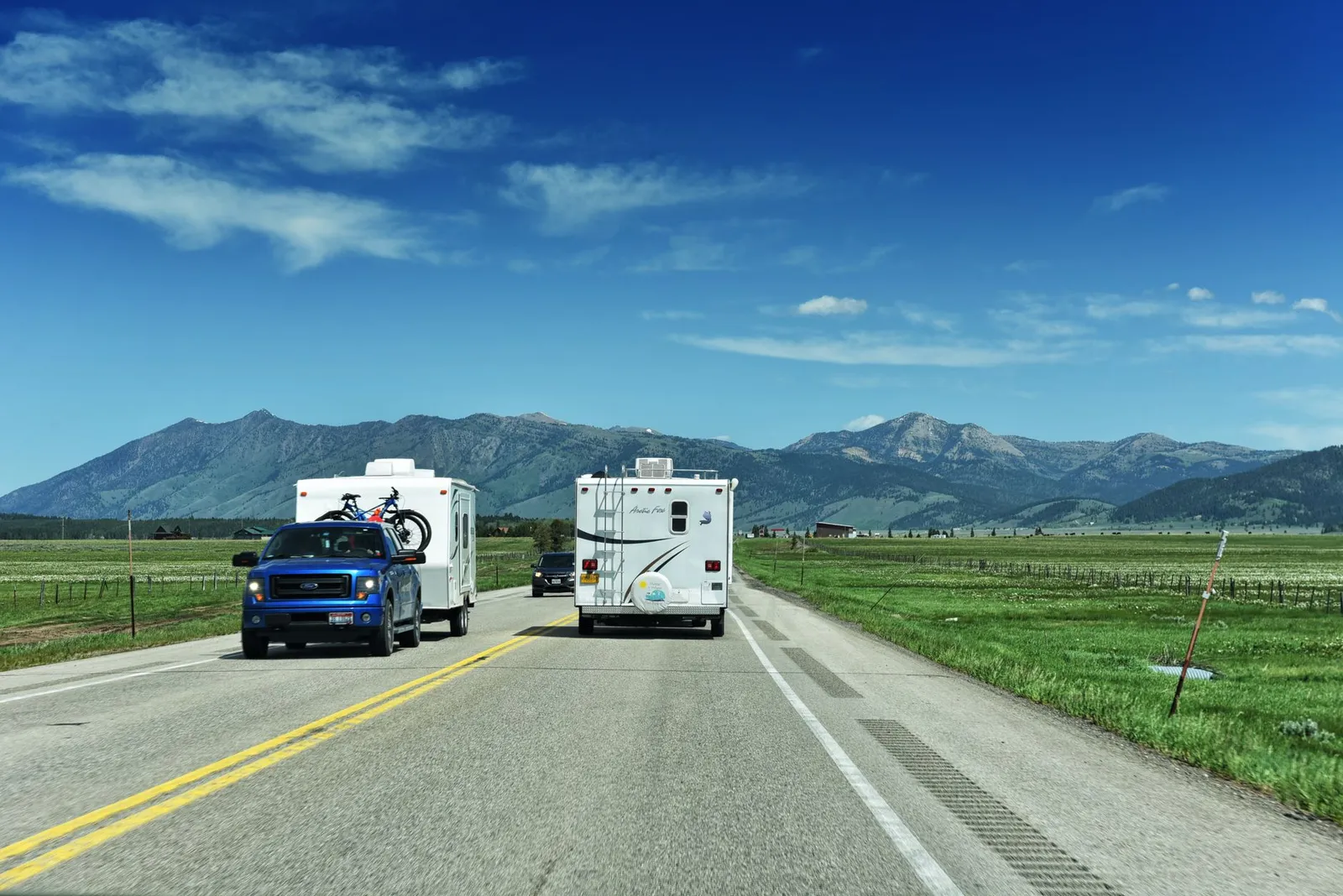
Types of places to stay
| Type | Typical hookups | What to know |
|---|---|---|
| National park campgrounds | Often none or limited | Reservation windows open months ahead; many have RV length limits |
| State and provincial parks | Varies; often electric | Separate reservation systems; popular sites book early |
| Commercial RV parks | Usually full hookups | Weekly and monthly rates can be much cheaper per night |
| Public land (dispersed camping) | None | Stay limits, fire restrictions, and road conditions set by the managing agency |
| Membership and host programs | Varies | Rules and availability set by each program and host |
| Overnight parking | None | Only where legally permitted and the owner allows it |
National park camping with an RV
Many national park campgrounds were designed decades ago and have limited space for large rigs. Check the park’s official page for vehicle length limits, road restrictions, reservation timing, generator hours, and seasonal closures before you plan.
Boondocking and public land
Boondocking, or dry camping without hookups, can be peaceful and free, but it requires self-sufficiency in water, power, and waste. Follow the managing agency’s stay limits (often 14 days in one area on many public lands), fire restrictions, and Leave No Trace principles. Size your power with our Solar Sizing Calculator.
Seasonal route planning
Follow comfortable weather: northern regions and higher elevations in summer, and the southern United States in winter. Watch for mountain pass closures, wildfire season, hurricane season on the coasts, and holiday demand. Leave buffer days for weather and repairs.
Plan every leg
- Check your total length and height against campgrounds, roads, bridges, and tunnels.
- Keep drive days short and arrive before dark.
- Know where you will fuel, especially in remote areas.
- Check connectivity at each stop if you work.
- Check pet policies, quiet hours, and accessibility needs.
RV travel in Canada
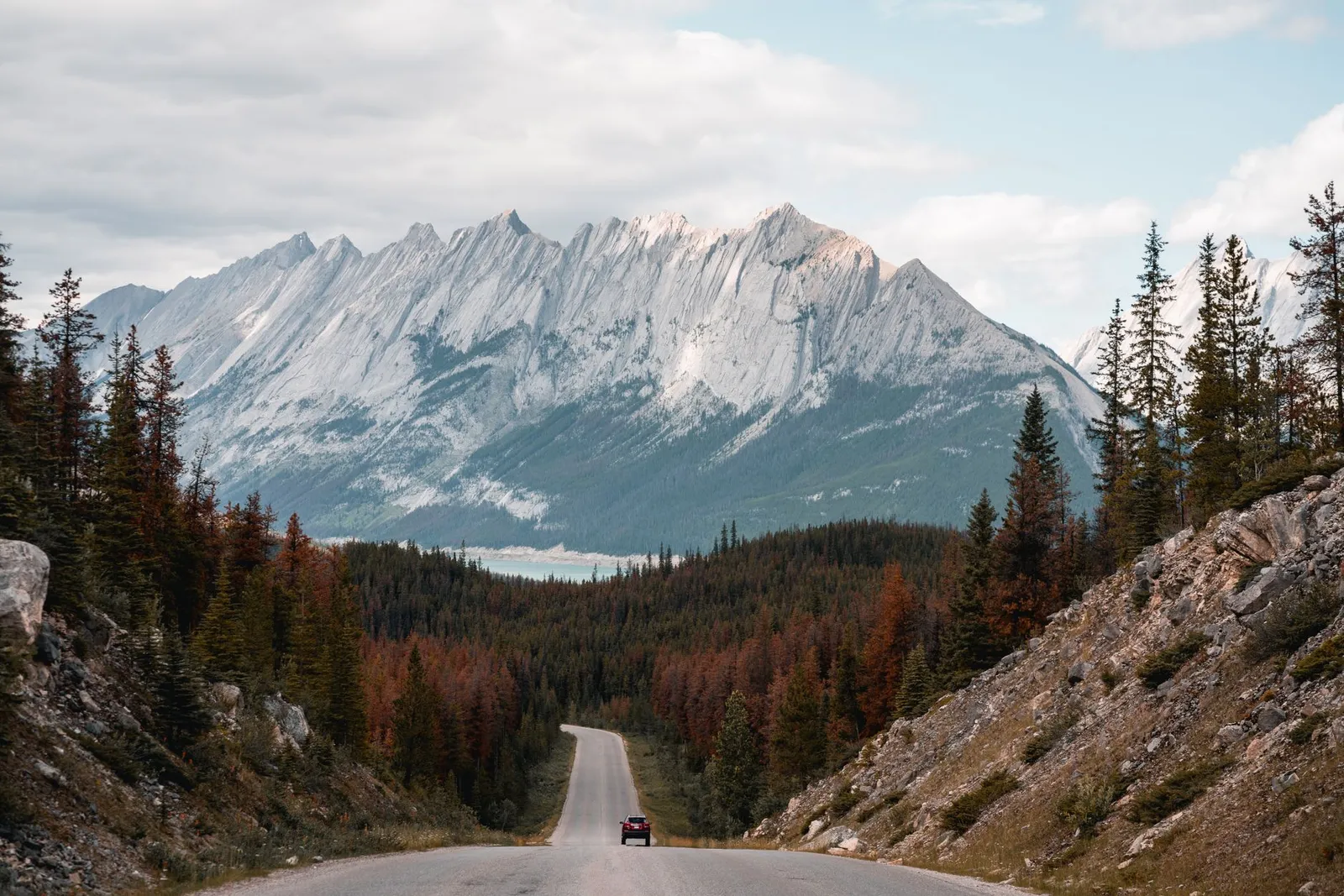
Canada’s national and provincial parks offer spectacular RV camping, with reservation systems that often open well in advance. Before crossing, check the Canada Border Services Agency’s current rules for travelers, food, firewood, and pets, and confirm your insurance and phone plans work in Canada.
How we source location data
We use government open data, official campground sources, licensed datasets, our own research, and submissions from RVers who give permission. We never scrape proprietary campground apps or copy their reviews. Read our Data Sources and Verification Policy.
How to book popular campgrounds
- Find the official reservation system for the park or campground; avoid third-party resellers.
- Note when the booking window opens (often months ahead) and set a reminder.
- Filter by your total length, hookups, and site type before the window opens.
- Have backup campgrounds and dates ready.
- Check cancellation rules, and watch for cancellations close to your dates.
What to check for every stop
| Check | Why it matters |
|---|---|
| Total length and height | Sites, roads, bridges, and tunnels have limits |
| Road access | Steep grades, gravel, and tight turns can be hard with a large rig |
| Hookups and amperage | Affects power, water, and dumping plans |
| Connectivity | Essential if you work; check coverage maps |
| Solar exposure | Shade is great in heat but limits solar charging |
| Fuel and groceries | Remote areas may have long gaps |
| Pet policies and quiet hours | Avoid surprises on arrival |
| Accessibility | Accessible sites and facilities vary |
Seasonal planning by region (general guide)
- Winter: southern states and desert regions are popular; high mountain roads and some parks close.
- Spring: shoulder season in many regions; watch for late snow at elevation and spring storms.
- Summer: northern states, mountains, and Canada; book early and plan for wildfire smoke and closures.
- Fall: quieter parks and colorful routes; some northern campgrounds close for the season.
Always confirm conditions with official sources before you go.
Travel-day checklist
- Route checked for height, weight, and length restrictions.
- Weather and road conditions checked.
- Walk-around: steps up, antennas down, slides in, hitch secured, tanks closed.
- Fuel plan and rest stops identified.
- Arrival before dark, with the next campground confirmed.
Official campground data you can search
Finding a campground that fits your rig is one of the hardest parts of RV trip planning. So we built two tools on official government data. First, the RV Campground Finder lists federal campgrounds by state, from the National Park Service and the Recreation Information Database behind Recreation.gov, and filters park campgrounds by your rig length. Second, our national park RV length limits table lists every park campground that publishes a maximum RV length.
For the strategy behind those numbers, read our guide to national park RV length limits. It explains how to measure your rig, why parks set limits, and where big rigs can stay when park campgrounds are too tight.
Free and low-cost camping
Campground fees are one of the largest costs of RV travel. However, millions of acres of public land allow free dispersed camping with the right preparation. Our guide to free camping in the United States explains where it is legal, how 14-day stay limits work, which official maps to use, and how to camp respectfully without hookups. Then compare paid options with the Campground Cost Calculator.
Every guide in this topic
Step-by-step, research-based guides that go deeper on each decision.
- Yellowstone campgrounds
- Grand Teton campgrounds
- Grand Canyon campgrounds
- Zion campgrounds
- Camping in the Smoky Mountains
- Hoh Rainforest campground
- Sleeping Bear Dunes camping
- National park RV length limits
- Free camping in the US
Official resources
The agencies and organizations we check our facts against. Always confirm current rules and conditions with them before you travel or buy.
- National Park Service: find a park
- NPS entrance passes
- Recreation.gov campground reservations
- Bureau of Land Management camping
- USDA Forest Service recreation
- National Weather Service forecasts
- National Hurricane Center
- Parks Canada
- Canada Border Services Agency: travel
- US Customs and Border Protection: travel
New: map, winter and comparisons
Explore every national park campground on our National Park RV Campground Map, filtered by your rig length, and plan the cold months with our winter RV camping guide.
Frequently asked questions
Boondocking, also called dry camping, means camping without water, sewer, or electric hookups, often on public land. It requires planning for water, power, and waste, and following the managing agency’s rules. Stay limits are set by each agency and area; 14 days in one area is common on many public lands, but always check the specific rules where you camp. Many do, because of campsite size and road design. Check the official park page for vehicle length limits before planning your trip. Only where local law permits it and the property owner allows it. Rules vary by city and business and change often, so always ask and look for posted signs.What is boondocking?
How long can you stay at one spot on public land?
Do national parks have RV length limits?
Is it legal to park an RV overnight in a parking lot?
Tools for campgrounds and routes
- Campground Cost Calculator – nightly vs. weekly vs. monthly
- RV Trip Cost Calculator – each leg
- RV Fuel Cost Calculator – fuel budget
Help build the directory: submit a campground or report a change.