
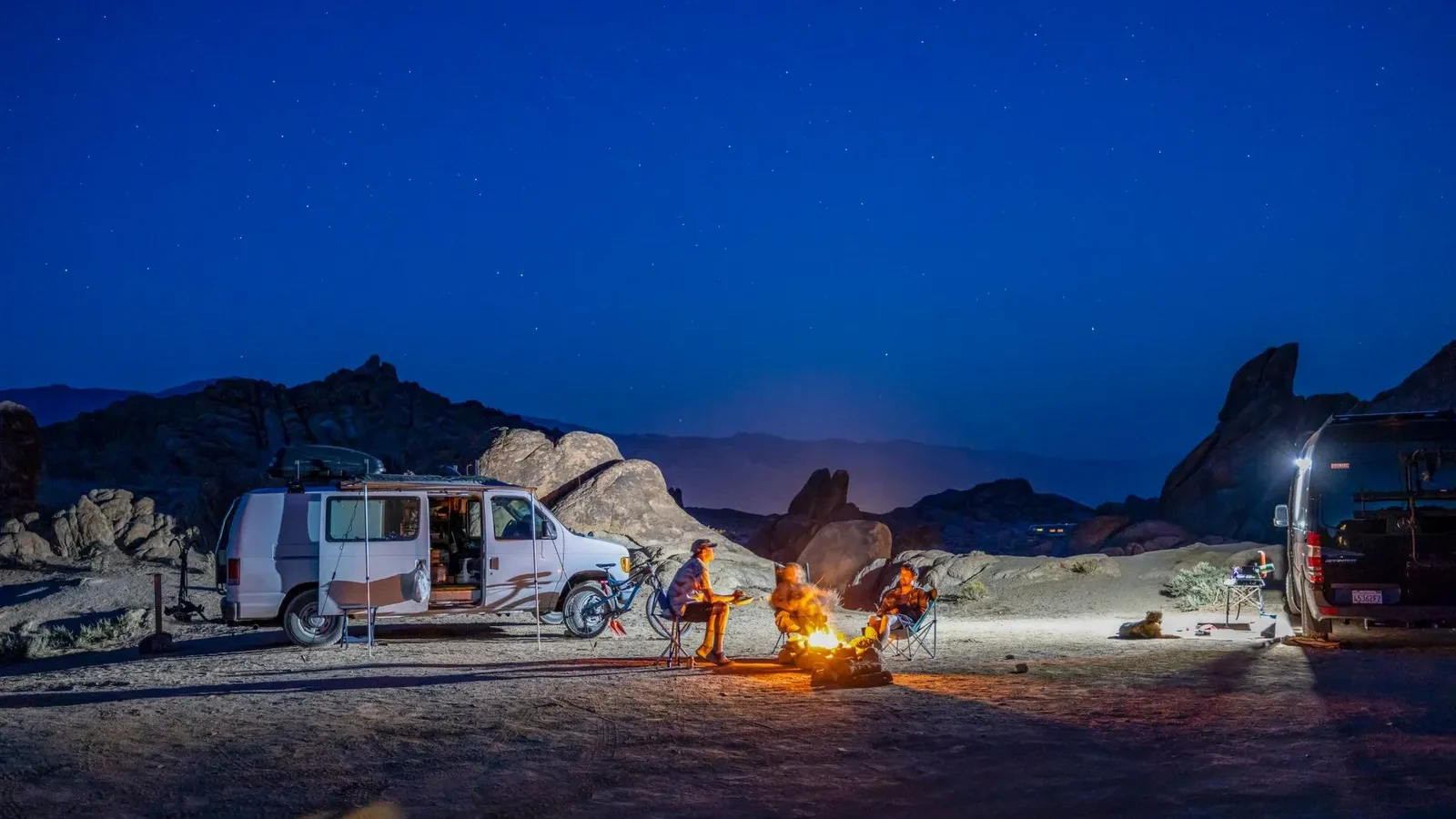
The right gear makes RV life safer, more comfortable, and less stressful. The wrong gear takes up precious space. This guide focuses on equipment that solves a real problem, explains the trade-offs, and tells you what to check before you buy. Every recommendation on Freedom Road Living states whether we tested it hands-on or researched it.
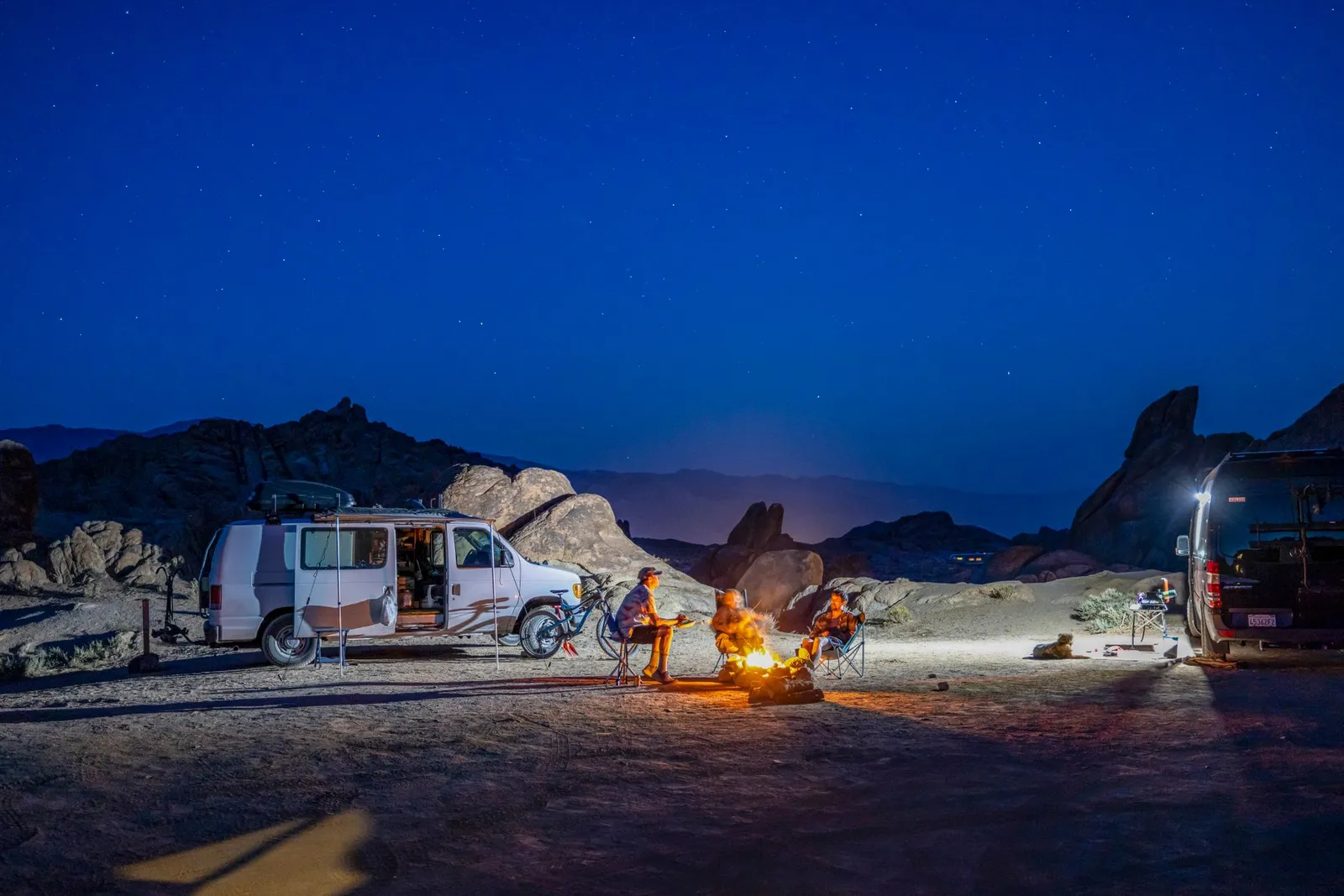
Start with the essentials
Before comfort upgrades, cover the gear that ends a trip if it is missing: a drinking-water hose, pressure regulator, and inline filter; a sewer hose kit with gloves; electrical adapters and a surge protector; leveling blocks and wheel chocks; and working safety detectors and fire extinguishers. Our RV Starter Gear Checklist covers the full list.
Electrical protection: surge protector or EMS?
A basic surge protector guards against spikes. An electrical management system (EMS) also protects against low and high voltage, miswired pedestals, and other faults that can damage appliances. Full-timers who move between many campgrounds often choose EMS protection.
Water filtration
Campground water quality varies. Options range from a single inline sediment filter to multi-stage canister systems that reduce sediment, chlorine taste, and more. Match the filter to your water sources and replace cartridges on schedule.
Leveling and stability
Leveling blocks, ramps, and chocks keep your RV level and your fridge working properly. Check capacity ratings against your axle weights, and use wheel chocks every time.
Tires and tire pressure monitoring
RV tires can fail from age even with good tread, so check the four-digit DOT date code. A tire pressure monitoring system (TPMS) warns you of pressure loss and heat buildup before a blowout.
Sleep and comfort
RV mattresses often come in non-standard sizes, such as a “short queen,” so measure before buying. Blackout shades and day-night blinds make a big difference at bright campgrounds.
Refrigeration and kitchen
RV refrigerators are typically absorption (propane and electric) or 12-volt compressor models. Compressor fridges cool better in heat and suit solar setups; absorption fridges run on propane when off-grid. Portable 12-volt fridges add capacity for longer trips.
Outdoor living, storage, and cleaning
Quality camp chairs, an outdoor rug, and a folding table extend your living space. Collapsible kitchen gear and stackable bins make the most of limited storage. RV-safe cleaning products protect seals and holding tanks.
Heating and cooling
Know your furnace and air conditioner’s power needs. Portable heaters must be used safely with working carbon monoxide detectors, and portable air conditioners draw significant power off-grid.
How we choose gear
We shortlist products that meet the key specifications, include options at different budgets and from more than one merchant, and never let commission rates decide. Read our Review Methodology.
Buy it now, or wait?
| Buy before your first trip | Buy after a few weeks on the road |
|---|---|
| Hookup kit, pressure regulator, water filter | Upgraded mattress and bedding |
| Surge protector or EMS | Portable 12-volt fridge |
| Leveling blocks and wheel chocks | Outdoor furniture and rugs |
| Tire pressure gauge or TPMS | Storage organizers sized to your cabinets |
| Safety detectors and fire extinguishers | Office upgrades like a portable monitor |
Living with the RV for a few weeks shows you what you actually need and what fits, which prevents buying gear that sits unused in a bay.
Weight matters
Every item you add counts against your RV’s cargo carrying capacity. Heavy gear such as generators, batteries, water, and tools adds up quickly. Weigh your rig loaded, and remove things you have not used in a month.
What to look for in any RV gear
- Clear specifications and ratings that match your RV (amperage, weight capacity, dimensions).
- Safety certifications where relevant (for example electrical and propane products).
- A warranty and responsive support, with availability in both the US and Canada if you cross the border.
- Durability under vibration, heat, and cold.
- Compact storage when not in use.
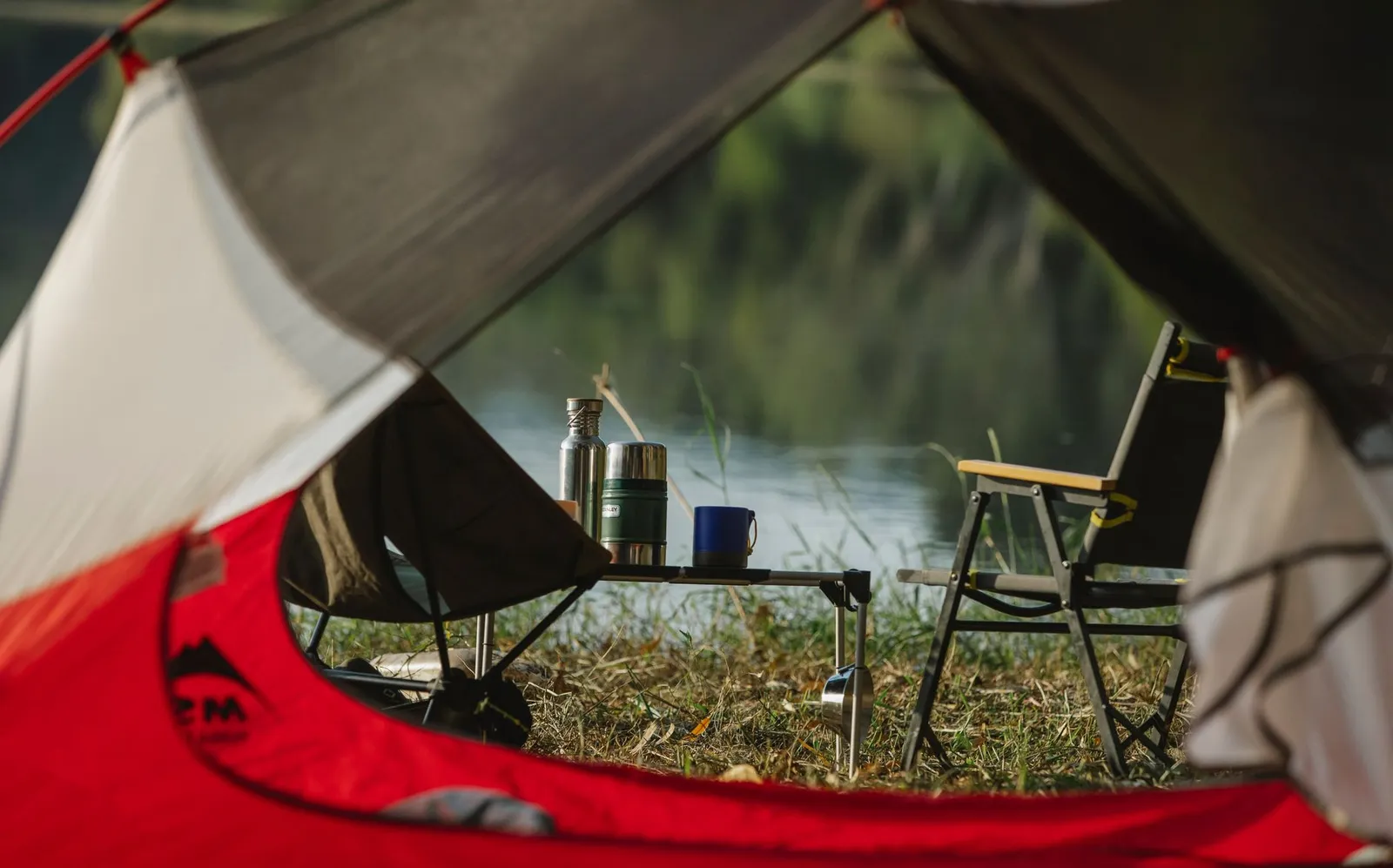
Pet gear for the road
Consider a temperature monitor that alerts your phone if the RV gets too hot or cold, a secure tie-out or portable pen, a copy of vaccination records for campgrounds and border crossings, and a list of emergency veterinarians along your route.
Gear guides built on sizing math
Good gear decisions start with numbers, not brand names. For power gear, our guides to the portable power station for camping and the RV lithium battery show how to size equipment for your own loads. For connectivity, Starlink for RV covers dishes, mounts, and power. Where we link to brands, we explain what they sell and how to compare them, and we never claim testing we have not done.
Every guide in this topic
Step-by-step, research-based guides that go deeper on each decision.
- RV surge protector
- RV leveling blocks
- RV tire pressure monitoring system
- RV trailer hitch
- RV covers
- RV awning care
- RV mattress sizes
- RV water filter
- RV refrigerator
- RV water heater repair
Official resources
The agencies and organizations we check our facts against. Always confirm current rules and conditions with them before you travel or buy.
Frequently asked questions
Start with hookup gear (drinking-water hose, pressure regulator, filter, sewer kit, electrical adapters, surge protection), leveling blocks, wheel chocks, and working safety detectors. Our starter gear checklist lists everything. It is strongly recommended. Campground pedestals can have faults and power spikes. An electrical management system adds protection against low or high voltage and miswiring. Many RVs use non-standard sizes such as a short queen, which is shorter than a residential queen. Measure your platform before buying. Compressor fridges cool better in hot weather and pair well with solar, while absorption fridges can run on propane off-grid. The best choice depends on how you camp.What gear do I need for my first RV trip?
Do I need a surge protector for my RV?
What size mattress fits an RV?
Is a 12-volt compressor fridge better than an absorption fridge?
Tools for gear
- RV Starter Gear Checklist – first-night essentials
- New RV Inspection Checklist – before you buy
- Portable Power Station Selector – power for your gear
Browse every guide in RV Gear and Upgrades.