
New vs Used RV: Which Should You Actually Buy?
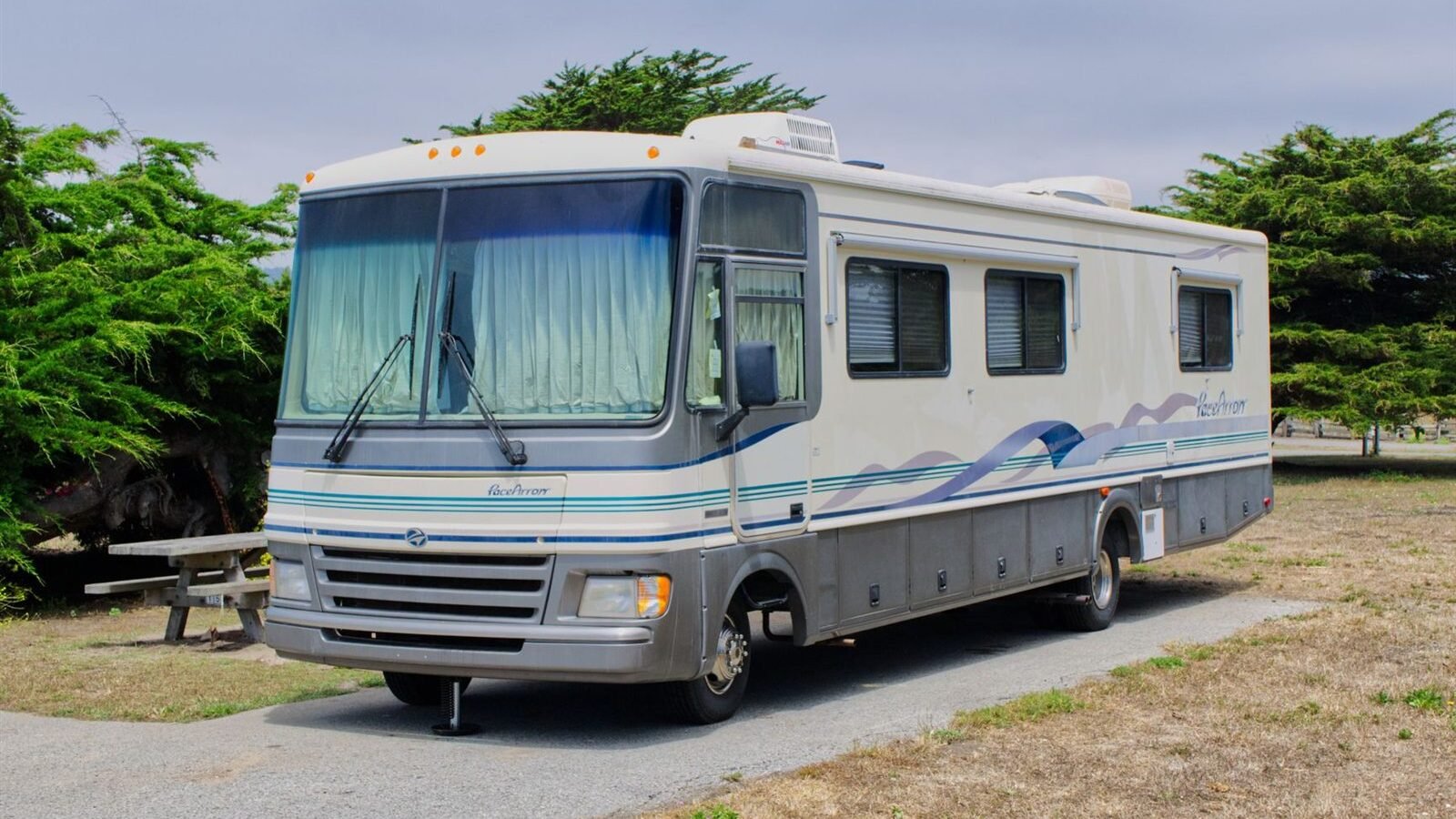
The new vs used RV question is really a question about who absorbs the depreciation and who absorbs the defects. Buy new and you pay for the value drop but get a warranty to cover the teething problems. Buy used and someone else has already paid the drop, but any problems are now yours. Everything else follows from that trade.
This new vs used RV guide works through the depreciation curve, which rig types fall fastest, what a warranty is genuinely worth, how to inspect a used unit, and who should take each route. It does not quote prices, because they move constantly and vary by region, but it does explain exactly what drives them.
Last reviewed and updated: October 8, 2026. How this guide was researched: this new vs used RV guide is desk research, not a buying test. Depreciation patterns come from RV industry sources cited at the end, and we have flagged where published estimates disagree rather than picking the most convenient number. We did not purchase or inspect any RV for this article.
The short answer
For most first-time buyers weighing new vs used RV options, used wins. The steepest loss has already happened, the original owner has usually fixed the early faults, and a smaller financial commitment is the right way to discover what you actually want from an RV.
New makes sense in narrower cases: when you want a warranty because you cannot do your own repairs, when you need a specific floorplan that is not available used, or when you intend to keep the rig for a decade and the depreciation gets amortised across many years of use.

Free download: The Full-Time RV Launch Checklist
Our 16-page planner: a 12-month countdown, inspection checklist, budget and weights worksheets and a maintenance calendar. Free and printable.
What depreciation actually does to the decision
Depreciation is the single biggest number in the new vs used RV comparison, and it is front-loaded.
Camping World describes the largest drop as happening right after purchase. An RV loses around a quarter of its value, depending on several factors. Other industry estimates are lower. That disagreement is worth stating plainly rather than papering over. Nobody publishes an audited figure, condition and model matter enormously, and any single percentage is a rough guide at best.
What all the sources agree on is the shape of the curve. The loss is steepest at the start and the rate decreases over time, though the value keeps falling year on year. That shape is what creates the opportunity.
The Goldilocks period
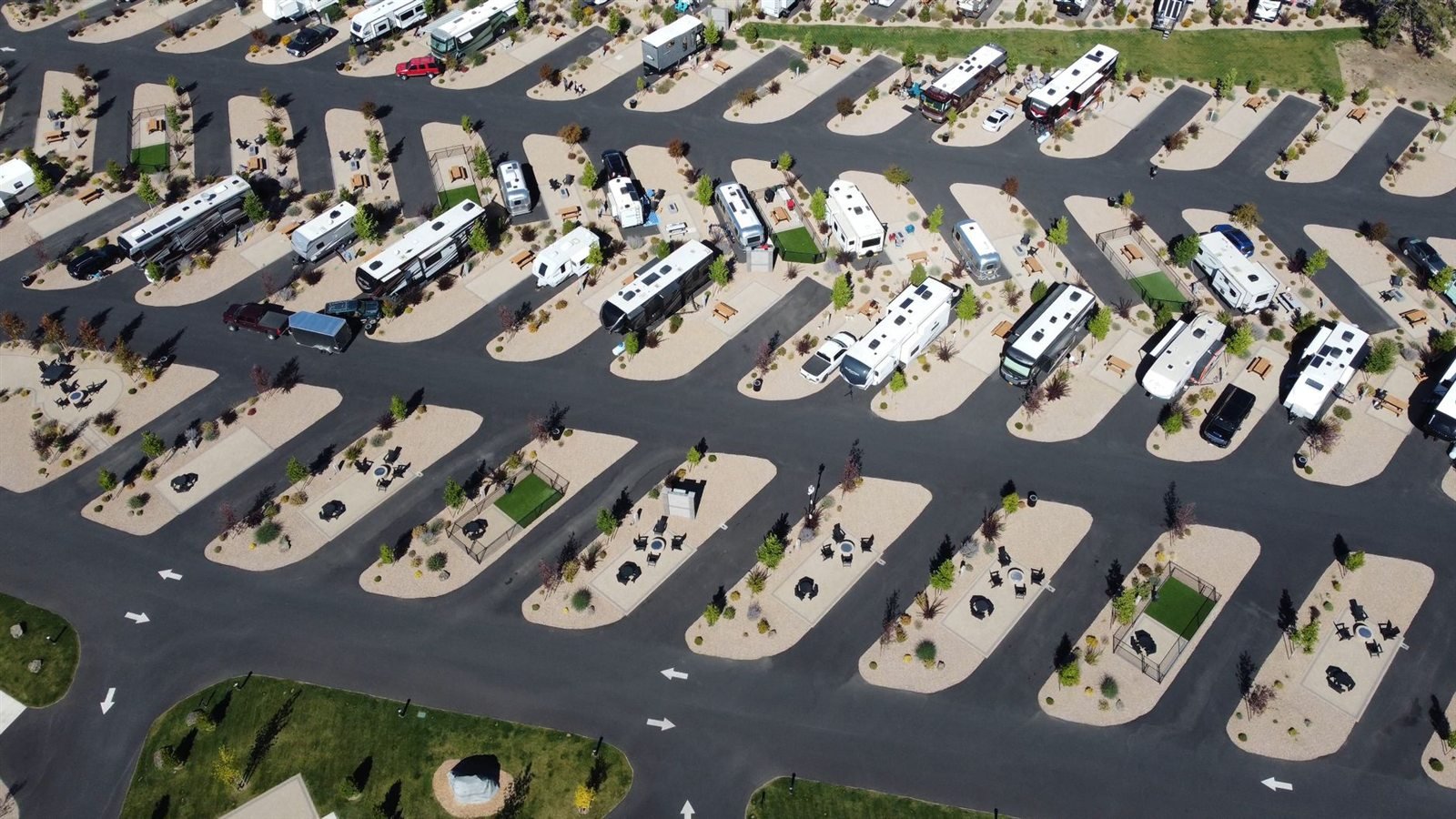
Camping World names the window that experienced buyers aim for: a period after most depreciation has occurred, but while the RV is still in good condition. That is the sweet spot, and it is the strongest argument for buying used.
You are letting the first owner pay the steepest part of the curve while you buy a unit that still has years of comfortable service in it. The catch is that condition varies enormously by that point, which is why inspection matters more than mileage.
Which RV types lose value fastest?
Depreciation is not uniform across the market, and it shifts the new vs used RV calculation depending on what you are shopping for.
| Type | Depreciation pattern | What that means for you |
|---|---|---|
| Travel trailers | Depreciate the least | Buying new is least punishing here |
| Pop-up trailers | Likely lose the least of all | A low-risk way to start |
| Class C motorhomes | Hold up best in the motorhome segment | The steadier motorhome choice |
| Class A motorhomes | Noted as depreciating faster | Strong case for buying used |
| Class B camper vans | Noted as depreciating faster | Watch for demand-driven swings |
| Fifth wheels | Among the most depreciation risk | Luxury models can drop abruptly |
The pattern behind the table is that luxury level and popularity drive the drop. Expensive, brand-name luxury models can lose value quickly, and a lower initial price carries less total depreciation risk simply because there is less money to lose.
What buying new actually gets you
On the new side of the new vs used RV question, the honest list is shorter than the showroom suggests, but the items on it are real.
- Warranty cover. The most valuable item by far, because new RVs frequently need warranty work in the first season.
- Current systems. Lithium-ready wiring, modern inverters and newer appliance standards, without retrofitting.
- Known history. Nobody has hidden a leak, towed it overloaded or skipped the winterising.
- Your exact floorplan. Used inventory is whatever exists nearby, not what you drew on a napkin.
- Better finance terms in many cases, since lenders view new collateral more favourably.
That warranty point deserves emphasis rather than scepticism. RVs are assembled from many suppliers’ components and then shaken down a motorway. First-season faults are therefore common across the industry. A warranty is not a bonus. It is the mechanism that gets those faults fixed at someone else’s expense.
What buying used actually gets you
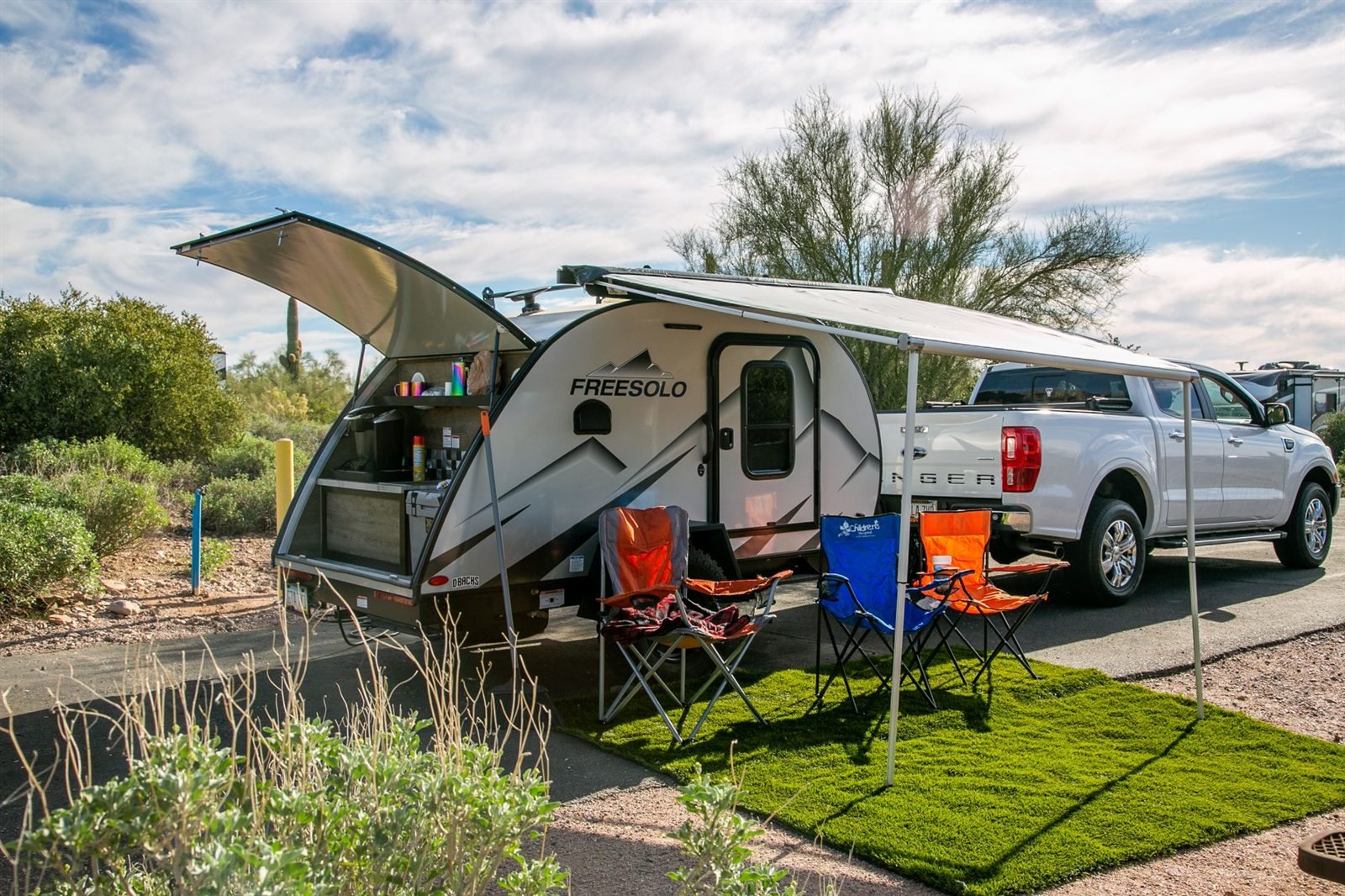
The case for used in the new vs used RV comparison is mostly financial, but not entirely.
- Someone else absorbed the steep part of the curve. This is the whole argument, and it is a strong one.
- The early faults are usually fixed. A rig with two or three seasons behind it has had its leaks and loose fittings sorted.
- You can see how it aged. Water stains, soft floors and tired seals are visible evidence that a new unit cannot give you.
- Lower financial exposure while you discover whether this life suits you at all.
- Upgrades may be included, because owners often add solar, batteries and suspension improvements that do not fully show up in the asking price.
That last point is quietly significant. A used rig with a solar install and a lithium bank already fitted can represent real value, since you would otherwise be paying for that work separately. Our guides to RV solar panels and RV lithium batteries cover what those systems are worth.
The cost of a new RV that nobody mentions
There is a hidden cost on the new side beyond depreciation: the shakedown period.
A new RV typically needs several trips back to the dealer in its first year while faults are fixed under warranty. Those trips cost you time. More importantly, they cost you use of the rig, sometimes for weeks during the season you most wanted it. Buyers routinely account for the depreciation and forget this entirely.
A well-chosen used unit, by contrast, has had that process completed by somebody else. You inherit a sorted rig rather than an unsorted one. That is a genuine benefit, and it partly offsets the absence of a warranty.
How to inspect a used RV properly
If the new vs used RV answer lands on used, the inspection is the purchase decision. Everything else is negotiation.
Water damage is the defect that matters most, because it is expensive, progressive and often hidden. Work through it systematically:
- Get on the roof. Check the membrane and every sealant joint around vents, antennas and the front and rear caps.
- Feel the floor throughout, especially near slide-outs, entry doors and the bathroom. Softness means a leak that has been running a while.
- Look in every cabinet corner and ceiling edge for staining, bubbling or a musty smell.
- Operate the slides fully in and out, listening for strain and watching the seals.
- Test every appliance on both shore power and propane where applicable.
- Check tyre date codes, because RV tyres age out long before they wear out.
- Inspect the frame and suspension for rust, cracked welds and sagging.
- Ask for maintenance records. An owner who kept them usually kept up with the work too.
Use our RV inspection checklist as you walk through, and consider paying an independent certified inspector for anything expensive. It is a small fraction of the purchase and it is the only opinion in the transaction that is not trying to sell you something.
Financing, insurance and the numbers around the purchase
The purchase price is not the commitment. The monthly total is, and the two sides of the new vs used RV choice differ here.
New units often attract longer terms and better advertised rates. Older units can face shorter terms or higher rates, and some lenders decline to finance rigs beyond a certain age. Insurance generally costs less on a used unit. Depreciation also changes how long you stay in negative equity, which matters if you may want out within a few years.
Work the real numbers before you shop rather than after. Our RV purchase affordability calculator, RV loan payment calculator and the RV loans guide cover financing, and if you are not yet certain you want to own at all, the rental versus purchase calculator is the honest first stop.
Mileage, age and hours: reading a used rig honestly
Buyers coming from the car market over-weight mileage. That instinct misleads on an RV. A motorhome with many highway miles on regular service can be in better shape than one that sat on a drive for six years. Seals dry out and tyres age whether the rig moves or not.
Read three numbers together instead of one:
- Chassis mileage tells you about the drivetrain, and on a well-serviced chassis it is rarely the limiting factor.
- Generator hours indicate how much the rig was actually lived in, which matters more than distance.
- Tyre date codes tell you about age exposure, and RV tyres time out long before they wear out.
Storage history matters as much as any of them. A rig kept covered and winterised ages far more slowly than one left in sun and frost. That is exactly why covering, storing and winterising are listed among the things that preserve value.
Where the new vs used RV decision changes over time
One more consideration is how long you intend to keep it, because depreciation per year falls the longer you own.
A buyer who keeps a new rig for a decade spreads the front-loaded loss across many seasons. That softens it considerably. A buyer who changes rigs within two or three years takes the steepest section of the curve and little of the flat part. Financially, that is the worst way to own a new RV.
So ask yourself honestly how long this rig will suit you. First-time buyers very often change within a couple of years, because they learn what they actually want by using one. That pattern alone argues for starting used.
Who should buy new, and who should buy used
Buy new if you cannot or will not do your own repairs and want warranty cover, you need a specific current floorplan, you plan to keep the rig for many years, or you are shopping in a segment that depreciates slowly such as travel trailers.
Skip new if you are still working out whether RV life suits you. Discovering that an RV is not for you is far cheaper on a used unit.
Buy used if you want the Goldilocks window, you are comfortable arranging your own repairs, you want lower financial exposure, or you are shopping for a type that drops quickly such as a Class A or a fifth wheel.
Skip used if you cannot inspect thoroughly or pay someone who can, and you have no appetite for unplanned repairs. A cheap rig with a hidden roof leak is not a saving.
A buying sequence that works
- Decide the type and size first, driven by where you will actually camp. Start with national park RV length limits if parks are the plan.
- Check what your vehicle can legally tow, or whether you need a motorhome. Use the RV weight and payload worksheet.
- Set a total monthly figure including insurance, storage and maintenance, not a purchase price.
- Decide new or used using the depreciation pattern for that specific type.
- Inspect ruthlessly if used, and read the warranty terms carefully if new.
- Negotiate on evidence from the inspection rather than on the asking price.
If full-time living is the goal rather than holidays, read full-time RV living and the cost of full-time RVing before you choose a rig, because the requirements change considerably.
Frequently asked questions
How much value does a new RV lose in the first year?
Estimates vary widely and none is audited. Camping World describes the largest drop as occurring right after purchase, with the RV losing around a quarter of its value depending on several factors. Other industry estimates are lower. Treat any single figure as a rough guide, because condition, type and market demand all move it, and no RV industry body publishes a definitive number.
What is the Goldilocks period for buying a used RV?
It is the window after most depreciation has occurred but while the RV is still in good condition. Buying in that window lets the first owner absorb the steepest part of the curve while you get a rig with plenty of service life left. Condition varies widely by then, so a thorough inspection matters more than the model year.
Which RV types hold their value best?
Travel trailers depreciate the least, and smaller pop-up trailers likely lose the least of all. Among motorhomes, Class C generally holds up best. Class A, Class B and fifth wheels are noted as depreciating faster, which is linked to their luxury level and popularity.
Is a new RV warranty worth the extra cost?
It depends on whether you can do your own repairs. New RVs commonly need warranty work in the first season, so the warranty is the mechanism that gets those faults fixed at the manufacturer’s expense. If you are comfortable diagnosing and fixing things yourself, that protection is worth less to you than it is to someone who is not.
What should I check first on a used RV?
Water damage, because it is expensive, progressive and often hidden. Get on the roof and check every sealant joint, feel the floor for softness near slides and the bathroom, and look into cabinet corners and ceiling edges for staining or a musty smell. Then check tyre date codes, since RV tyres age out before they wear out.
Can I finance an older used RV?
Often yes, but terms differ. Lenders may offer shorter terms or higher rates on older units, and some decline to finance beyond a certain age. Work out the full monthly cost including insurance, storage and maintenance before shopping, rather than focusing on the purchase price alone.
Sources and further reading
- Camping World, on RV depreciation rates, the Goldilocks period and which types depreciate fastest
- RV Industry Association, for shipment and industry profile data
- NHTSA, for vehicle recall lookups before you buy
This guide is educational and not financial advice. Loan terms, insurance and tax treatment vary by lender and by state, so confirm details with qualified professionals before committing to a purchase.
Keep planning
- RV Loans Explained: Rates, Terms, and How to Get a Better Deal
- Motorhome vs Fifth Wheel for Full-Time Living
- RV Propane Tank Guide: Sizes, How Long They Last and Safety
- RV Air Conditioner Guide: BTUs, Power, Soft Starts and Upkeep
Go deeper: RV Living hub · RV Purchase Affordability Calculator · RV Loan Payment Calculator · New RV Inspection Checklist

Written by Jeremy Jarvis
Jeremy Jarvis is the founder and editor of Freedom Road Living, where he builds research-based guides and free planning tools for people who live, work and travel in an RV. He sets the site's editorial standards, checks every guide against official sources such as the National Park Service and manufacturer documentation, and is responsible for corrections. Jeremy also founded Eco Nomad Travel, Mind Clarity Hub, SilkHarborTravel and WanderOza Travel, and he is the author of books on clarity, focus and practical AI, including The Power of Clarity and Digital Clarity.