
Full-Time RV Living: A Complete Guide to Planning, Costs and Life on the Road
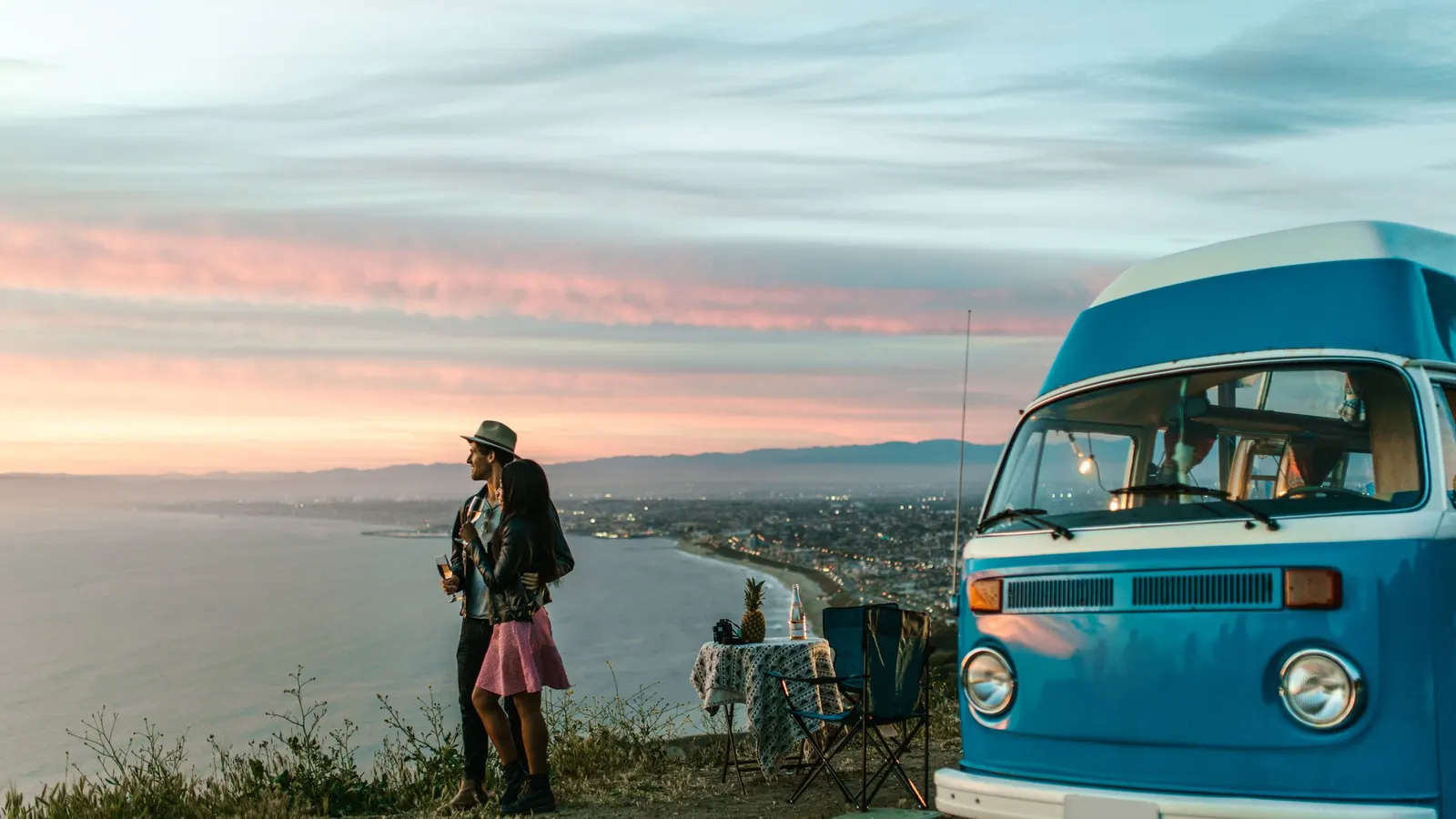
Waking up to a new view, setting your own schedule, and carrying your home wherever you go: full-time RV living appeals to retirees, remote workers, young families and adventurers alike. But living in an RV full time is also a real lifestyle change, with its own costs, chores and challenges. This guide brings everything together in one place. We cover how to decide whether it fits, how to choose a rig, how to downsize, how to budget, and how to set up the practical systems that make life on the road work, from mail and internet to health care, safety and community.
Last reviewed and updated: September 30, 2026. Written by Jeremy Jarvis.
Key takeaways
- Try before you commit: KOA suggests a test run at an RV park for an extended stay to see what daily life feels like.
- Choose an RV built for the way you will live, including climate, storage and work space.
- Downsize early; Escapees and KOA both note it takes longer and is more emotional than people expect.
- Plan the practical systems first: budget, domicile and mail, internet, health care and an emergency fund.
Throughout, we draw on guidance from KOA, Escapees and RV Life, and we link to our own detailed guides on each topic. Treat this as your roadmap: read it once for the big picture, then dive into the sections that matter most for your plans.
Is full-time RV living right for you?
KOA puts it well: if you have a sense of wanderlust and a thirst for adventure, full-time RVing may be the lifestyle for you, but there are challenges that come with living in an RV full time. Before you sell the house, think honestly about how you handle small spaces, constant change and hands-on maintenance. In addition, consider your relationships. Living with a partner, children or pets in a few hundred square feet takes patience and good communication.
It also helps to ask why you want to go full-time. Some people want to travel widely. Others want a simpler, cheaper life, while still others want to stay near family in different places through the year. Your reasons will shape every other decision, from the RV you buy to how fast you travel. KOA also advises finding a balance between planning ahead and going with the flow, which is good advice for full-time RV living in general.
Take a test run first
One of the smartest steps is a trial. KOA suggests booking an RV park for an extended stay and bringing everything you think you would need, to see what day-to-day life would feel like. If you do not own an RV yet, renting one for a few weeks is another way to test the lifestyle; our guide on how to rent an RV explains the options.

Free download: The Full-Time RV Launch Checklist
Our 16-page planner: a 12-month countdown, inspection checklist, budget and weights worksheets and a maintenance calendar. Free and printable.
During your trial, pay attention to the details. Notice where you run out of storage, how the bed feels after a week, how you handle dumping tanks and leveling, and whether you can work comfortably. These lessons are much cheaper to learn before you buy than after. As a result, many full-timers say their trial run changed the type of RV they eventually bought.
Choosing an RV for full-time living
Your RV is your home, so choose carefully. KOA recommends researching the best types of RVs for your lifestyle and looking for one suited to full-time living. Each type has trade-offs:
| RV type | Strengths for full-timers | Trade-offs |
|---|---|---|
| Fifth wheel | Lots of living space and storage; residential feel | Needs a capable pickup truck |
| Class A motorhome | Large living space; easy setup; big storage bays | Higher cost; often tow a car |
| Class C motorhome | Smaller and easier to drive; cab-over bed | Less storage than a Class A |
| Travel trailer | Wide price range; unhitch to explore | Often lighter construction |
| Camper van | Go almost anywhere; easy parking | Very limited space for full-time living |
Beyond the type, look at the features you will use every day: a comfortable bed, a real workspace if you work remotely, enough storage and holding tank capacity, and good insulation if you will visit cold or hot climates. Also, check the cargo capacity, since full-timers carry far more than weekend campers. Our RV Weight and Payload Worksheet helps you check this. Finally, many buyers choose a well-kept used RV to avoid steep early depreciation; our guide to RV loans covers financing either way.

Downsizing for full-time RV living
Downsizing is often the hardest part of the transition. KOA notes that downsizing is necessary so you only have the belongings you truly need, and that it can have emotional side effects, because letting go of sentimental items is hard. Therefore, start early. Most people find it takes far longer than they expect.
Escapees suggests tackling four main areas: your wardrobe, your paperwork, your furniture and your daily habits. For paperwork, Escapees recommends pulling out everything paper, from receipts to old mail, and deciding what to keep, scan or shred. Then go room by room, sorting items into keep, sell, donate and toss piles. For sentimental items, many people take photos so they can keep the memory without the item. If you plan to keep a storage unit, weigh its monthly cost against the value of what you store.
KOA also lists essential tools to bring for maintaining your RV, such as a drill, wrenches, spare fuses and duct tape. In other words, while you shed household items, you will gain a small toolkit. Plan space for it.
Budgeting for living in an RV full time
Many people assume full-time RV living is always cheaper than a house. Sometimes it is; sometimes it is not. RV Life notes that how much you spend is largely up to you, and that camping fees and fuel are among the biggest monthly costs. Your travel pace makes a huge difference: moving every few days means more fuel and nightly campground rates, while staying a month at a time usually unlocks lower weekly or monthly rates, as RV Life points out.
Main budget categories include:
- Campground fees, or savings from boondocking and memberships.
- Fuel and propane.
- RV payment, insurance and registration.
- Maintenance and repairs, which are constant on a home that moves.
- Internet and phone plans.
- Health insurance and medical care.
- Food, entertainment and daily living.
RV Life mentions memberships that full-timers use to cut camping costs, such as Thousand Trails, Harvest Hosts, Boondockers Welcome and Passport America. In addition, free and low-cost camping on public land can lower costs a lot; see our guide to free camping. To put numbers to your own plan, use our Full-Time RV Budget Calculator and RV Cost of Living Comparison Tool. Also, build an emergency fund for repairs; our RV Emergency Fund Calculator helps you size it.
Domicile, mail and paperwork
Without a house, you still need a legal home state for your driver’s license, vehicle registration, insurance, taxes and voting. That is your domicile. Most full-timers pair a domicile state with a mail forwarding service that gives them an address and forwards mail on the road. Because these choices affect taxes, insurance and more, research carefully and get professional advice. Our full guide to RV domicile and mail forwarding walks through the options and steps.
Internet for full-time RVers
For many full-timers, internet is as essential as water and power. Campground WiFi is unreliable, so most people carry their own connection: a phone or dedicated hotspot, often with plans from two carriers, plus satellite for remote areas. A cell booster helps in fringe areas. To learn how these pieces fit together, read our guides to RV WiFi, the RV cell signal booster and Starlink for RV, or start with our RV Internet Setup Selector.
Work and income on the road
KOA’s advice is simple: if you do not have retirement income, find a job that is conducive to the RV lifestyle. Common options include remote work for an employer, freelancing, running an online business, and seasonal work. Workamping, where you work at a campground or attraction often in exchange for a site and pay, is popular too; see our workamping jobs guide. For remote workers, plan your travel around your work schedule, and keep a backup connection for important meetings. Our Work From the Road hub has more resources.
Health care and insurance
Health care takes extra planning when you travel. Some health plans have limited coverage outside their home area, which matters if you roam widely. Before you go, understand how your plan handles care in other states, how to fill prescriptions on the road, and where to find urgent care. Many full-timers schedule annual checkups during visits to their domicile state. In addition, full-time RV insurance often differs from recreational coverage, since your RV is your home; talk to an insurer that understands full-time use. Roadside assistance designed for RVs is also worth considering.
Campgrounds, boondocking and travel pace
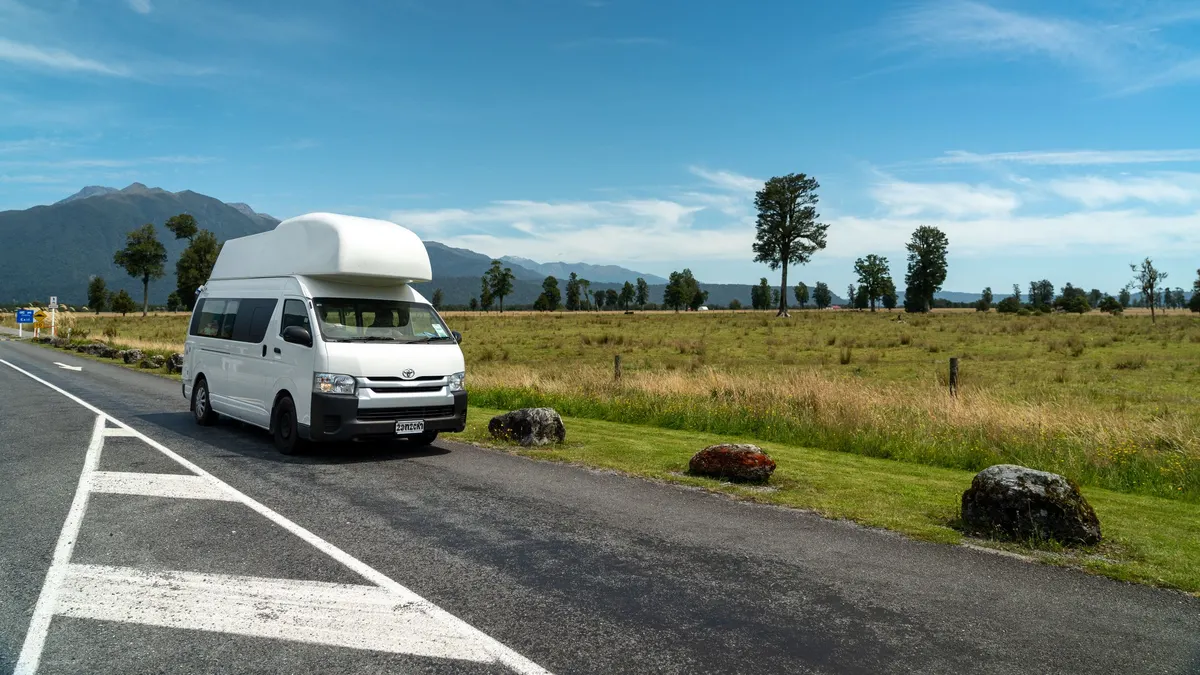
Where you stay shapes your budget and your experience. Private RV parks offer full hookups and amenities. Public campgrounds in state and national parks offer beautiful settings, often with fewer hookups and length limits; our guide to RV length limits in national parks helps you check fit. Boondocking on public land is often free but requires power, water and waste planning. Our RV Campground Finder helps you search options.
Travel pace is one of the biggest choices full-timers make. Many new full-timers move too fast and burn out. Slowing down, with longer stays and shorter driving days, usually lowers costs and stress. Our Travel Day Planner and Campgrounds and Routes hub help you plan comfortable days and follow good weather.
Maintenance as a way of life
An RV is a house that experiences an earthquake every time you drive. As a result, maintenance never stops. Full-timers learn basic skills such as leveling, dumping tanks, checking tire pressure, caring for the roof and awning, and winterizing or protecting plumbing in cold weather. Our guides cover these in detail: RV leveling blocks, how to dump RV tanks, the RV tire pressure monitoring system, RV awning care and how to winterize an RV. Keeping a maintenance log helps you stay on schedule.
Safety on the road
Safety for full-time RVers covers several areas. On the road, it means a correct hitch setup, good tires and sensible driving; our RV trailer hitch guide explains towing basics. At camp, it means working smoke, carbon monoxide and propane detectors, a fire extinguisher and a plan for severe weather. For power, a surge protector guards your electrical system; see our RV surge protector guide. Finally, share your location and plans with someone you trust, and keep copies of important documents in a safe place.
Community and staying connected
Full-time RV living can feel isolating at times, especially for solo travelers. KOA’s tips include building a network of friends on the road, and many full-timers say community is what makes the lifestyle sustainable. Clubs, rallies, online groups and campground events are all good ways to meet people. Staying connected with family through regular calls and visits also helps. Many full-timers plan their routes to meet up with friends they have made along the way.
What daily life is really like
Daily life on the road mixes the ordinary with the extraordinary. You will still cook, clean, do laundry and pay bills, just in a smaller space with a better view. Some days involve breaking camp, driving and setting up again; others are slow days of hiking, working or relaxing. Chores like dumping tanks and refilling propane become part of the rhythm. Over time, most full-timers develop routines that make life smooth, such as a setup checklist, a weekly cleaning plan and a regular maintenance schedule.
Full-time RV living with kids and pets
Families and pet owners can thrive on the road, but they need extra planning. For children, think about schooling first. Many traveling families homeschool or use online school, which means planning reliable internet and a quiet place to learn. In addition, children benefit from routines and friends, so many families slow their travel and look for campgrounds with other kids. Similarly, involving children in planning routes and activities helps them feel part of the adventure.
Pets bring joy, but they also need care. Before you go, check that campgrounds on your route accept your pets and note any breed or number limits. Moreover, plan for temperature, because an RV can get dangerously hot or cold if the power or air conditioning fails while you are away. Many full-timers use temperature monitors that send alerts to their phones. Finally, carry vaccination records and find veterinarians along your route in case of emergencies.
Seasons and climate on the road
One of the joys of full-time RV living is following good weather. Many full-timers spend summers in the mountains or the north and winters in the desert Southwest, Florida or the Gulf Coast. However, popular winter destinations fill up early, so book ahead or plan to boondock. Shoulder seasons, in spring and fall, often bring the best mix of mild weather, open campgrounds and fewer crowds.
Climate also affects your rig. Cold weather brings frozen hoses and tanks, while heat strains air conditioners and batteries. So, plan your route with your RV’s capabilities in mind, and keep an eye on weather forecasts, especially for wind, storms and wildfire smoke. Our Campgrounds and Routes hub has route ideas to help you sketch a year of travel around the seasons.
When to take a break
Even people who love full-time RV living sometimes need a pause. Long stretches of driving, repairs and constant planning can wear anyone down. Therefore, many full-timers build regular rest periods into their year, such as a month at one campground, a seasonal workamping job or time with family. Others keep a small home base they return to between trips. There is no single right way to live on the road, and adjusting your plans over time is part of what makes the lifestyle sustainable.
Full-time RV living checklist
- Do an extended trial run in an RV.
- Choose an RV suited to full-time use and your travel style.
- Start downsizing early, area by area.
- Build a realistic budget and emergency fund.
- Choose a domicile state and mail forwarding service.
- Set up internet with a backup connection.
- Secure income or confirm retirement funds.
- Plan health care, insurance and roadside assistance.
- Learn core maintenance skills before you leave.
- Plan a slow first route with shorter travel days.
Common full-time RV living mistakes
- Skipping the trial run. Test the lifestyle before selling everything.
- Buying the wrong RV. Choose for daily living, not weekend trips.
- Bringing too much. Overloading strains the RV and your patience.
- Underestimating costs. Maintenance and fuel add up.
- Traveling too fast. Slow down to save money and avoid burnout.
- Neglecting health and insurance plans. Sort them out before you go.
Full-time RV living is not a permanent vacation, but for many people it is a deeply rewarding way to live. With a test run, the right rig, a realistic budget and solid systems for mail, internet and maintenance, living in an RV full time can be both freeing and sustainable. For more guides and tools, explore our RV Living hub.
Frequently asked questions about full-time RV living
How do I start full-time RV living?
Start by testing the lifestyle with an extended stay in an RV, then choose a rig suited to full-time use, downsize, build a budget, set up a domicile and mail service, and plan your internet and income before you hit the road.
Is living in an RV full time cheaper than a house?
Not always. Costs depend heavily on travel pace, campground choices, fuel and maintenance. RV Life notes that camping fees and fuel are among the biggest monthly costs, so run your own numbers before you assume it is cheaper.
How do full-time RVers get mail?
Most use a mail forwarding service that provides an address in their domicile state and forwards mail on request. Our domicile and mail forwarding guide explains the options.
What kind of RV is best for full-time living?
The best RV is the one that fits how you live: enough storage, a comfortable bed, a workspace if you work remotely, and good insulation for the climates you visit. Many full-timers choose fifth wheels, Class A or Class C motorhomes, or travel trailers.
How do I downsize for full-time RV living?
Start early and sort everything into keep, sell, donate and toss. KOA notes downsizing can be emotional, and Escapees suggests tackling wardrobe, paperwork, furniture and daily habits one area at a time.
Sources and how we researched this guide
This guide is research-based and draws on KOA’s full-time RV living and downsizing guides, Escapees’ downsizing guide and RV Life’s guide to full-time RV living monthly costs, plus our own related guides. It is general information; your costs and needs will differ, so plan with your own numbers. Found something out of date? Tell us and we will check it against the source.
- KOA: full-time RV living tips
- KOA: how to downsize for full-time RV living
- Escapees: how to downsize your life to hit the road full time
- RV Life: save money on full-time RV living monthly costs
Keep planning
- Motorhome vs Fifth Wheel for Full-Time Living
- Cost of Full-Time RVing: A Realistic Monthly Budget, Line by Line
- RV WiFi Guide: Campground WiFi, Extenders, Hotspots and Mobile Routers Explained
- eSIM for Travel: How Travel eSIMs Work for RV Trips to Canada, Mexico and Beyond
Go deeper: Work From the Road hub · Mobile Office Checklist · Remote-Work Data Usage Calculator

Written by Jeremy Jarvis
Jeremy Jarvis is the founder and editor of Freedom Road Living, where he builds research-based guides and free planning tools for people who live, work and travel in an RV. He sets the site's editorial standards, checks every guide against official sources such as the National Park Service and manufacturer documentation, and is responsible for corrections. Jeremy also founded Eco Nomad Travel, Mind Clarity Hub, SilkHarborTravel and WanderOza Travel, and he is the author of books on clarity, focus and practical AI, including The Power of Clarity and Digital Clarity.