
Hoh Rainforest Campground and Olympic National Park Camping for RVs
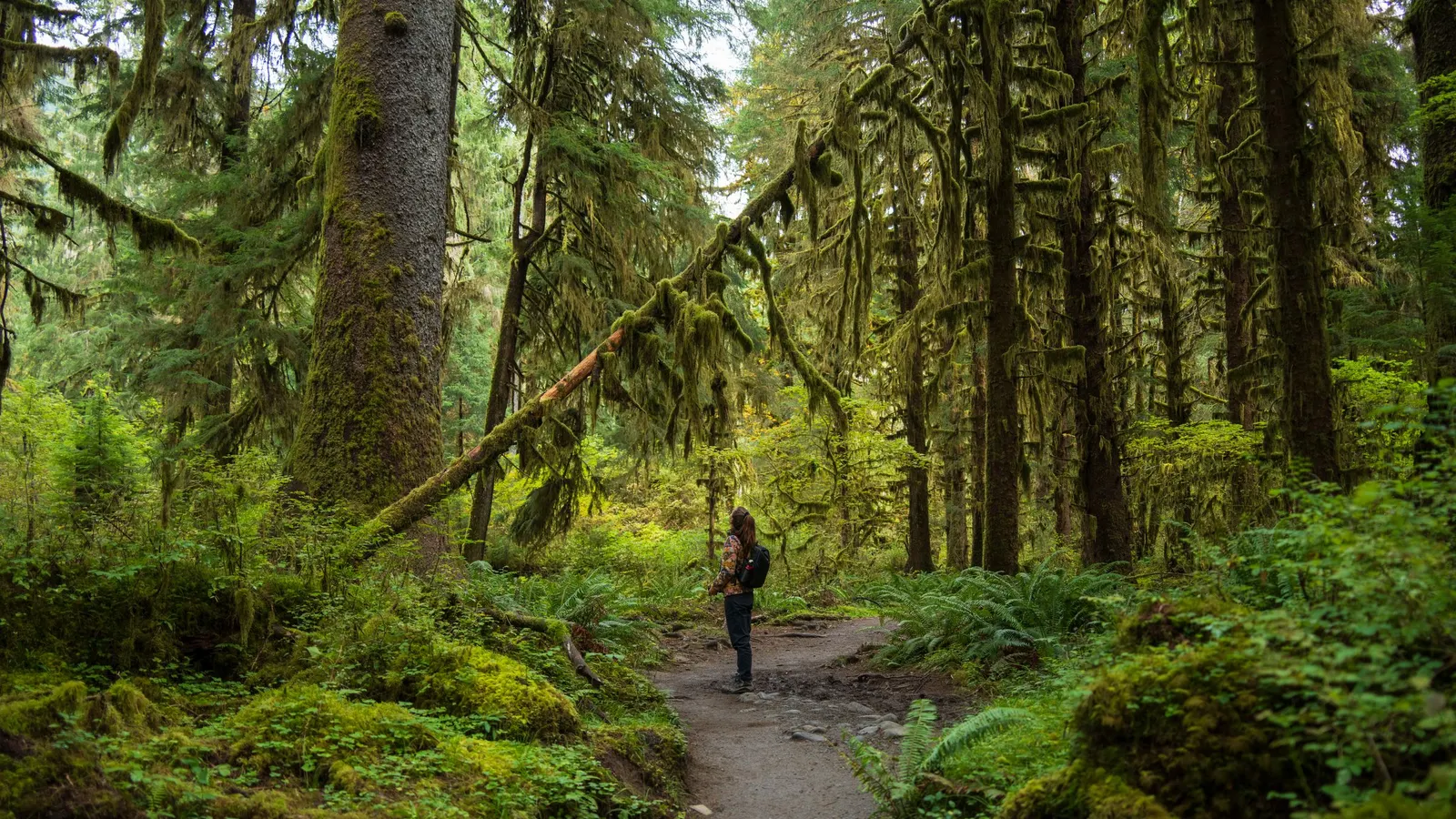
The Hoh Rainforest campground puts you among moss-draped maples, giant spruce and the sound of the Hoh River, in one of the few temperate rain forests in the United States. It is one of the most memorable places to camp in the country. However, Olympic National Park camping has real limits for RVs, especially on length. This guide covers the Hoh Rainforest campground in detail, then compares every Olympic campground using official National Park Service data, so you can plan the right stay for your rig.
Last reviewed and updated: September 30, 2026. Written by Jeremy Jarvis.
Key takeaways
- The Hoh Campground lists 78 sites at $24 a night; most sites take RVs and trailers up to 21 feet, with a few up to 35 feet.
- Across Olympic National Park, 21 feet is the typical RV and trailer limit, so smaller rigs have far more choice.
- The Hoh has no dump station or cell reception in NPS data; Kalaloch and Mora list year-round dump stations.
- Several Olympic campgrounds are first-come, first-served or seasonal, and some roads prohibit RVs entirely.
Hoh Rainforest campground at a glance
National Park Service data lists the Hoh Campground with 78 sites and a nightly fee of $24. The NPS describes it as surrounded by moss and ancient trees, with summer ranger programs and some riverside campsites along the Hoh River.
- Sites: 78.
- Listed fee: $24 per night.
- RV fit: RVs and vehicles with trailers up to 21 feet, with a few sites for up to 35 feet.
- Hookups: none listed.
- Dump station: none listed.
- Cell reception: none listed.
- Fires: allowed in designated fire grates; check for fire bans in dry conditions.
In short, the Hoh Rainforest campground suits tents, vans and smaller RVs best. Larger rigs need one of the few longer sites, and everyone needs to arrive self-contained.
Will your RV fit at the Hoh?
The key number is 21 feet. The NPS says Hoh campsites can accommodate RVs and vehicles with trailers up to 21 feet, with only a few sites for up to 35 feet. For a trailer, that length includes your tow vehicle in practice, so a 21-foot limit rules out most travel trailers once the truck is counted. Therefore, if your rig is longer than about 21 feet, check individual site lengths on Recreation.gov before you go, and have a backup plan. For help measuring your rig, see our guide to national park RV length limits.
Booking the Hoh Rainforest campground
The NPS listing for the Hoh describes reservations in summer and first-come, first-served camping for the rest of the year. However, the listing’s reservation text still references an older season, so do not rely on the exact dates it shows. Instead, check the Hoh Campground page on Recreation.gov for current reservation dates, and look at the park’s campground status page before you drive. Outside the reservation season, arrive early in the day for the best chance at a site, especially on weekends.
Olympic National Park camping compared
Olympic National Park is huge and spread across mountains, rain forest valleys and wild coastline. As a result, its campgrounds feel very different from one another. The table lists each campground as it appears in NPS data on September 30, 2026.
| Campground | Area | Sites | Listed fee | RV notes | Booking |
|---|---|---|---|---|---|
| Kalaloch | Coast | 170 | $24 | 21 ft typical, a few to 35 ft; dump station | Reservations in peak season |
| Heart O’ the Hills | Hurricane Ridge road | 97 | $24 | 21 ft typical, a few to 35 ft | First come, first served |
| Mora | Coast near Rialto Beach | 94 | $24 | 21 ft typical, some to 35 ft; dump station | Reservable in peak season |
| Fairholme | Lake Crescent | 88 | $24 | 21 ft maximum | Reservation only (seasonal) |
| Hoh | Hoh Rain Forest | 78 | $24 | 21 ft typical, a few to 35 ft | Reservations in summer |
| South Beach | Coast | 55 | $15 | No RV limit listed | First come, first served (seasonal) |
| Staircase | Skokomish River | 49 | $20 | No RV limit listed | Seasonal reservations |
| Graves Creek | Quinault Rain Forest | 30 | $20 | RVs and trailers prohibited on the road | First come, first served |
| Queets | Queets River | 20 | $15 | No RV limit listed | First come, first served |
| Ozette | Lake Ozette | 15 | $20 | 21 ft maximum; listed as closed due to flooding | First come, first served |
| Deer Park | High country | 14 | $15 | RVs and trailers prohibited on the road | First come, first served |
| North Fork | Quinault | 9 | $20 | Large RVs not recommended; tent camping only | First come, first served |
For many RVers, Kalaloch and Mora on the coast, Heart O’ the Hills near Port Angeles and the Hoh Rainforest campground make up the core of an Olympic trip.
The 21-foot rule across Olympic National Park
If there is one thing to remember about Olympic National Park camping with an RV, it is that 21 feet is the typical limit. Hoh, Heart O’ the Hills, Mora and Kalaloch all list sites for RVs and trailers up to 21 feet, with only a few or some sites up to 35 feet. Fairholme and Ozette list a firm 21-foot maximum. Consequently, a small motorhome, camper van or truck camper opens up almost the whole park, while a long fifth wheel limits you to a handful of sites.
If your rig is large, consider basing yourself at a private RV park or a national forest campground near the park and exploring by tow vehicle. Our RV Campground Finder lists federal campgrounds in Washington by rig length.
Dump stations, water and supplies
Because the Hoh lists no dump station, plan your tanks carefully. NPS data lists year-round dump stations at Kalaloch and Mora and a seasonal one at Fairholme. Therefore, many RVers dump and fill at one of those campgrounds before heading into the Hoh valley. In addition, carry drinking water and supplies, because services in the rain forest valleys are limited. Our guide to choosing an RV water filter covers filling up safely.
Roads where RVs are prohibited
Some Olympic campgrounds are simply off-limits to RVs because of their access roads. The NPS says RVs and trailers are prohibited on Graves Creek Road and on Deer Park Road, which it describes as steep and winding gravel. North Fork is reached by a gravel road where large RVs are not recommended. So check the access road, not just the campground, before you plan a route.
Closures and seasonal campgrounds
Olympic’s coastal and mountain weather causes frequent closures. In NPS data, Ozette is listed as currently closed due to flooding, and Fairholme and South Beach are listed as closed for the winter from late September 2026. Staircase notes that toilets and potable water are shut off around mid-October as it is winterized. Heart O’ the Hills is open year-round but becomes walk-in only during heavy snowfall. Because conditions change quickly, check the park’s campground status page before every trip.
Rain forest weather and camping tips
The Hoh is a rain forest, so expect rain, often for days at a time, especially outside summer. Pack waterproof layers, use an awning or tarp for outdoor living space, and bring a way to dry gear. Damp conditions also drain batteries faster when you run fans and lights inside, so plan power carefully. Our portable power station guide helps you size a backup. Finally, keep food stored securely; the park has bears and other wildlife.
A sample Olympic National Park camping loop
Because Olympic’s highlights are spread around the peninsula, many RVers plan a loop. For example, start near Port Angeles at Heart O’ the Hills, then drive west past Lake Crescent and Fairholme. Next, spend a night or two at the Hoh Rainforest campground, then continue to the coast at Kalaloch or Mora for beaches and tide pools. Use our RV Travel-Day Planner to keep each drive short enough to arrive in daylight, which matters on narrow, forested roads.
Hoh Rainforest campground: what to do nearby
Most visitors come to the Hoh for the forest itself, and the campground makes it easy to explore on foot. For example, short nature trails near the visitor center lead through moss-covered maples and towering spruce, while the longer river trail follows the Hoh River upstream. Because the campground sits close to these trails, you can walk them early in the morning or in the evening, when day visitors have left. In addition, summer ranger programs are listed at the campground, which are a great way to learn about the rain forest ecosystem.
Wildlife is part of the experience too. Elk often graze in the valley, so give them plenty of space, especially in fall. Likewise, keep food stored securely at all times, because bears and other animals live in the area.
Olympic National Park camping by region
Olympic National Park camping falls into four broad regions, and each offers a different experience. So it helps to plan which ones fit your trip.
Rain forest valleys
The Hoh, Queets and Quinault valleys on the west side receive heavy rainfall, which produces the famous temperate rain forests. The Hoh Rainforest campground is the most accessible for RVs, while Graves Creek and North Fork are off-limits or unsuitable for larger rigs.
Pacific coast
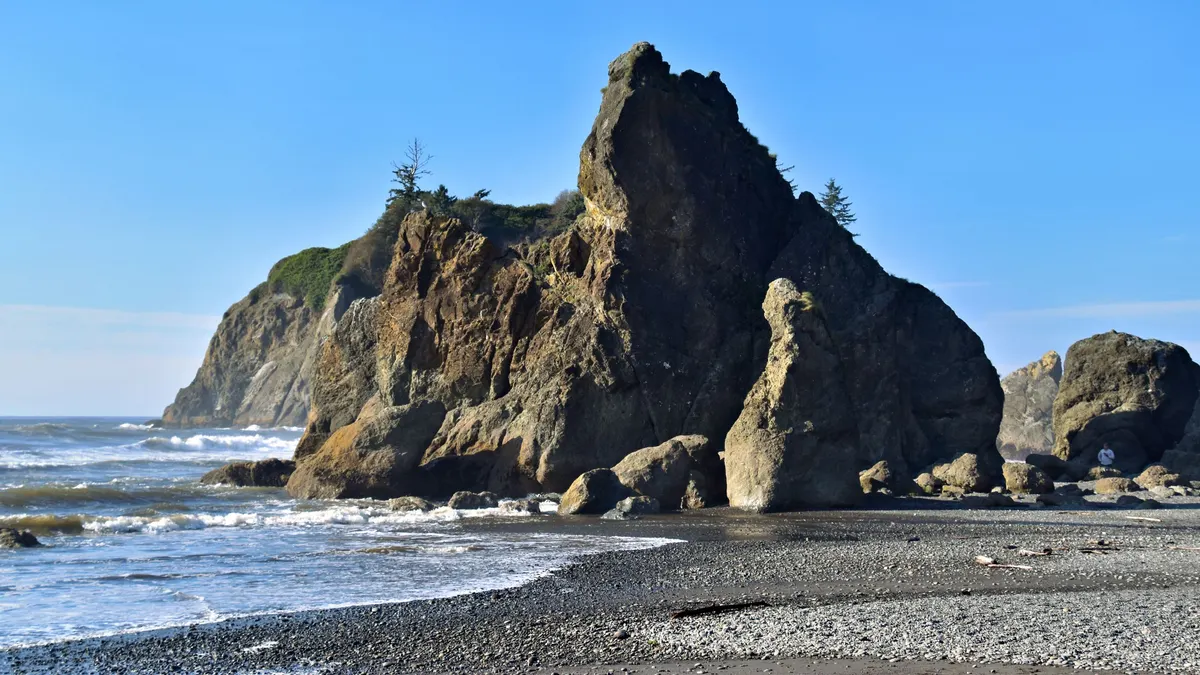
Kalaloch, Mora and South Beach put you near wild Pacific beaches with sea stacks and tide pools. Kalaloch and Mora also list year-round dump stations, which makes them practical bases for RVers. However, coastal weather is often foggy, windy and wet, even in summer.
Lakes
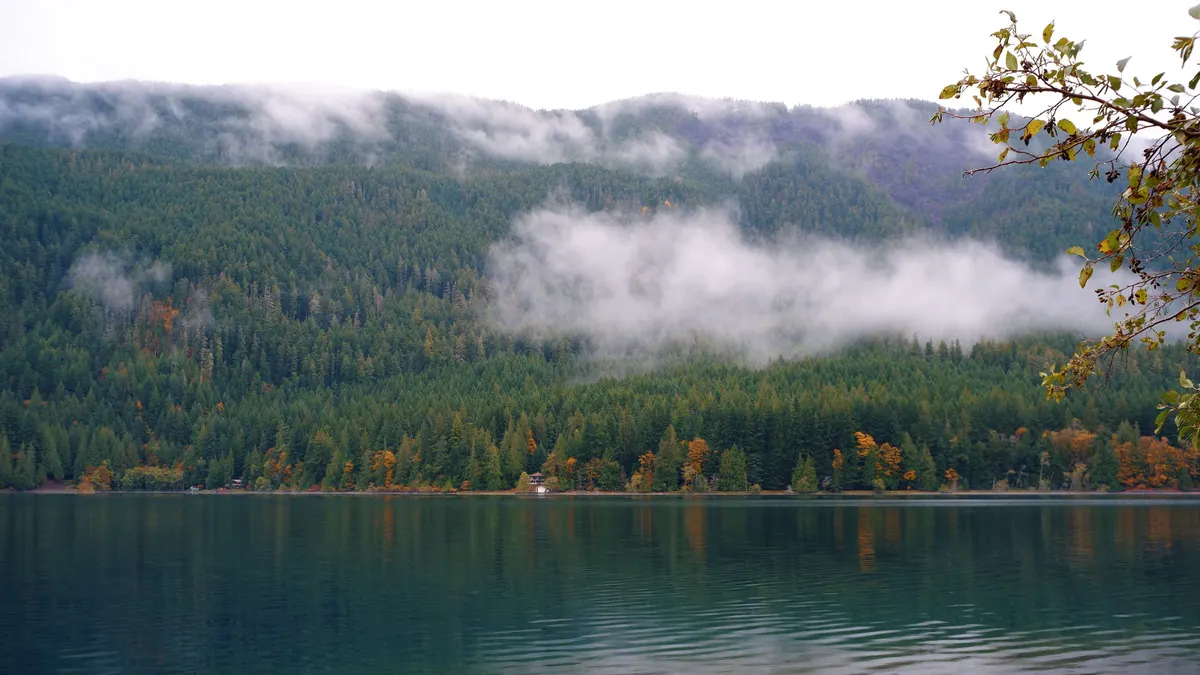
Fairholme sits on Lake Crescent, and Ozette sits on Lake Ozette. Both list a 21-foot maximum, so they suit smaller rigs. Ozette is listed as closed due to flooding, so check its status before planning a visit.
Mountains
Heart O’ the Hills near Port Angeles is the base for the Hurricane Ridge road, while Deer Park, high on a steep gravel road, is closed to RVs. As a result, Heart O’ the Hills is the main option for RVers who want mountain views.
How much does Olympic National Park camping cost?
Olympic campground fees are modest. Most campgrounds, including the Hoh, list $24 a night, while smaller and more primitive campgrounds list $15 or $20. Consequently, a week of Olympic National Park camping can cost far less than a week at private RV parks, although you give up hookups. Remember to add your park entrance pass, fuel and any reservation fees. Our RV Trip Cost Calculator helps you build the full budget.
Packing for the Hoh Rainforest campground
- Waterproof jackets, rain pants and boots, because rain is likely at any time of year.
- A tarp or awning to create dry outdoor space.
- Extra towels and a way to dry clothes inside the RV.
- Headlamps, since the forest canopy makes evenings dark early.
- Fresh water, a full propane tank and charged batteries.
- Offline maps, because cell reception is not listed at the Hoh.
In short, plan to be self-sufficient. Services in the rain forest valleys are limited, and the nearest towns can be a long drive away.
Common Olympic National Park camping mistakes
- Bringing a rig that is too long. Most sites take 21 feet; only a few take more.
- Trusting old season dates. Some NPS listings still mention past seasons, so confirm current dates on Recreation.gov.
- Skipping the dump station. The Hoh has none, so dump at Kalaloch, Mora or Fairholme first.
- Planning a tight loop. Distances around the peninsula are long, so allow extra time for each drive.
Best time to camp at the Hoh Rainforest
Summer is the most popular time to visit, because it is the driest and warmest part of the year on the Olympic Peninsula. As a result, summer is also when the Hoh Rainforest campground is busiest and when the NPS describes it as reservable. Spring brings fresh green growth and fewer visitors, although rain is frequent. Fall offers colorful maples, active elk and quieter trails, but storms become more common as the season goes on. Winter is the wettest season; nevertheless, the forest is at its most lush, and the campground is first-come, first-served outside the reservation period. In short, there is no bad season for the scenery, only for staying dry.
Options for bigger rigs near Olympic National Park
If your RV is too long for the Hoh’s 21-foot sites, you can still enjoy Olympic National Park camping. For example, look for the few longer sites at Kalaloch, Mora or Heart O’ the Hills, and book early. Alternatively, stay at a private RV park or a national forest campground outside the park, then visit the Hoh as a day trip in a tow vehicle. Our RV Campground Finder lists federal campgrounds in Washington by rig length, and the Campground Comparison Tool helps you weigh the extra driving against the nightly cost.
Amenities at the Hoh campground
The Hoh is a traditional national park campground rather than an RV resort. NPS data lists no hookups, dump station, showers or cell reception. On the other hand, it offers riverside sites, summer ranger programs and immediate access to the rain forest trails, which is the reason most people come. Therefore, think of it as a place to immerse yourself in the forest, and plan your utilities around a stop at one of the coastal campgrounds before or after your stay.
Hoh Rainforest campground checklist
- Measure your rig; 21 feet is the key number for most sites.
- Check Recreation.gov for current reservation dates.
- Check the park’s campground status page for closures.
- Dump and fill water at Kalaloch, Mora or Fairholme first.
- Pack rain gear and plan power for damp, dark days.
- Download offline maps; cell reception is not listed at the Hoh.
- Bring an entrance pass for Olympic National Park.
The Hoh Rainforest campground rewards small rigs and careful planning with one of the most unusual camping experiences in North America. For more national park guides, see our Yellowstone campgrounds guide and the Campgrounds & Routes hub.
Frequently asked questions about the Hoh Rainforest campground
Can you take an RV to the Hoh Rainforest campground?
Yes, if it is small enough. The NPS lists Hoh campsites as accommodating RVs and vehicles with trailers up to 21 feet, with a few sites for up to 35 feet. There are no hookups listed.
Do you need reservations for the Hoh campground?
The NPS listing describes reservations in summer and first-come, first-served camping the rest of the year. Its text still references an older season, so check Recreation.gov for the current reservation dates before you go.
How much does the Hoh Rainforest campground cost?
The NPS lists the Hoh Campground fee as $24 per night. An entrance pass for Olympic National Park is separate.
Is there a dump station at the Hoh campground?
No. NPS data lists no dump station at the Hoh. Kalaloch and Mora campgrounds list year-round dump stations.
Which Olympic National Park campgrounds take larger RVs?
Most Olympic campgrounds list a typical 21-foot limit, with a few sites up to 35 feet at Hoh, Heart O’ the Hills, Mora and Kalaloch. Fairholme and Ozette list a 21-foot maximum.
Sources and how we researched this guide
This guide is built from official National Park Service data. Campground details, RV notes, listed fees and booking rules come from the NPS campground API and Olympic National Park’s camping pages, retrieved on September 30, 2026. Some NPS listings still reference past seasons, so we flag those and recommend confirming dates on Recreation.gov. We did not visit these campgrounds. Found something out of date? Tell us and we will check it against the source.
- National Park Service: Olympic camping
- National Park Service API: campground data
- Recreation.gov: reserve federal campsites
- National Park Service: camping
Keep planning
- Grand Canyon Campgrounds for RVs: Mather, Desert View, and Current Water Restrictions
- Zion Campgrounds for RVs: Watchman, South, and the Large-Vehicle Rules
- Camping in the Smoky Mountains: Every Park Campground for RVs and Tents
- Yellowstone Campgrounds for RVs: Length Limits, Hookups, Fees, and Reservations
Go deeper: Campgrounds & Routes hub · RV Campground Finder and Length Checker · RV Trip Cost Calculator

Written by Jeremy Jarvis
Jeremy Jarvis is the founder and editor of Freedom Road Living, where he builds research-based guides and free planning tools for people who live, work and travel in an RV. He sets the site's editorial standards, checks every guide against official sources such as the National Park Service and manufacturer documentation, and is responsible for corrections. Jeremy also founded Eco Nomad Travel, Mind Clarity Hub, SilkHarborTravel and WanderOza Travel, and he is the author of books on clarity, focus and practical AI, including The Power of Clarity and Digital Clarity.