
Camping in the Smoky Mountains: Every Park Campground for RVs and Tents
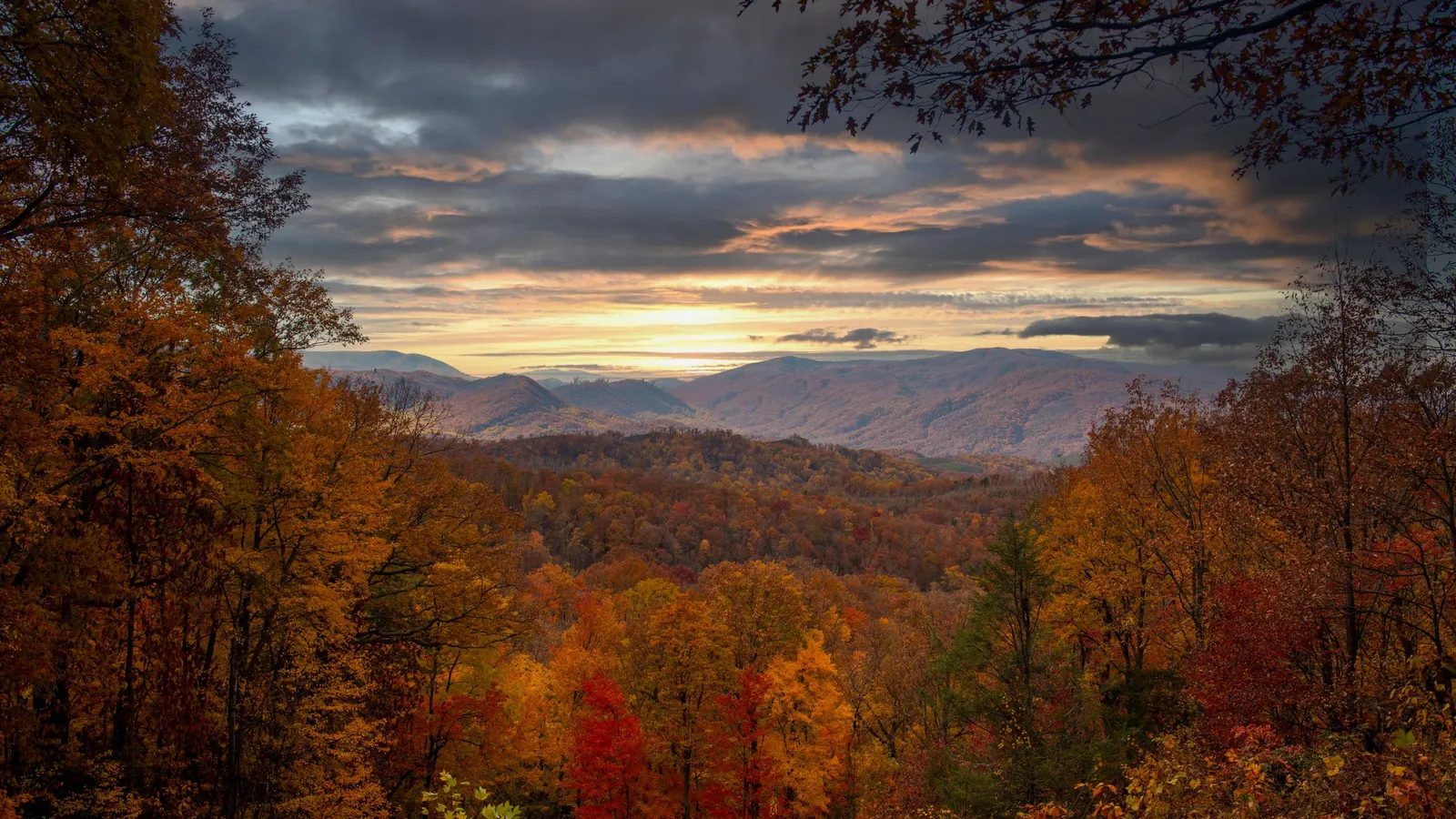
Camping in the Smoky Mountains means misty ridges, rushing streams and some of the richest forests in the eastern United States, all within a day’s drive of millions of people. Great Smoky Mountains National Park has campgrounds for every style, from paved RV loops to remote tent-only sites. This guide compares all of the Smoky Mountain campgrounds using official National Park Service data, so you can match your rig, your season and your plans to the right campground.
Last reviewed and updated: September 30, 2026. Written by Jeremy Jarvis.
Key takeaways
- Great Smoky Mountains National Park lists 13 campgrounds, and the NPS says campsite reservations are required.
- Smokemont and Cades Cove list the longest limits: 40-foot RVs and 35-foot trailers, with paved roads and driveways.
- Look Rock is the only campground listed with electric sites; site lengths there range from 13 to 48 feet.
- No park campground lists showers or cell reception, so plan for dry camping and offline navigation.
Smoky Mountain campgrounds at a glance
The table lists each campground as it appears in National Park Service data on September 30, 2026. Fees are the listed nightly prices for a standard site. Length limits are the posted maximums; individual sites vary, so check site details on Recreation.gov.
| Campground | Sites | Max RV | Max trailer | Listed fee | Dump station |
|---|---|---|---|---|---|
| Elkmont | 211 | 35 ft | 32 ft | $30 | No (nearest at Sugarlands) |
| Cades Cove | 161 | 40 ft | 35 ft | $30 | Yes, year-round |
| Cosby | 157 | 25 ft | 25 ft | $30 | Yes, seasonal |
| Smokemont | 142 | 40 ft | 35 ft | $30 | Yes, year-round |
| Deep Creek | 92 | 26 ft | 26 ft | $30 | Yes, seasonal |
| Look Rock | 68 | 13 to 48 ft by site | By site | $30, or $36 electric | Yes, seasonal |
| Balsam Mountain | 43 | 24 ft | 24 ft | $30 | No |
| Cataloochee | 27 | 31 ft | 31 ft | $30 | No |
| Abrams Creek | 16 | Not recommended | 12 ft | $30 | No |
| Big Creek | 12 | Tent only | Tent only | $30 | No |
The park also lists group campgrounds at Elkmont, Cades Cove and Smokemont. In short, Smokemont and Cades Cove are the best fit for longer rigs, while several smaller campgrounds suit only compact RVs or tents.
RV and trailer limits in Smoky Mountain campgrounds
Many park roads are narrow and winding, so length matters. Here is what the NPS lists for RV access.
- Smokemont and Cades Cove: 40-foot RVs and 35-foot trailers, with paved campground roads and paved site driveways.
- Elkmont: 35-foot RVs and 32-foot trailers, paved roads and driveways, but no dump station on site.
- Cataloochee: 31 feet, reached by a gravel approach road with gravel driveways.
- Deep Creek: 26 feet, with paved site driveways.
- Cosby: 25 feet.
- Balsam Mountain: 24 feet.
- Abrams Creek: RVs and trailers are allowed but not recommended because of the winding, narrow approach road; the trailer limit is 12 feet.
- Big Creek: tent-only.
- Look Rock: maximum RV lengths vary from 13 to 48 feet depending on the campsite.
For trailers, remember to consider the tow vehicle, and check whether a site is back-in or pull-through. Our guide to national park RV length limits explains how to measure your rig.

Free download: The Full-Time RV Launch Checklist
Our 16-page planner: a 12-month countdown, inspection checklist, budget and weights worksheets and a maintenance calendar. Free and printable.
Year-round camping in the Smoky Mountains
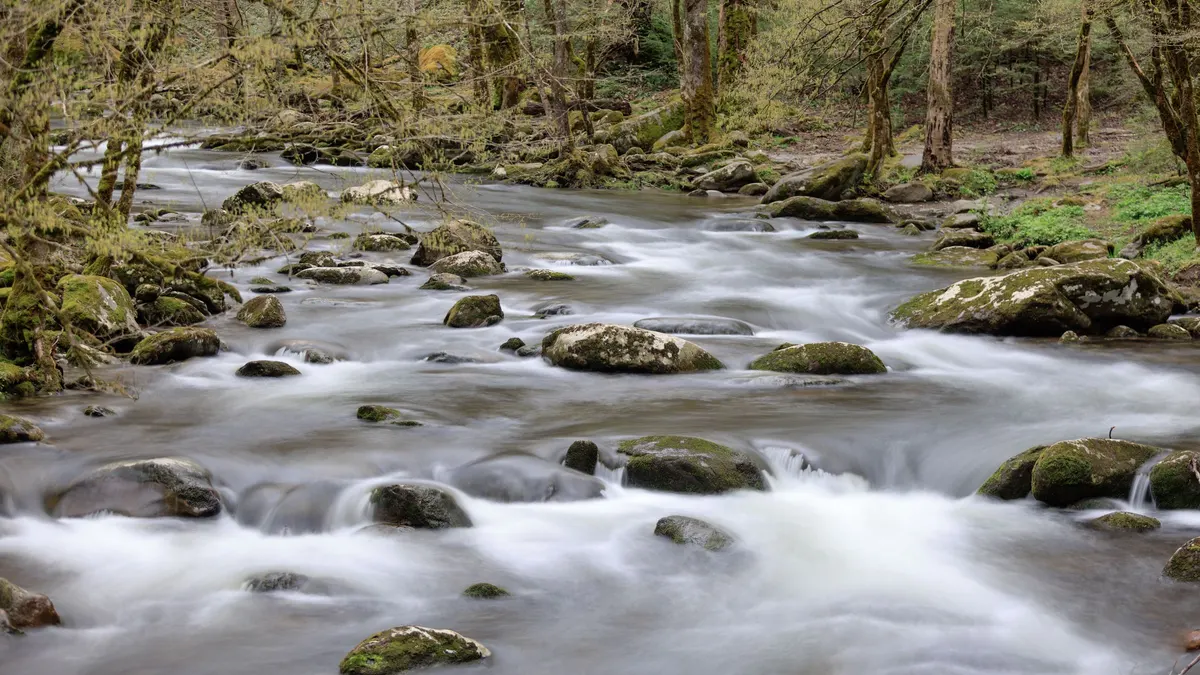
Unlike many mountain parks, the Smokies offer some winter camping. NPS data describes Smokemont and Cades Cove as open year-round, although some loops close seasonally. For example, Smokemont’s Loops A and B are listed as open year-round, while other loops open only in the warmer months. At Cades Cove, the NPS notes that only certain sites remain open in winter.
Most other campgrounds close in late October or November and reopen in spring. For instance, Elkmont is listed as closed from late November 2026 to early April 2027, and Cosby, Deep Creek, Cataloochee, Big Creek and Look Rock close in late October. So if you plan off-season camping in the Smoky Mountains, focus on Smokemont and Cades Cove.
Hookups, water and dump stations at Smoky Mountain campgrounds
Most Smoky Mountain campgrounds offer flush toilets and drinking water, but very few have hookups. Look Rock is the only campground listed with electric sites, 10 of them, at a listed fee of $36. Everywhere else, plan to dry camp. The NPS lists no showers at any park campground, and no cell phone reception either.
Dump stations are listed year-round at Smokemont and Cades Cove and seasonally at Cosby, Deep Creek and Look Rock. Elkmont has none on site; the NPS says the closest is six miles away at Sugarlands Visitor Center. Therefore, arrive with full fresh water and empty tanks, and plan power for several days. Our RV water filter guide covers filling up safely, and our portable power station guide covers power without hookups.
Reservations for camping in the Smoky Mountains
The NPS says campsite reservations are required and may be made up to six months in advance, or up to twelve months in advance for group campgrounds. Reservations are made through Recreation.gov. Because the park is close to major population centers, popular campgrounds can fill quickly on summer weekends and during fall color season. So book as soon as your window opens, and keep checking for cancellations if your first choice is full.
Smoky Mountain campground profiles by district
Cades Cove (Tennessee side)
Cades Cove sits at 1,807 feet near the famous valley loop road, with a camp store and bike rentals listed nearby. It combines a primitive feel with flush toilets and drinking water, and it is one of the two best options for longer RVs.
Elkmont (Tennessee side)
Elkmont, at 2,150 feet, is the park’s largest campground and the closest family campground to Sugarlands Visitor Center. It works well for rigs up to 35 feet, but remember to dump before you arrive.
Smokemont (North Carolina side)
Smokemont sits at 2,198 feet and is the closest family campground to Oconaluftee Visitor Center. It is open year-round in some loops and is one of the two campgrounds with 40-foot RV limits.
Cosby, Deep Creek and Look Rock: smaller Smoky Mountain campgrounds
Cosby, tucked under a forest canopy at 2,459 feet, suits rigs up to 25 feet. Deep Creek, beside one of the park’s most popular creeks, suits rigs up to 26 feet. Look Rock, on the Foothills Parkway West, offers the only electric sites and a wide range of site lengths.
Cataloochee and Balsam Mountain
Cataloochee lies in a historic valley reached by a gravel road, while Balsam Mountain sits at 5,310 feet, where the NPS says summer daytime temperatures rarely exceed 70 degrees Fahrenheit. Both suit smaller rigs and campers looking for quieter corners of the park.
Weather and elevation for camping in the Smoky Mountains
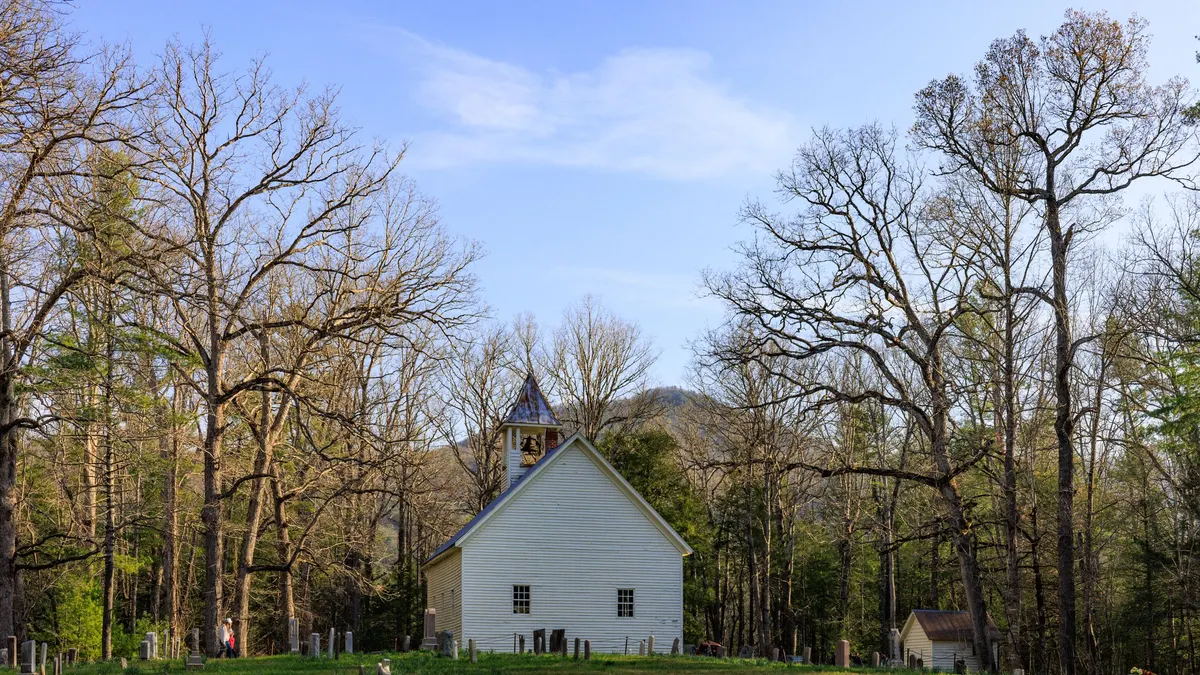
Most campgrounds sit between about 1,100 and 2,600 feet, where winters are mild and summers are hot and humid. Balsam Mountain is the exception, at over 5,000 feet, with much cooler summers. Rain is common in every season, so pack rain gear and plan for wet ground at your campsite. In addition, fall color season brings cool nights and heavy visitation.
Firewood and campfire rules in the Smoky Mountains
The NPS says fires are permitted only in the established fire rings at each campsite. For group campgrounds, the park notes that only heat-treated firewood in its original packaging, bearing a certification from the USDA or a state agency, may be brought in. That rule helps prevent the spread of forest pests. So buy certified firewood rather than bringing wood from home, and check for any fire restrictions when you arrive.
Which Smoky Mountain campground is right for you?
Because the park spans two states and several distinct districts, the right campground depends on what you want to see. So start with your rig, then choose by area.
For big rigs
If your RV is between 36 and 40 feet, Smokemont and Cades Cove are realistically your only park options, and even then you should check the individual site lengths. In addition, both have paved roads and driveways, which makes maneuvering easier. Look Rock lists some sites up to 48 feet, but lengths vary widely by site, so confirm before you book.
For first-time visitors
Cades Cove and Elkmont put you close to the park’s best-known sights on the Tennessee side. Meanwhile, Smokemont places you near the Oconaluftee Visitor Center on the North Carolina side. As a result, many visitors split a trip between one campground on each side of the park.
For quiet and cooler weather
Balsam Mountain, Cataloochee and Cosby are smaller and generally quieter. Balsam Mountain in particular offers relief from summer heat, because of its high elevation. However, all three have shorter length limits, so they suit vans, truck campers and small trailers best.
Planning a Smoky Mountains camping trip by season
Each season changes the experience. In spring, wildflowers bloom and streams run high, although some campgrounds are still closed until mid-spring. Summer brings every campground into operation, but the lower campgrounds are hot and humid, and weekends are busy. Next comes fall, when cooler air and autumn color draw large crowds, so book as early as your window allows. Winter, by contrast, leaves only parts of Smokemont and Cades Cove open, and some roads close in bad weather. Therefore, check the park’s road and campground status before any off-season trip.
What does camping in the Smoky Mountains cost?
Most park campgrounds list a $30 standard nightly fee, which keeps budgeting simple. For example, four nights at Cades Cove at the listed $30 fee comes to $120, plus any reservation fees. Look Rock’s electric sites are listed at $36 a night. On the other hand, private campgrounds in gateway towns usually cost more but include full hookups and showers. To compare options side by side, try our Campground Comparison Tool, and total the whole trip with the RV Trip Cost Calculator.
Driving an RV in the Smoky Mountains
Many park roads are narrow, winding and steep, and some are unpaved. For that reason, the NPS warns that RVs and trailers are not recommended on the approach to Abrams Creek, and Cataloochee is reached by a gravel road. In addition, traffic can slow to a crawl on popular loops, especially in fall. So plan shorter driving days, use pullouts to let traffic pass, and consider exploring narrow roads in a smaller vehicle. Our RV Travel-Day Planner helps you arrive at camp in daylight.
Common mistakes at Smoky Mountain campgrounds
- Arriving without a reservation. The NPS says reservations are required.
- Forgetting the dump station. Elkmont has none on site.
- Relying on your phone. Cell reception is not listed at park campgrounds.
- Bringing firewood from home. Buy certified, heat-treated firewood instead.
- Choosing by name, not length. Several campgrounds cap rigs at 24 to 26 feet.
Bears, wildlife and food storage in the Smoky Mountains
The Smokies are home to black bears, and campground rules are designed to keep both people and bears safe. Therefore, store all food, coolers, cooking gear and scented items inside your RV or a hard-sided vehicle whenever you are not using them. Never leave food on a picnic table, and dispose of trash in the bear-resistant containers provided. In addition, give wildlife plenty of space and never feed animals, because bears that learn to associate people with food often have to be removed.
Tips for families camping in the Smoky Mountains
Many Smoky Mountain campgrounds work well for families, especially the larger ones with flush toilets, drinking water and nearby creeks. For example, Cades Cove’s camp store and bike rentals make it easy to fill a day without driving. Likewise, ranger programs in season are a great way for children to learn about the park. However, creeks can rise quickly after rain and rocks are slippery, so supervise children near water. Finally, pack rain gear and indoor activities, because wet days are common.
Making the most of a Smoky Mountain campground stay
Because most park campgrounds are dry camping, a little preparation makes the stay more comfortable. First, arrive with full fresh water and empty tanks. Second, bring a way to recharge batteries, such as solar or a portable power station, especially if you need fans in summer. Third, download offline maps and trail information before you lose signal. As a result, you can spend your time exploring rather than searching for services.
Packing list for camping in the Smoky Mountains
- Rain jackets, a tarp or awning, and extra towels, because rain is common in every season.
- Fans or a way to stay cool for humid summer nights at low elevation.
- Warm layers for Balsam Mountain or shoulder-season trips.
- Full fresh water and a portable water container.
- Certified, heat-treated firewood bought locally.
- Offline maps, trail guides and printed reservations.
- Leveling blocks and wheel chocks for sloped sites.
In addition, bring a small first-aid kit and insect repellent. Ticks and mosquitoes are common in warm months, so check for ticks after hikes.
Gateway towns and services near the park
Because park campgrounds offer few services, many RVers rely on nearby towns for fuel, groceries, laundry and dump stations. On the Tennessee side, gateway towns near Sugarlands and Cades Cove offer a wide range of services. Similarly, North Carolina gateways near Oconaluftee and Deep Creek provide supplies for the eastern side of the park. As a result, it is easy to restock between park stays, but traffic in peak season can make short trips slow. So plan shopping runs early in the day.
If Smoky Mountain campgrounds are full
If the park campgrounds are full, look at nearby national forest campgrounds and private RV parks in gateway towns, which often have full hookups. Use our RV Campground Finder to list federal campgrounds in Tennessee and North Carolina by rig length, then compare total costs, including the drive into the park, with the Campground Comparison Tool.
Camping in the Smoky Mountains checklist
- Measure your rig and match it to each campground’s RV and trailer limits.
- Reserve on Recreation.gov as soon as your six-month window opens.
- Check the season dates and which loops are open.
- Arrive with full fresh water and empty tanks.
- Plan power for dry camping, or book Look Rock for electric.
- Download offline maps, since cell reception is not listed at park campgrounds.
- Buy certified firewood locally.
With the right campground and a reservation in hand, camping in the Smoky Mountains is one of the great RV trips in the East. For another lakeshore park, see our guide to Sleeping Bear Dunes camping.
Frequently asked questions about camping in the Smoky Mountains
Which Smoky Mountain campgrounds take big RVs?
In NPS data, Smokemont and Cades Cove list the longest limits, 40 feet for RVs and 35 feet for trailers, with paved roads and site driveways. Elkmont lists 35 feet for RVs and 32 feet for trailers, and Look Rock lists site lengths from 13 to 48 feet.
Do you need reservations to camp in the Smoky Mountains?
Yes. The NPS says campsite reservations are required at the park’s campgrounds and may be made up to six months in advance, or up to twelve months in advance for group campgrounds.
Are there RV hookups in Great Smoky Mountains National Park?
Only limited electric hookups. Look Rock Campground is listed with 10 electric sites. The other campgrounds are listed without electrical hookups, so most camping in the Smoky Mountains is dry camping.
Which Smoky Mountain campgrounds are open in winter?
NPS data describes Smokemont and Cades Cove as open year-round, with some loops closing seasonally. Most other campgrounds close in the fall and reopen in spring.
Is there a dump station at Elkmont Campground?
No. The NPS says Elkmont has no dump station on site and that the closest is six miles away at Sugarlands Visitor Center.
Sources and how we researched this guide
This guide is built from official National Park Service data. Campground details, RV and trailer limits, listed fees, seasons and reservation rules come from the NPS campground API and the park’s pages, retrieved on September 30, 2026. We did not visit these campgrounds. Fees and seasons change, so confirm on Recreation.gov and the park website before you book. Found something out of date? Tell us and we will check it against the source.
- National Park Service: Great Smoky Mountains camping
- National Park Service API: campground data
- Recreation.gov: reserve federal campsites
- National Park Service: camping
Keep planning
- Grand Canyon Campgrounds for RVs: Mather, Desert View, and Current Water Restrictions
- Zion Campgrounds for RVs: Watchman, South, and the Large-Vehicle Rules
- Hoh Rainforest Campground and Olympic National Park Camping for RVs
- Yellowstone Campgrounds for RVs: Length Limits, Hookups, Fees, and Reservations
Go deeper: Campgrounds & Routes hub · RV Campground Finder and Length Checker · RV Trip Cost Calculator

Written by Jeremy Jarvis
Jeremy Jarvis is the founder and editor of Freedom Road Living, where he builds research-based guides and free planning tools for people who live, work and travel in an RV. He sets the site's editorial standards, checks every guide against official sources such as the National Park Service and manufacturer documentation, and is responsible for corrections. Jeremy also founded Eco Nomad Travel, Mind Clarity Hub, SilkHarborTravel and WanderOza Travel, and he is the author of books on clarity, focus and practical AI, including The Power of Clarity and Digital Clarity.