
RV Water Filter Guide: Types, Certifications, and Setup at the Hookup
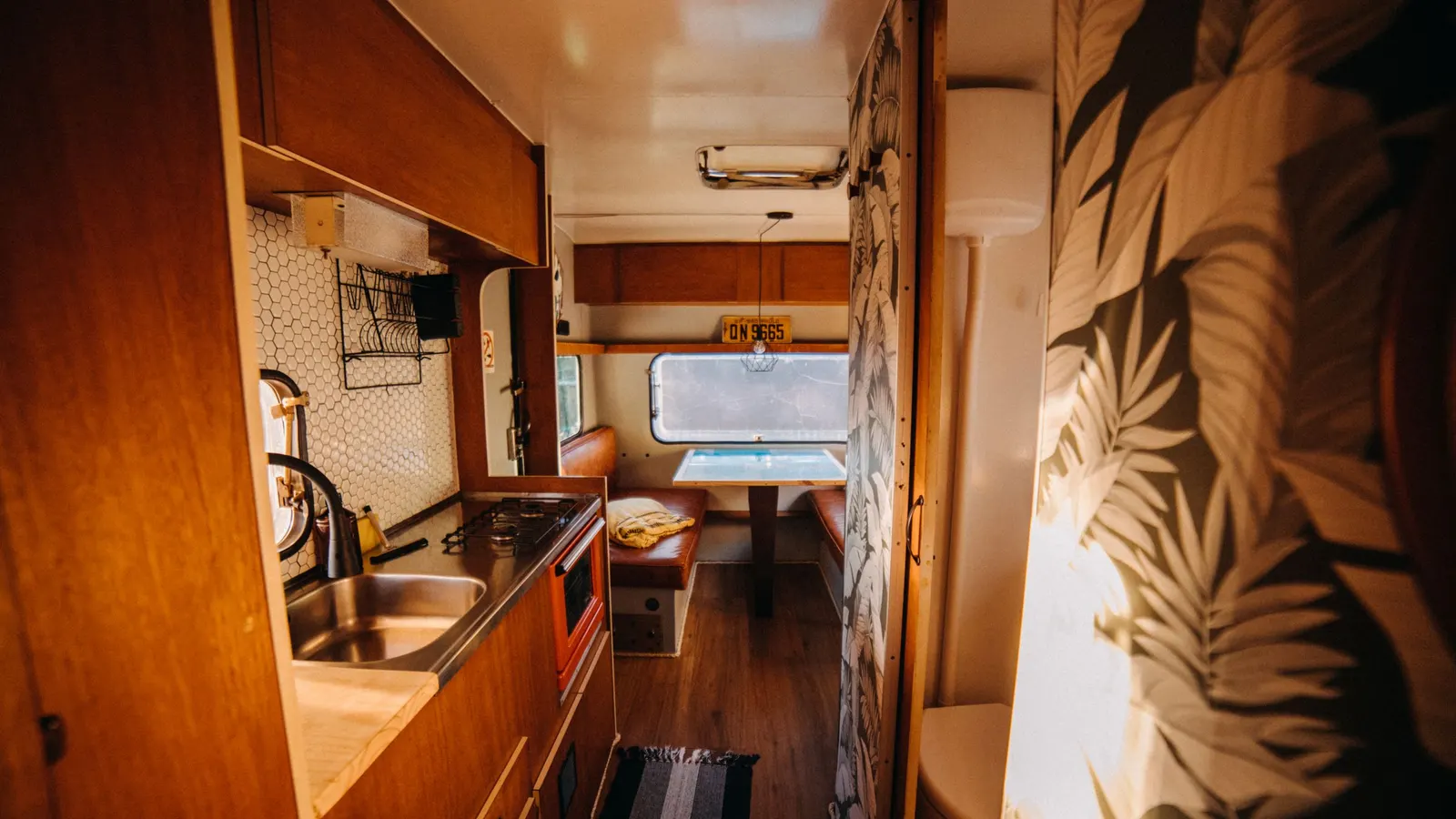
An RV water filter is one of the first pieces of gear most new RVers buy, and one of the most misunderstood. A filter can make campground water taste better and keep sediment out of your plumbing. However, it does not automatically make unsafe water safe. This guide explains what each type of RV water filter system does, how to read the certifications on the box, and how to set everything up at the hookup.
Last reviewed and updated: September 30, 2026. Written by Jeremy Jarvis.
Key takeaways
- An RV water filter mainly improves taste, odor and sediment; most basic inline filters are not certified to make unsafe water safe.
- Look for third-party certification marks on the packaging; the EPA points to NSF/ANSI 53 and 58 certifications for PFAS reduction.
- Canister systems with a sediment stage plus a carbon stage suit full-timers; a single inline filter suits weekend campers.
- Follow any local boil-water advisory regardless of your filter, and replace cartridges on the maker’s schedule.
Why use an RV water filter?
Every campground gets its water from somewhere different. Some use municipal supplies, others use wells, and water can taste of chlorine in one place and minerals or sulfur in the next. As a result, many RVers use a filter to keep the taste and smell consistent. In addition, sediment such as sand and rust can clog faucet aerators, damage valves and build up in your water heater. So an RV water filter protects both your drinking water and your plumbing.
There is also peace of mind. If you travel often, you rarely know the condition of a campground’s pipes or hoses. A good filter removes one variable from the trip.
What an RV water filter can and cannot do
This is the most important point in the whole guide. Most basic inline RV water filters are designed to improve taste and odor and to trap sediment. They typically use activated carbon, which, as the EPA explains, traps chemicals as water passes through. That makes water taste better. However, a taste-and-odor filter is not necessarily certified to reduce bacteria, viruses, lead or other health-related contaminants.
Therefore, match the filter to the job. If you only want better-tasting water, a carbon filter may be enough. If you are concerned about specific contaminants, look for a filter certified to reduce them. And whatever filter you use, follow any boil-water advisory from the campground or local authority, because a filter is not a substitute for official guidance.

Free download: The Full-Time RV Launch Checklist
Our 16-page planner: a 12-month countdown, inspection checklist, budget and weights worksheets and a maintenance calendar. Free and printable.
Types of RV water filter systems
RV water filtration comes in several forms. The table below compares the common ones.
| Type | How it works | Best for | Trade-offs |
|---|---|---|---|
| Inline hose filter | A single disposable carbon cartridge between the spigot and your hose | Weekend and occasional campers | Limited capacity; many are aimed at taste and odor only |
| Canister RV water filter system | One to three housings with replaceable cartridges, often sediment plus carbon | Full-timers and frequent travelers | Bulkier and more setup, but cartridges are cheaper to replace |
| Under-sink or countertop filter | A filter at the galley tap for drinking and cooking water | Better drinking water without filtering the whole RV | Only treats one tap; needs space and plumbing |
| Reverse osmosis | Forces water through a very thin barrier that separates many contaminants | Owners wanting the most thorough drinking-water treatment | Slower, produces waste water, and needs more space |
| Ultraviolet (UV) | Uses UV light to treat microorganisms, usually after other filters | Boondockers filling from uncertain sources | Needs power and clear, pre-filtered water to work well |
Most RVers start with an inline hose filter or a two-stage canister RV water filter system. Full-timers often add a separate drinking-water filter at the galley tap.
How to read RV water filter certifications
Marketing claims on filter boxes vary widely, so rely on independent certification. The EPA advises choosing filters certified by an accredited third-party certification body, and notes that the certifier’s mark will typically be on the packaging. For PFAS in particular, the EPA says to check for certification to NSF/ANSI 53 or NSF/ANSI 58, and to check the certification body’s online product directory if you are unsure.
In practice, that means a few habits when you shop:
- Look for a certification mark, not just the words “tested” or “meets standards.”
- Check which contaminants the product is certified to reduce, because certification is contaminant-specific.
- Confirm the certification applies to the exact model and cartridge you are buying.
- Note the rated capacity and replacement interval, since a filter only performs as certified within that capacity.
Choosing an RV water filter by camping style
The right RV water filter depends on how and where you camp.
Weekend and occasional campers
A single inline filter on the hose is simple and inexpensive. Replace it at the start of each season, or sooner if water flow drops. If you mainly camp at established campgrounds, this is often enough.
Full-timers and long stays
A two- or three-stage canister RV water filter system usually makes more sense. A sediment stage catches particles first, which protects the carbon stage behind it and makes it last longer. Replaceable cartridges also cost less over time than a new inline filter every few weeks.
Boondockers
If you fill your fresh tank from different sources, filter as you fill, and consider a separate drinking-water filter or UV stage for the water you drink. Our guide to free camping explains how to plan water when you camp without hookups.
Setting up your RV water filter at the hookup
A consistent setup order protects your plumbing and keeps filters working. Many RVers connect in this order.
- Pressure regulator at the spigot. Campground water pressure can be high, and a regulator protects everything downstream, including the filter housings and your RV’s plumbing.
- Filter next. Placing the filter before the hose keeps sediment out of the hose and the RV.
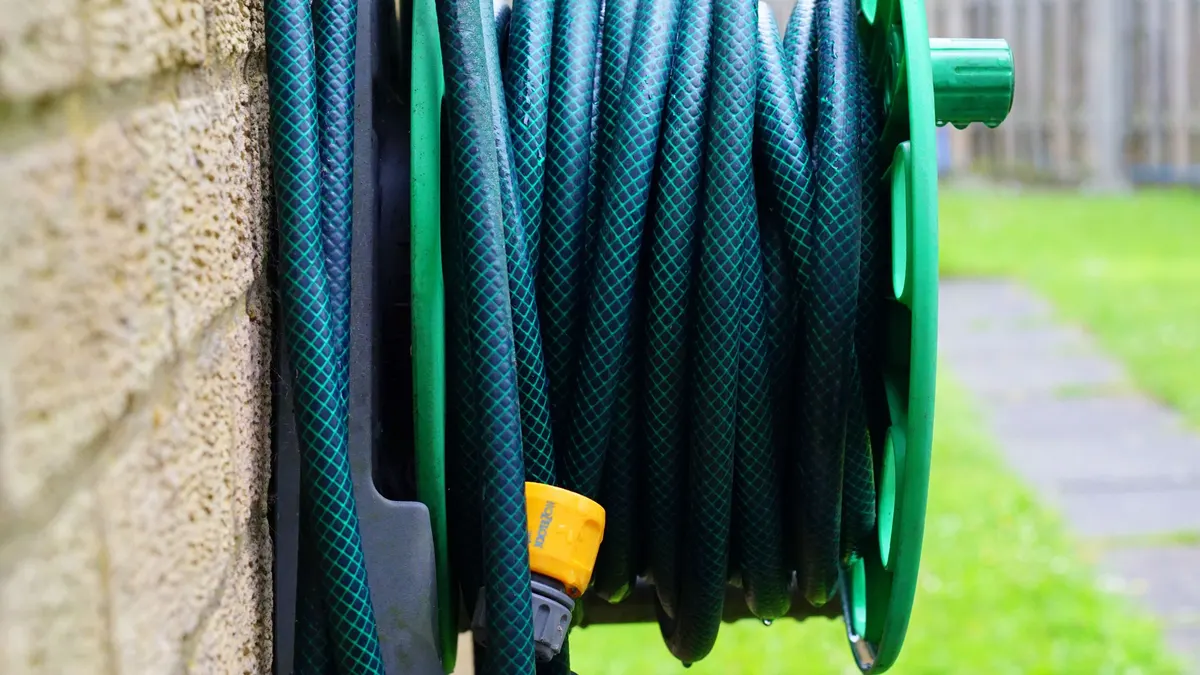
- Drinking-water hose to the RV. Use a hose labeled as safe for drinking water, and keep it only for fresh water.
Before connecting, run water through the spigot for a few seconds to flush out debris. Then, after connecting, open a cold faucet inside the RV to push air out of the lines. Finally, check every connection for drips.
Filling the fresh tank and boondocking
When you fill your fresh tank, filter the water on the way in, using the same filter or a dedicated fill filter. Keeping the tank clean matters too. Many RV owners sanitize the fresh water system periodically with a diluted chlorine solution, then flush it thoroughly, following their RV manufacturer’s instructions. For example, Suburban’s water heater guide describes chlorinating the water system to clear sulfur odors and then flushing until the chlorine smell is gone. Our guide to RV water heater repair covers that process.
Maintaining and winterizing your RV water filter
A neglected filter can do more harm than good. The CDC advises following the manufacturer’s instructions for maintaining and replacing home water filters, because filters that are not maintained can stop working properly. So:
- Replace cartridges on the maker’s schedule, based on gallons filtered or time in use.
- Replace them sooner if flow drops, taste returns or the cartridge looks discolored.
- Remove cartridges and drain housings before winterizing, so antifreeze does not pass through them.
- Store housings dry, and install fresh cartridges at the start of the next season.
- Write the installation date on each cartridge with a marker.
Water pressure regulators and your RV water filter system
A pressure regulator is the quiet partner of every RV water filter system. Campground water pressure varies, and a sudden surge can stress filter housings, hose fittings and the plumbing inside your RV. For that reason, most RVers screw a regulator onto the spigot before anything else.
There are two common styles. Simple preset regulators are small and inexpensive, but they cannot be adjusted. Adjustable regulators with a gauge let you see and set the pressure, which is useful because filters themselves reduce flow a little. If your shower feels weak after adding a filter, an adjustable regulator helps you find a balance. However, stay within the pressure range your RV manufacturer recommends, which you can usually find in the owner’s manual.
Hard water, scale and your water heater
Some regions have hard water, rich in minerals such as calcium. Over time, those minerals can leave scale on faucets and inside your water heater. A standard carbon RV water filter does not soften water, so it will not stop scale on its own. If you spend long periods in hard-water areas, you may notice more sediment when you flush the water heater. In that case, regular flushing becomes even more important, and some full-timers add a dedicated softening or scale-reducing stage to their system.
Scale is mostly a maintenance issue rather than a health issue. Still, it shortens the life of fixtures and appliances, so it is worth watching.
What a full-time RV water filter system can look like
Many full-time RVers settle on a layered setup, because each stage protects the next. A typical arrangement looks like this:
- Pressure regulator at the spigot.
- Sediment stage to catch sand, rust and particles.
- Carbon stage for taste, odor and chlorine.
- Drinking-water hose to the RV or to the fresh tank.
- Optionally, a separate certified drinking-water filter at the galley tap.
This approach keeps the whole-RV filters inexpensive while putting the most thorough filtration where it matters most, in the water you drink and cook with. It also means that if one cartridge clogs, you can see which stage needs attention by checking flow at each housing.
Signs it is time to change your RV water filter
Filters do not usually fail all at once. Instead, they slowly lose capacity. Watch for these signs, and replace the cartridge when you see them, even if the calendar says it has time left.
- Water pressure inside the RV drops noticeably with the regulator unchanged.
- The chlorine or sulfur taste you filtered out comes back.
- The cartridge or housing looks dark, slimy or discolored.
- You have filtered water from a source with lots of sediment, such as after a storm.
- The filter sat wet in storage for weeks or months.
Keeping one spare cartridge in the RV means you can swap it the moment you notice a problem, instead of waiting until the next town with a hardware store.
Is an RV water filter system worth it for weekend campers?
For many weekend campers, a simple inline RV water filter is enough. It costs little, takes seconds to connect and improves taste at most campgrounds. On the other hand, a multi-stage RV water filter system makes more sense once you camp often, stay for weeks or fill from many different sources. The more water you run through your RV, the more a sediment stage and replaceable cartridges pay off.
RV water filter buying checklist
Before you buy an RV water filter, run through this list.
- Decide what you want the filter to do: taste and odor, sediment, or specific contaminants.
- Check for a third-party certification mark for those contaminants.
- Match capacity and cartridge cost to how often you camp.
- Confirm the fittings match standard garden-hose connections.
- Plan storage space for canisters and spare cartridges.
- Add a pressure regulator and a drinking-water hose if you do not have them.
To compare current options, you can browse canister RV water filter systems and inline RV water filters on Amazon. Always check the certification details on the product listing or the certifier’s directory before you buy.
Common RV water filter mistakes
- Assuming “filtered” means “safe.” Check certifications and follow advisories.
- Skipping the pressure regulator. High pressure can crack housings and fittings.
- Leaving a cartridge in over winter. Wet cartridges can grow mold and bacteria in storage.
- Using a garden hose. Use a hose meant for drinking water.
- Forgetting the fresh tank. A clean filter cannot fix a dirty tank.
With the right RV water filter system and a simple routine, you can have consistent, better-tasting water at every stop. For the rest of your hookup kit, see the RV Starter Gear Checklist and our RV Gear hub.
Frequently asked questions about RV water filters
Do I need a water filter for my RV?
Many RVers use one because campground water varies in taste, odor and sediment from place to place. A filter also helps keep sediment out of your RV’s plumbing. It is not a substitute for following local water advisories.
Does an RV water filter make water safe to drink?
Not necessarily. Many basic inline filters are designed mainly for taste, odor and sediment. If you need a filter to reduce specific health-related contaminants, choose one certified for those contaminants by an accredited third-party body, and follow any boil-water advisory.
What certification should an RV water filter have?
Look for a certification mark from an accredited third-party certification body on the packaging. For PFAS reduction, the EPA says to check for certification to NSF/ANSI 53 or NSF/ANSI 58, and to check the certifier’s product directory if in doubt.
How often should I change my RV water filter?
Follow the filter maker’s schedule, which is usually based on gallons filtered or months of use. Change it sooner if flow drops or taste returns, and replace cartridges after storage if they sat wet.
Where does the water filter go at an RV hookup?
Many RVers connect a pressure regulator at the spigot, then the filter, then a drinking-water hose to the RV. The key points are to protect your plumbing from high pressure and to filter water before it enters the RV.
Sources and how we researched this guide
This guide is research-based. We did not test the filters or brands mentioned. Guidance on certifications and filter types comes from the U.S. Environmental Protection Agency and the CDC, and manufacturer documentation. Water quality varies by location, so follow local advisories and your filter maker’s instructions. Found something out of date? Tell us and we will check it against the source.
- U.S. EPA: reducing PFAS in drinking water with a home filter
- CDC: about drinking water
- U.S. EPA: ground water and drinking water
- Private drinking water wells (U.S. EPA)
Keep planning
- RV Propane Tank Guide: Sizes, How Long They Last and Safety
- RV Air Conditioner Guide: BTUs, Power, Soft Starts and Upkeep
- Portable Fridge for Camping: How to Choose, Power and Pack One
- RV Trailer Hitch Guide: Hitch Classes, Tongue Weight and Weight Distribution
Go deeper: RV Gear hub · RV Starter Gear Checklist

Written by Jeremy Jarvis
Jeremy Jarvis is the founder and editor of Freedom Road Living, where he builds research-based guides and free planning tools for people who live, work and travel in an RV. He sets the site's editorial standards, checks every guide against official sources such as the National Park Service and manufacturer documentation, and is responsible for corrections. Jeremy also founded Eco Nomad Travel, Mind Clarity Hub, SilkHarborTravel and WanderOza Travel, and he is the author of books on clarity, focus and practical AI, including The Power of Clarity and Digital Clarity.