
Check the Correct Travel Latch for the Installed Refrigerator
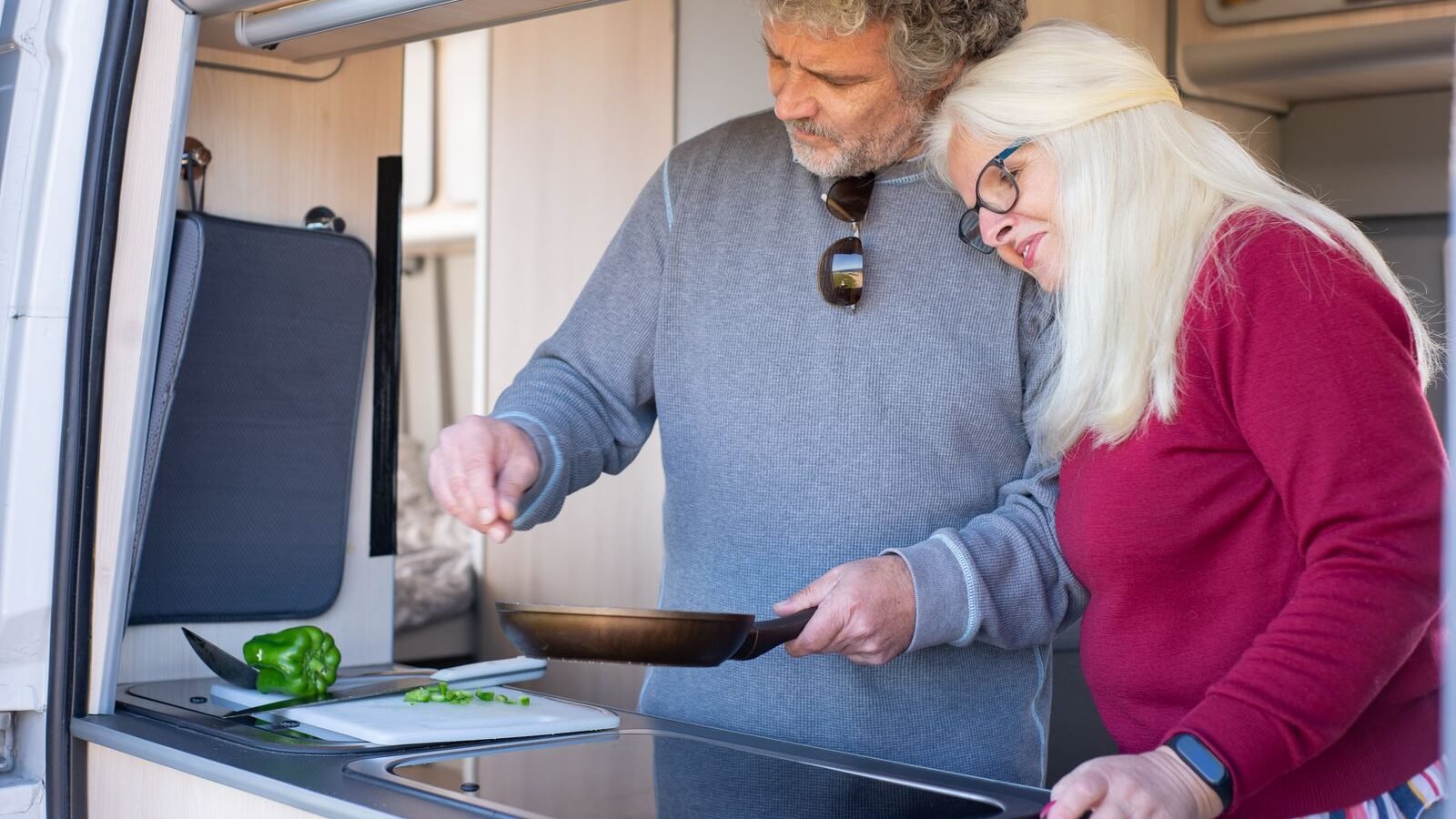
Quick answer: Most RV refrigerators have a built-in travel latch. [1] The latch may be part of the handle, a small sliding catch, a push-button latch, or a plastic locking tab. [1] Check the model and the manual for the installed unit, confirm the latch fully engages, and keep heavy items off the door shelves before you drive.

The right RV refrigerator travel latch is the one built or approved for the unit actually installed in your rig, not the one that happened to come with a different fridge. Most RV refrigerators have a built-in travel latch. [1] Because many RV fridge doors can sit against the seal without the latch fully engaging, a quick look is not enough. [1] Confirm the latch position, check the model against its manual, and walk a short pre-drive checklist every time you move the rig.
How this guide was researched for Rv Refrigerator Travel Latch
This guide was researched rather than tested. This guide was drafted with AI assistance from the published pages listed under Sources, and each sourced sentence carries a marker that points to the page it came from. This guide does not describe first-hand use, stays or purchases. Pages change, so check the source page before you rely on a figure.
Why the RV refrigerator travel latch matters
An RV fridge door must stay closed through vibration, turns, braking, rough roads, and campground exits. [1] A home refrigerator does not deal with that kind of movement, so RV refrigerators need proper travel locking. [1] When the door opens while you drive, the results go beyond spoiled food, because liquids spill, containers break, and the mess spreads into the aisle.
A proper latch and better packing usually solve the problem quickly. [1] So the few minutes you spend on the latch before departure protect far more than the groceries.
Free download: The Full-Time RV Launch Checklist
Our 16-page planner: a 12-month countdown, inspection checklist, budget and weights worksheets and a maintenance calendar. Free and printable.
Think of the latch as a safety device rather than a convenience. Because the fridge is bolted into the coach, the door is the one moving part you interact with every single day. And it is also the part most exposed to road shock.
What makes the door open while driving?
If your RV refrigerator door opens while driving, the usual cause is a weak latch, overloaded shelves, poor leveling, a worn door gasket, or items inside the fridge pushing against the door. [1]
Start with the simplest explanations. A weak latch or a bad habit of closing the door halfway explains most cases, while a worn gasket or a sagging hinge takes a little more detective work.
Weak latch versus overloaded door for Rv Refrigerator Travel Latch
Heavy items in the door are one of the biggest reasons RV fridge doors pop open. [1] The door swings and flexes while driving. [1] If the door shelves are overloaded, the latch has to fight extra weight on every turn. [1] Put heavy items on the main refrigerator shelves, low and toward the back. [1]
Before you blame the hardware, empty the door shelves and reload them with light items only. Condiments belong in the door; jugs of water and cases of soda do not.
Leveling and alignment problems for Rv Refrigerator Travel Latch
Leveling matters more when using the refrigerator at a campsite. [1] Poor leveling can also show door alignment problems. [1] If the RV is not level, the fridge door may swing open easily when unlatched. [1] When parked, the door should naturally close and seal without needing force. [1]
If the fridge door has sagged, the latch may not line up correctly. [1] A small hinge or latch adjustment can make a big difference. [1] Check the hinges when the door needs a push to close.
Where can I identify the installed component?
This is the question that trips up owners of used rigs. The fridge in your coach may not be the one it left the factory with, so the brochure in your glovebox may describe a different door, a different latch, and a different allowable travel mode entirely.
Find the model plate for Rv Refrigerator Travel Latch
Open the fridge and look for the model plate inside the fresh food compartment or on the frame near the door opening. Record the full model and serial numbers exactly as printed. Take a photo of the plate.
Download the model-specific refrigerator manual from the manufacturer’s website and read its travel section.
Look behind the access panel for Rv Refrigerator Travel Latch
When you need to confirm what is actually installed, the outside of the rig tells the truth. From the outside of your RV, the refrigerator access panel looks like a rectangular vent cover. [2] Unscrew the panel to see the back of the refrigerator. Read the label on the back of the unit for the model data.
Work carefully around that opening. Look for at least three connections: the refrigerator wall plug, a fuel line like propane and any other wires spliced together with wire nuts. [2] Photograph the connections and leave them alone unless every hookup is disconnected.
Match the latch to the model
With the model in hand, compare what the manual describes to what you see on the door. Most RV refrigerators have a built-in travel latch. [1] The latch may be part of the handle, a small sliding catch, a push-button latch, or a plastic locking tab. [1] If your door shows none of these, the installed unit may be a replacement model with a different latch design, or the latch hardware may be missing entirely.
Record the model, the latch type, and the date you checked in a maintenance tracker.
Which observation changes my next step?
The single most useful observation is whether the latch actually engages when the door looks closed. Do not assume the door is closed just because it looks closed. [1] Many RV fridge doors can sit against the seal without the latch fully engaging. [1] If the door looks shut but the latch sits loose, your next step is engagement, not replacement.
Watch what happens on a rough road. Note whether the door opens on washboard, on steep grades or on smooth pavement.
When parked, the door should naturally close and seal without needing force. [1] If it does not, fix alignment before you spend money on any latch, because a misaligned door will defeat even a new latch.
Example Suppose you bought a used motorhome and the fridge door popped open on your first highway run. Imagine you work through the decision in order. First, you look at the door edge and find a sliding catch that appears closed, yet the door gasket shows a daylight gap at the top. Next, you empty the door shelves and find two large juice bottles riding there. You then run the parked test, and the door drifts open on its own. Because the door fails the parked test, your next step is a hinge and alignment check, not a new latch. After a small hinge adjustment, the door closes and seals without force, the latch engages with a clear click, and the juice bottles move to a lower shelf. Only if the door still opened after all that would you move on to a secondary latch.
How to check the correct travel latch for the installed refrigerator
Work through this sequence before every trip, and work through it completely after any fridge service or replacement. Each step takes less than a minute. [1]
- Confirm the installed model from the plate inside the fridge or behind the outside access panel.
- Open the model-specific manual and read the travel preparation section for that model.
- Identify the latch type on your door: handle latch, sliding catch, push-button latch, or plastic locking tab.
- Check the latch position against the manual’s description for the allowable travel mode of that unit.
- Keep only light items on the door shelves.
- Confirm the door closes and seals on its own when parked.
Write the steps on a card taped inside a cabinet door near the fridge. A checklist you can see beats a checklist you must remember.
Confirm the latch position
Trust the manual rather than a friend’s rig. Look for the latch at the top of the door, at the bottom hinge side or as a tab at the midline. Because the latch may be part of the handle, a small sliding catch, a push-button latch, or a plastic locking tab, learn the exact motion your latch needs. [1]
Practice the motion until it becomes automatic. A latch you can operate in one movement, without looking, is a latch you will actually use on departure day.
Confirm the allowable travel mode
The allowable travel mode is the set of conditions under which the manufacturer permits the fridge to run while you drive. Absorption refrigerators are sensitive to tilt and to sustained highway operation, and the limits differ by model line.
Operating the N4150 slimline when parked off-level or during sustained highway tracking restricts internal gravity fluid return, driving rapid thermal spikes. [3] Read your manual’s travel section carefully, because the allowable travel mode tells you whether the fridge runs while you drive, whether it must be off, and what slope limits apply. Check the latch with that mode in mind, since a fridge that must be off and secured travels with different door-loading rules than one that keeps running.
Avoid guessing at the allowable travel mode.
Loading the door and the shelves
Packing is half the battle. Put heavy items on the main refrigerator shelves, low and toward the back. [1]
- Keep jugs, cases, and cans on the lowest main shelf, toward the back wall.
- Reserve the door shelves for condiments and small, light containers.
- Leave a small gap at the front of each shelf so nothing presses against the door.
- Check that nothing inside the fridge pushes against the door, since items pushing against the door are a usual cause of doors opening while driving. [1]
After a shopping run, redo the load before you drive. Groceries loaded in a hurry are the ones that end up on the floor.
When the factory latch is not enough
If the factory latch is weak or your RV fridge door still opens on rough roads, add a secondary latch made for RV refrigerators. [1] Use a latch that can handle road vibration and can be opened easily when parked. [1]
Avoid tape as a normal solution. Tape can leave residue, fail in heat, and looks bad. [1]
Choosing a secondary RV refrigerator travel latch
Shop for a secondary RV refrigerator travel latch with three criteria in mind. It must survive constant vibration, it must release instantly when you are parked, and it must never block emergency access. A latch that blocks emergency access to food or medication is a design to avoid, because the moment you need the door open in a hurry is the moment the latch will fight you.
- Pick hardware rated for vibration, not a household cabinet latch.
- Choose a one-hand release you can operate without looking.
- Mount it where it cannot jam shut against a bulkhead or a wall.
- Test it on a short drive before you trust it on a long one.
Choose a secondary latch that works with the door’s natural swing. Check the alignment if you must slam the door to seat the latch.
Fixing alignment and hinges
Check alignment before you blame the latch. If the fridge door has sagged, the latch may not line up correctly. [1] A small hinge or latch adjustment can make a big difference. [1] Before you replace any hardware, loosen the hinge fasteners slightly, square the door against the seal, and retighten.
Check the gasket while the door is open. Look for a worn door gasket. Clean the gasket, inspect it for tears, and replace it if it has lost its spring.
Removing or replacing the refrigerator
Sometimes the correct answer is a new unit, and then the latch question starts over with the new model. Removal is a manageable job, but it has safety steps you must not skip.
You will need a screwdriver to get the job done, because an RV refrigerator is bolted to the walls and floor for safety. [2] A small wrench should also be on hand to remove the refrigerator doors when it comes time to get the unit out of the RV. [2] Disconnect all camper hookups before you begin.
Disconnecting all camper hookups before beginning helps prevent an electric shock when removing the refrigerator from the RV. [2] Several screws hold the refrigerator securely in place within the RV, and some of them hide behind the trim above and below the unit. [2] These screws attach the fridge to the wall of the RV directly so that it doesn’t slide around when the vehicle is in motion. [2]
Handling the old unit safely
RV refrigerators are smaller than a house-size refrigerator, but that doesn’t mean they aren’t heavy. [2] Have someone help you maneuver the refrigerator safely down the steps of the RV. [2] Remove any drawers or other movable parts from within the fridge to prevent them from sliding out. [2]
Keep the fridge as upright as possible during removal. Keeping the unit upright avoids coolant contamination that can prevent the fridge from working properly. [2]
When the new unit goes in, bolt it to the walls and floor just as the old one was. Then identify the new model’s latch, read its manual, and start your checklist fresh.
Pre-drive checklist for the fridge door
This takes less than a minute and can save you from a messy RV floor. [1] Run it every time, even for a short move across the campground.
| Check | What good looks like | If it fails |
|---|---|---|
| Model confirmed | Plate matches the manual you use | Find the plate inside the fridge or behind the access panel |
| Latch type known | Handle, sliding catch, push-button, or locking tab identified | Compare against the manual’s description |
| Latch engaged | Clear click or full seat, not just a closed-looking door | Close again and verify engagement |
| Door shelves light | Only small, light items in the door | Move heavy items low and toward the back |
| Parked seal test | Close the door and watch it seal | Check hinges, gasket, and leveling |
| Travel mode confirmed | Manual’s allowable travel mode followed | Read the model’s travel section before running the fridge |
Keep the card with the checklist next to your departure routine, and log each long trip in your maintenance tracker so patterns show up early.
Mistakes that cause door failures
- Trusting a door that looks closed, since many doors sit against the seal without the latch engaging. [1]
- Loading heavy bottles into the door shelves.
- Avoid using tape instead of proper hardware.
- Installing a secondary latch that blocks emergency access to food or medication.
- Avoid skipping the parked seal test after any service on the door or hinges.
- Avoid assuming the manual in the rig matches the fridge actually installed.
Avoid the whole list by slowing down on departure day.
Review record
Last reviewed on .
Frequently asked questions
Where can I identify the installed component?
Start with the model plate inside the fresh food compartment, then confirm it behind the outside access panel. From the outside of the RV, the refrigerator access panel looks like a rectangular vent cover. [2] The back-of-unit label gives the true model of the installed fridge, which matters in used rigs where a previous owner may have swapped units. Record the model and match it to the model-specific manual before you trust any latch instructions.
What if the latch looks fine but the door still opens?
Look at the load and the road. Heavy items in the door are one of the biggest reasons RV fridge doors pop open. [1] When the door shelves are overloaded, the latch has to fight extra weight on every turn. [1] Relocate heavy items low and toward the back on the main shelves, then retest on a rough road before you replace hardware.
Is tape an acceptable backup?
No. Tape can leave residue and can fail in heat, so it is not a normal solution. [1] If the factory latch is weak or the door still opens on rough roads, a secondary latch made for RV refrigerators is the recommended fix. [1]
How often should I check the latch?
Check it before every drive, and check it again after any service on the door, the hinges, or the fridge itself. Because many doors sit against the seal without the latch fully engaging, the check must be a physical verification of engagement, not a glance. [1]
Final word on the travel latch
The correct RV refrigerator travel latch is the one the installed model specifies, verified in the correct latch position, used within the unit’s allowable travel mode, and backed by sensible packing. Confirm the model, engage the latch fully, load the door light, and run the parked seal test. Those four habits keep the groceries where they belong, trip after trip.
Sources
- How to keep rv refrigerator door closed while traveling? – RV Repair by Custom way in California ()
- How To Remove A Refrigerator From An RV ()
- Norcold RV Refrigerator Manuals & ARP Install Guides ()
Keep planning

Written by Jeremy Jarvis
Jeremy Jarvis is the founder and editor of Freedom Road Living, where he builds research-based guides and free planning tools for people who live, work and travel in an RV. He sets the site's editorial standards, checks every guide against official sources such as the National Park Service and manufacturer documentation, and is responsible for corrections. Jeremy also founded Eco Nomad Travel, Mind Clarity Hub, SilkHarborTravel and WanderOza Travel, and he is the author of books on clarity, focus and practical AI, including The Power of Clarity and Digital Clarity.
Questions and comments