
Grand Teton Campgrounds: RV Limits, Hookups, Fees, and Booking Tips
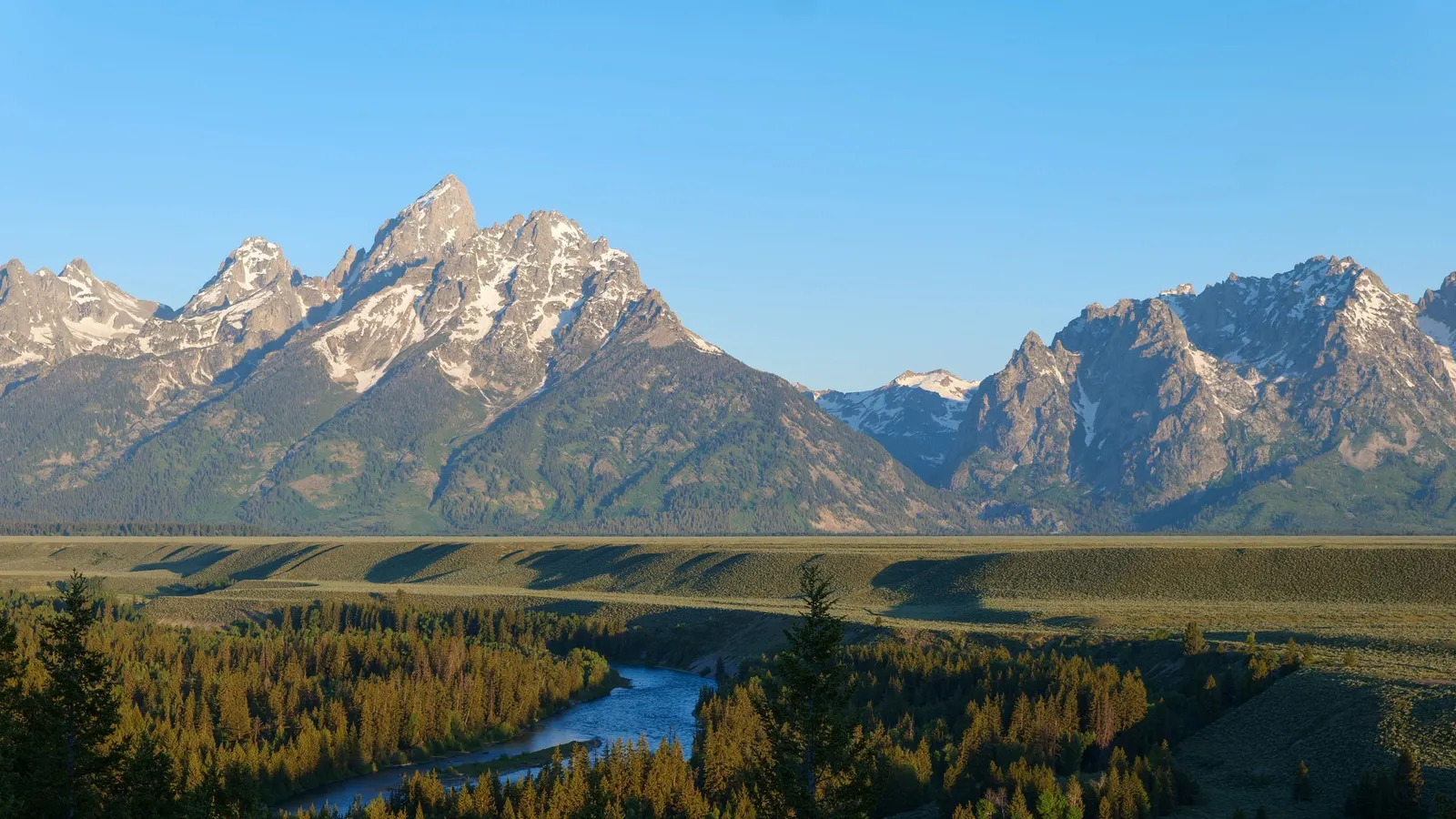
Grand Teton campgrounds put you close to some of the most dramatic mountain scenery in the country, and they fill fast. This guide compares every campground in the park using official National Park Service data, so you can see RV length limits, hookups, listed fees and stay limits in one place. If you are planning camping in Grand Teton National Park with a trailer or motorhome, start with the table below, then read the booking tips that follow.
Last reviewed and updated: September 30, 2026. Written by Jeremy Jarvis.
Key takeaways
- Grand Teton has eight campgrounds and camping areas in NPS data, most reservable on Recreation.gov up to six months ahead.
- Gros Ventre, Colter Bay, Colter Bay RV Park and Headwaters list the longest RV limit, 45 feet; Signal Mountain and Lizard Creek list 30 feet.
- Full hookups are listed only at Colter Bay RV Park and Headwaters; several other campgrounds have some electric sites.
- Most campgrounds cap stays at 14 nights (Jenny Lake at seven), with a 30-night cumulative limit across the park.
Grand Teton campgrounds at a glance
The table lists each campground as it appears in National Park Service data on September 30, 2026. Fees are the listed nightly prices for the main site types and can change each season, so treat them as a guide and confirm on Recreation.gov.
| Campground | Max RV | Sites | Electric sites | Listed nightly fees |
|---|---|---|---|---|
| Gros Ventre Campground | 45 ft | 279 | 39 | Check Recreation.gov |
| Colter Bay Campground | 45 ft | 324 | 13 | $59 standard, $80 electric |
| Colter Bay RV Park | 45 ft | 112 | 112 | $117 pull-through, $112 back-in (30 ft or smaller) |
| Headwaters Campground | 45 ft | 171 | Full hookup pull-throughs listed | $59 standard, $117 full hookup |
| Signal Mountain Campground | 30 ft | 81 | 25 | $55 standard, $79 electric |
| Lizard Creek Campground | 30 ft | 60 | None listed | $49 |
| Jenny Lake Campground | Tent only | 61 | None listed | $56 tent site |
| Colter Bay Tent Village | Tent cabins | 66 | None listed | $104 tent cabin |
In short, four Grand Teton campgrounds list a 45-foot RV limit, two list 30 feet, and Jenny Lake is for tents. Headwaters sits on the John D. Rockefeller, Jr. Memorial Parkway between Grand Teton and Yellowstone, and the park lists it with its campgrounds.
Campground-by-campground guide
Each campground has its own character. The profiles below summarize what the official data says about each one, so you can choose the right base for camping in Grand Teton National Park.
Gros Ventre Campground
Gros Ventre is the largest campground in the table, with 279 sites and a listed 45-foot RV limit. It also lists 39 electric sites and a dump station. Because of its size, it can be a good first choice for big rigs. However, the park notes that it fills during the peak season, so reserve early.

Free download: The Full-Time RV Launch Checklist
Our 16-page planner: a 12-month countdown, inspection checklist, budget and weights worksheets and a maintenance calendar. Free and printable.
Colter Bay Campground
Colter Bay Campground is the largest by site count, with 324 sites, and it lists a 45-foot limit for both RVs and trailers. A small number of sites, 13, list electric hookups. Its location near Jackson Lake and the Colter Bay village area makes it a convenient base for boating and lakeside trails.
Colter Bay RV Park
If you want hookups, Colter Bay RV Park is the park’s dedicated RV option. All 112 sites list electric service. The listed fees are higher than the standard campgrounds, and the back-in sites are listed for RVs 30 feet or smaller, while pull-through sites take rigs up to 45 feet.
Headwaters Campground
Headwaters sits on the John D. Rockefeller, Jr. Memorial Parkway, between Grand Teton and Yellowstone. It lists 171 sites, a 45-foot RV limit and full hookup pull-through sites. It also lists camper cabins. Note that the NPS data lists no cell reception here.
Signal Mountain Campground
Signal Mountain lists 81 sites, 25 of them with electric hookups, and a 30-foot limit for both RVs and trailers. Its setting near Jackson Lake makes it one of the most sought-after Grand Teton campgrounds, and the park notes that it often fills before noon in peak season.
Lizard Creek Campground
Lizard Creek, at the north end of the park, lists 60 sites, a 30-foot RV limit and a 20-foot trailer limit, with no hookups listed. For smaller rigs, it can be a quieter base, but trailers need to be short.
Jenny Lake Campground
Jenny Lake is listed with tent-only campsites and a seven-night stay limit. It sits close to some of the park’s most popular trails and, according to the park, usually fills before 9 am during peak season. RVers who want to hike here can stay elsewhere and drive over early.
Colter Bay Tent Village
The Tent Village lists 66 tent cabins. It is not for RVs, but it can suit travel companions who join an RV trip without their own rig.
Which Grand Teton campground fits your RV?
Your rig length decides your options for camping in Grand Teton National Park before anything else. So measure your total length, including racks and hitches, and then match it to the list below.
- Up to 30 feet: every RV-accessible campground is open to you, including Signal Mountain, with its lakeside setting, and Lizard Creek.
- 31 to 45 feet: focus on Gros Ventre, Colter Bay Campground, Colter Bay RV Park and Headwaters.
- Over 45 feet: no Grand Teton campground lists a limit above 45 feet, so plan on campgrounds outside the park.
Remember that a posted campground limit is usually the longest site, not every site. Therefore, check the individual site length on Recreation.gov before you book. For a nationwide view, see our guide to national park RV length limits.
Hookups in Grand Teton campgrounds
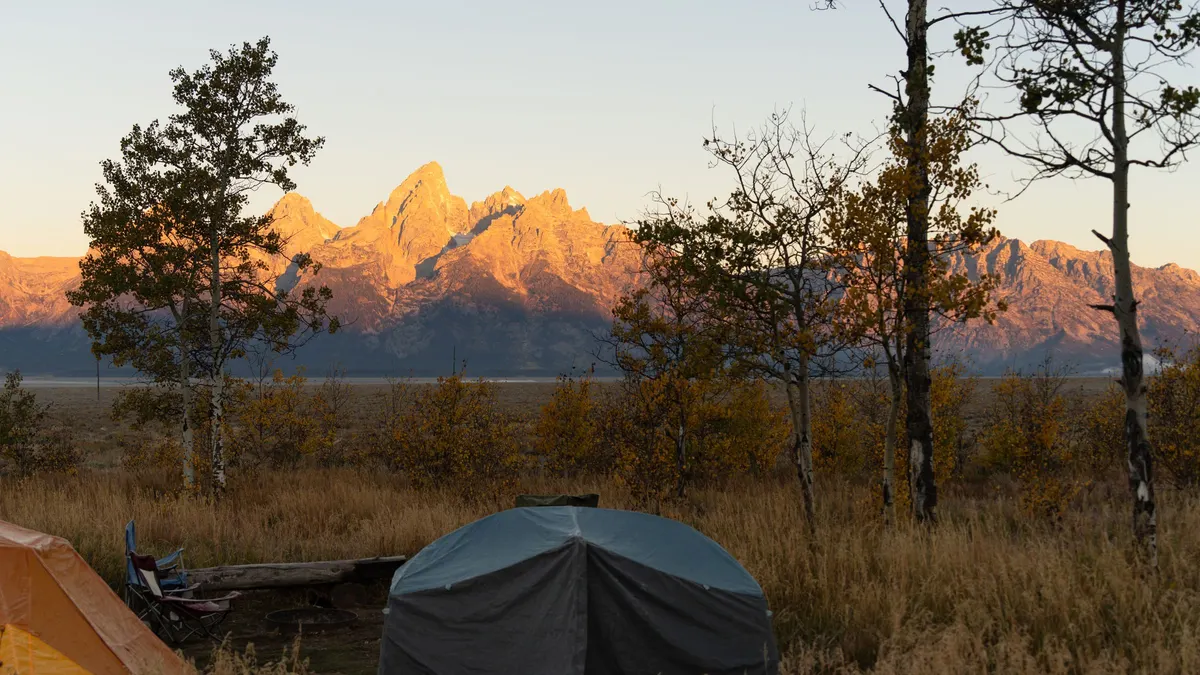
Most camping in Grand Teton National Park is dry camping, without hookups at your site. However, there are exceptions. Colter Bay RV Park lists electric service at all 112 of its sites, and Headwaters lists full hookup pull-through sites for rigs up to 45 feet. In addition, Gros Ventre lists 39 electric sites, Signal Mountain lists 25, and Colter Bay Campground lists 13.
The NPS data lists dump stations at Gros Ventre, Signal Mountain, Colter Bay, Colter Bay RV Park and Headwaters, and potable water at every campground. If you plan to stay without hookups, our guides to the RV lithium battery and the portable power station for camping help you plan power for several days.
Reservations and stay limits at Grand Teton campgrounds
The National Park Service says campsites are reservable on Recreation.gov and that you can reserve up to six months in advance. Because demand is high, book as early as the window allows, especially for summer weekends and the longer RV sites.
Stay limits are also strict. Gros Ventre, Colter Bay, Colter Bay RV Park and Headwaters list a maximum stay of 14 nights. Jenny Lake lists seven nights. On top of that, the NPS lists a maximum cumulative stay of 30 nights across all Grand Teton National Park campgrounds. So a long summer visit may need to include campgrounds outside the park.
When Grand Teton campgrounds fill
The park’s own campground notes are blunt about demand. Jenny Lake is described as usually filling before 9 am during peak season, and Signal Mountain as often filling before noon. Gros Ventre is noted as filling during the peak season as well. In other words, arriving in the afternoon without a reservation in July or August is a gamble.
Cancellations do open up, though. Check Recreation.gov repeatedly in the days before your trip, and be flexible about which campground you take. Shoulder-season trips, closer to the opening and closing dates, are usually easier to book.
Wildlife and food storage rules
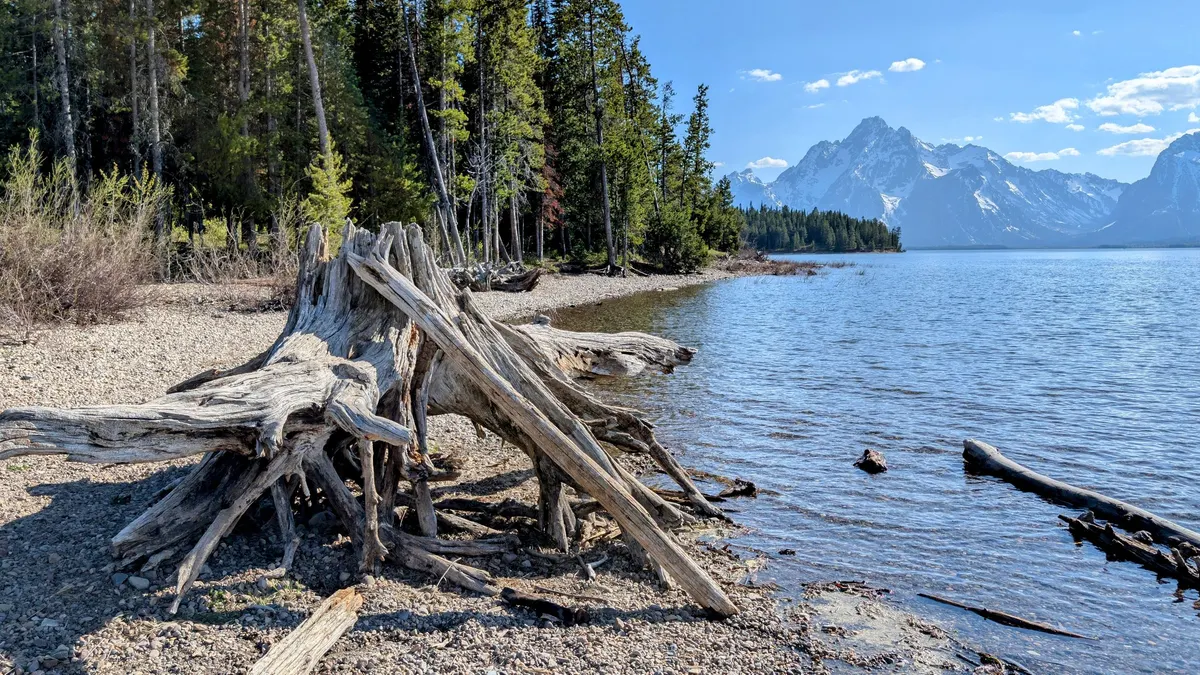
Grand Teton is bear country, so campground rules are serious. The park’s regulations say all food and scented items must be properly stored at all times. The park also asks visitors to stay at least 100 yards from bears and wolves and 25 yards from all other wildlife. For RVers, that means food goes inside a hard-sided vehicle or a bear box, never on a picnic table or in a tent. Also, keep coolers, grills and pet food secured whenever you leave the site.
Entrance fees and passes
An entrance pass is required to enter Grand Teton National Park, and the park says vehicle reservations are not needed to enter. The park’s fees page lists standard, annual and America the Beautiful pass options, and it notes an additional per-person fee for many non-U.S. residents. Campground fees are separate from entrance fees, so budget for both. Our RV Trip Cost Calculator can add up camping, fuel and entry costs for the whole trip.
Cell service at Grand Teton campgrounds
NPS data lists year-round cell phone reception at most Grand Teton campgrounds, but not at Headwaters. Coverage varies by carrier and by site, so do not count on it for remote work. If you need to stay online, plan a backup, such as a satellite connection. Our guide to Starlink for RV explains the options and the power they need.
Best time of year for Grand Teton RV camping
Grand Teton campgrounds are seasonal. They generally open in late spring and close in the fall, and each campground sets its own dates. Summer brings the warmest weather and the most services, but it also brings the biggest crowds and the fastest-filling sites. By contrast, the shoulder weeks near opening and closing can be quieter, with cooler nights and a better chance of snow at higher elevations.
For many RVers, early summer and early fall offer a good balance. However, check each campground’s current season on the park website before you plan, because dates shift from year to year and some campgrounds close earlier than others.
Driving an RV in Grand Teton National Park
The main park roads are paved and handle RVs, but summer traffic is heavy and wildlife often stops cars without warning. So drive slowly, use pullouts to let traffic pass, and never stop in the road to watch animals. Some side roads and viewpoints are narrow or steep, and a few are better visited in a smaller vehicle. If you tow a car, many RVers leave the RV at camp and use the car for sightseeing.
Fuel up before long drives in the park, and plan arrivals for daylight so you can find and back into your site safely. In addition, remember that campground loops are often tighter than the main road.
What to pack for camping in Grand Teton National Park
- Warm layers and bedding, because mountain nights can be cold even in July.
- Bear-safe food storage habits, plus containers that close tightly inside the RV.
- Leveling blocks, since not every site is flat.
- A way to recharge batteries if you are staying without hookups.
- Rain gear, because afternoon storms are common in the mountains.
- A printed or offline copy of your reservation and campground map.
If Grand Teton campgrounds are full
When the park is booked, look just outside it. National forest land surrounds much of the region, and federal campgrounds there can be a good base for day trips into the park. Use our RV Campground Finder to list federal campgrounds in Wyoming by rig length, then check each one’s page for season and site details. Where dispersed camping is allowed on national forest land, our free camping guide explains stay limits and how to find legal spots.
How to plan camping in Grand Teton National Park
A little preparation goes a long way here. First, decide your travel dates and set a reminder for the date reservations open, six months ahead. Next, shortlist two or three Grand Teton campgrounds that fit your rig. Then compare them by hookups, setting and distance to the areas you most want to see.
Once you have a site, plan your arrival for daylight. Many roads in the park are busy in summer, and wildlife often stops traffic. Our RV Travel-Day Planner helps you time your arrival. Finally, pack for cold nights, even in summer, because mountain temperatures can drop sharply after dark.
Grand Teton campgrounds checklist
- Measure your rig and choose campgrounds whose listed limit fits.
- Reserve on Recreation.gov as soon as your dates open.
- Check the individual site length, hookups and slope before you book.
- Note the stay limit for your campground and the park-wide 30-night limit.
- Pack bear-safe food storage and plan to keep all food secured.
- Buy or carry your entrance pass.
- Save a backup campground outside the park.
With a reservation, a rig that fits, and a plan for food storage and power, camping in Grand Teton National Park can be the highlight of a western road trip. For more park planning, browse our Campgrounds & Routes hub.
Frequently asked questions about Grand Teton campgrounds
Which Grand Teton campgrounds are best for big RVs?
In NPS data, Gros Ventre, Colter Bay, Colter Bay RV Park and Headwaters list a maximum RV length of 45 feet. Signal Mountain and Lizard Creek list 30 feet, and Jenny Lake is listed with tent-only campsites.
Do Grand Teton campgrounds take reservations?
Yes. The NPS says campsites at the park’s campgrounds are reservable on Recreation.gov, and you can reserve up to six months in advance.
How long can you stay in Grand Teton campgrounds?
Several campgrounds list a maximum stay of 14 nights, Jenny Lake lists seven nights, and the NPS lists a maximum cumulative stay of 30 nights across all Grand Teton National Park campgrounds.
Are there RV hookups in Grand Teton National Park?
Yes, at a few campgrounds. Colter Bay RV Park lists 112 sites with electric hookups, and Headwaters lists full hookup pull-through sites. Gros Ventre, Signal Mountain and Colter Bay Campground list some electric sites.
What if Grand Teton campgrounds are full?
Check Recreation.gov for cancellations, then look at federal campgrounds in the surrounding national forests. Our RV Campground Finder lists federal campgrounds in Wyoming by rig length.
Sources and how we researched this guide
This guide is built from official National Park Service data. Campground details, RV limits, listed fees, and stay limits come from the NPS campground API and the park’s own pages, retrieved on September 30, 2026. We did not visit these campgrounds. Fees and seasons change each year, so confirm on Recreation.gov and the park website before you book. Found something out of date? Tell us and we will check it against the source.
- National Park Service: Grand Teton camping
- National Park Service: Grand Teton fees and passes
- National Park Service API: campground data
- Recreation.gov: reserve federal campsites
Keep planning
- Grand Canyon Campgrounds for RVs: Mather, Desert View, and Current Water Restrictions
- Zion Campgrounds for RVs: Watchman, South, and the Large-Vehicle Rules
- Hoh Rainforest Campground and Olympic National Park Camping for RVs
- Camping in the Smoky Mountains: Every Park Campground for RVs and Tents
Go deeper: Campgrounds & Routes hub · RV Campground Finder and Length Checker · RV Trip Cost Calculator

Written by Jeremy Jarvis
Jeremy Jarvis is the founder and editor of Freedom Road Living, where he builds research-based guides and free planning tools for people who live, work and travel in an RV. He sets the site's editorial standards, checks every guide against official sources such as the National Park Service and manufacturer documentation, and is responsible for corrections. Jeremy also founded Eco Nomad Travel, Mind Clarity Hub, SilkHarborTravel and WanderOza Travel, and he is the author of books on clarity, focus and practical AI, including The Power of Clarity and Digital Clarity.