
RV 30 Amp vs 50 Amp: Read Pedestal and Rig Labels Before You Reserve

Quick answer: Read the label on the main panel and the plug on the cord before you reserve a site for RV 30 amp vs 50 amp. Compare both labels with the pedestal receptacles before you commit to a deposit.
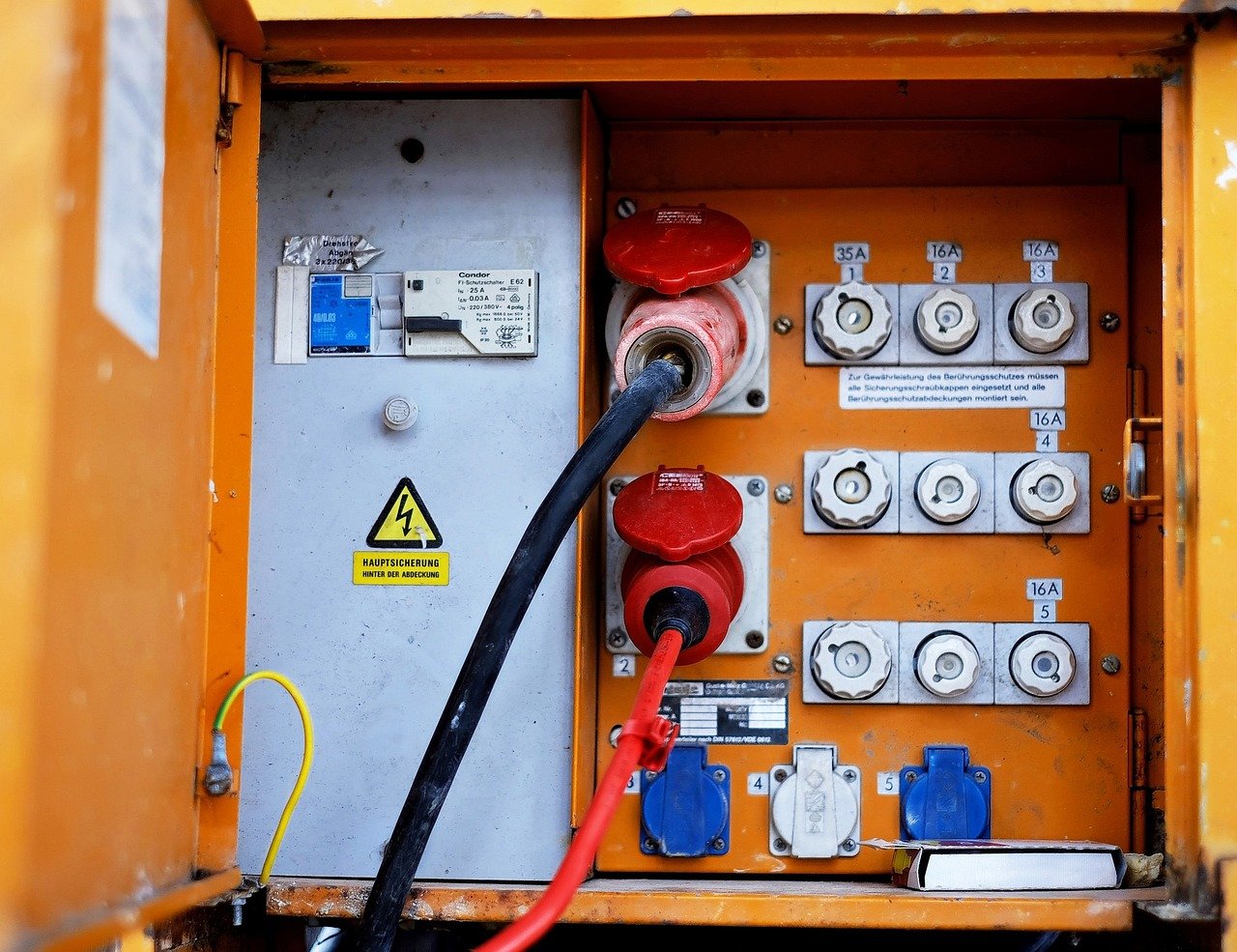
A 30 amp RV runs on a single 120 volt line. [1] A 30 amp RV has about 3,600 watts in total. [1] Read every label before you trust an adapter. A 50 amp RV uses two separate 120 volt lines. [1] A 50 amp RV has about 12,000 watts in total. [1] The power is more than three times higher. [1]
How this guide was researched
This guide was researched rather than tested. This guide was drafted with AI assistance from the published pages listed under Sources, and each sourced sentence carries a marker that points to the page it came from. This guide does not describe first-hand use, stays or purchases. Pages change, so check the source page before you rely on a figure.
Why does RV 30 amp vs 50 amp matter before you reserve?
Settle RV 30 amp vs 50 amp before you commit to a deposit. Count the roof air conditioners on your rig while you plan the trip. List the large appliances before you choose a site.
One roof unit with a gas fridge means 30 amp service will do the job. [2] One air conditioner is comfortable on 30 amps. [3] Rigs with two roof air conditioners usually need 50 amps. [4] A residential fridge or induction cooktop tells you the rig was built for 50 amp service. [2] Check the manual when your rig fits none of these groups.
Free download: The Full-Time RV Launch Checklist
Our 16-page planner: a 12-month countdown, inspection checklist, budget and weights worksheets and a maintenance calendar. Free and printable.
On 30 amp service, one air conditioner leaves roughly 1,400 watts for everything else. [2] A 50 amp RV can run two air conditioners, the electric water heater and the microwave together. [2] Write down every large appliance before you compare sites.
Most smaller travel trailers and some motorhomes are built for 30 amp service. [1] Ask a technician when you cannot tell which group your rig belongs to.
Plan around the rig, not around the pedestal, when you compare sites.
Where can I find the service label on my rig?
Look for the service rating in more than one place. Stop and find out why when two places disagree. Start with the panel inside the rig, then move to the cord.
Read the main breaker in the panel
Open the panel door inside the rig when the power is off. Look at the main breaker at the top while the rig is off. A single 30 amp breaker at the top of the panel means 30 amp service. [2] Write down what you see before you leave the rig. A pair of 50 amp breakers tied by a handle bar means 50 amp service. [2] Compare the breaker with the pedestal receptacles while you plan the stay.
The wiring and main panel of the RV set the service. [1] Changing the service is a rewiring job, not an adapter. [1] Ignore any adapter in the storage bay when you judge the service. Ask a technician about any change to the wiring.
Read the plug on the shore cord
Look at the plug on the shore cord next. A 30 amp RV plug carries one 120-volt leg. [2] A 50 amp RV plug carries two separate 120-volt legs. [2] Three prongs on the cord means 30 amp. [1] Count the prongs on your own plug while you stand at the cord bay. Four prongs on the plug means 50 amp. [1] The three prongs for 30 amp are one hot, one neutral and one ground. [1] A 50 amp plug has four prongs: two hots, a neutral and a ground. [1]
The 50 amp cord has four prongs: two 120 volt lines, a neutral and a ground. [4] A 50 amp RV has two separate supplies instead of one bigger wire. [4] Compare the plug with the panel breaker, and note any mismatch before you book.
Check the manual and the inlet cover
Open the owner manual to the electrical page. Look near the inlet for a printed rating when the cord is unplugged. Compare both with the panel when the markings look faded. Trust the panel over the cord when the two disagree. Write each answer in one place before you book.
| Check | What to write down |
|---|---|
| Read the main breaker label in the panel | Write down the rating shown |
| Look at the plug on the shore cord | Write down the prong layout |
| Find any rating printed near the inlet | Write down the printed rating |
| Open the owner manual to the electrical page | Write down the rated limits |
Use the panel as the tiebreaker when the table gives mixed answers.
How do I read the pedestal at the campsite?
A pedestal is a post at the campsite, with the receptacles and usually the breakers. [3] Which receptacles are present varies with the park and the age of the site. [3] Ask the park office for a photo of the pedestal before you book. Record the confirmed hookup in the campground comparison tool before you reserve. Settle RV 30 amp vs 50 amp questions before you arrive.
What does a 30 amp campsite hook up look like?
Look for the smaller receptacle on the pedestal. Match the 30 amp campsite hook up to the plug on your cord before you plug in. Compare the receptacle with the plug while the breaker is off.
How do I spot the larger receptacle?
Look for the larger receptacle with the wider body. Compare it with the smaller one while you stand at the pedestal. Count the slots before you pick a cord. A 50 amp pedestal is a 120/240 volt supply. [4] The 240 volts appears only across the two legs. [4]
Never guess at the voltage when a receptacle looks unfamiliar.
Which pedestal problems should stop me?
- Look for cracked covers before you plug in.
- Check for loose receptacles while you inspect the pedestal.
- Look for burn marks or melted plastic around a slot.
- Check for missing breaker labels.
- Test whether a breaker stays on after you switch it.
- Feel the cord for heat after a short time under load.
A badly wired pedestal can damage the RV. [4] Reverse polarity is a wiring fault. [3] A pedestal wired backwards was never tested after installation. [3] Report any fault to the office when you find one, and ask for another site.
A broken neutral is the worst case on a 50-amp supply. [3] Anything on the high leg can be destroyed almost instantly. [3] The receptacle owner is responsible for a pedestal with bad wiring or a missing ground. [4] Never open the pedestal yourself, even when a cover looks loose.
RV 30 amp vs 50 amp: which observation changes your next step?
Turn each check into an action. Use the worksheet below at the gate or on the phone.
| Check | What to write down |
|---|---|
| Compare the panel breaker with the pedestal receptacle | Write down whether they match |
| Compare the plug with the panel label | Write down any mismatch |
| Inspect the pedestal for damage | Write down what you see |
| Count the roof air conditioners | Write down how many run together |
| List the largest appliances | Write down which ones run at the same time |
- Reserve the site when the labels match.
- Call a technician when the panel and the plug disagree.
- Ask for another site when the pedestal looks damaged.
- Plan your loads around the smaller side when the labels differ.
How do adapters change what the rig can run?
Stepping down is normal with adapters. [3] An RV adapter changes the plug connection. Winnebago explains how the available hookup and the RV’s own rating limit the current. [3] With adapters you can plug into either pedestal. [1] The RV gets only the power that the smaller side can supply. [1] Available power drops to the adapter rating. [4] Keep the adapter rating in mind whenever a site does not match your rig.
Stepping down from a larger pedestal
A dogbone steps down to the smaller pedestal when a park has no 50 amp site left. [2] The RV still gets only 30 amps. [1] The cord, breaker and wiring of the RV are rated for 30. [1] Check the adapter before you plug in, whatever the RV 30 amp vs 50 amp mix at the site.
An adapter lets you use a 50 amp outlet. [1] Confirm that the receptacle, adapter and RV cord are compatible and undamaged before connecting. [2] Carry one matching dogbone in the bay.
The breaker in the RV sits downstream of the shore cord and the adapter. [2] That breaker does nothing for a fault in either of them. [2] The 50 amp breaker on the pedestal sits upstream of the adapter. [2] A scorched or loose dogbone gets replaced instead of taped. [2] Inspect the adapter at every stop, and retire it when it looks damaged.
Stepping up from a smaller pedestal
That connection usually runs one air conditioner plus a few small items. [1] An adapter ties the single 120-volt hot to both output hot pins. [2] Both busbars come alive at 120 volts. [2] Run one big appliance at a time while you watch the load.
What the two sides share is one 30 amp supply. [2] Both returns come back on one neutral instead of canceling each other. [2] The 50 amp main breaker in the rig will never trip on that connection. [2] The 30 amp breaker on the pedestal is the only protection on that connection. [2] Choose your appliances carefully, and stay near the pedestal breaker.
An energy management panel on some RVs sheds loads to stay under 30 amps. [1] A 30 amp energy management system on some models lets two air conditioners run when other appliances are not in use. [4] Read the manual before you rely on any load shedding feature.
Which adapters and shortcuts are unsafe?
A cheater box joins two smaller outlets to feed a 50-amp inlet. [3] An arc flash can melt the contacts and injure the eyes. [3] Skip any shortcut that combines outlets, even when it seems to work.
RV manuals warn against cheater plugs, removing the ground pin and undersized extension cords. [1] A hot adapter or cord is a real fire risk. [1] Use adapters built for RV service, and keep every connection tight. Check plug blades for discoloring before you plug in.
A loss of neutral can result from pulling up on the cord. [4] Pull the cord straight out by the plug head after you switch off the breaker.
Can a house outlet stand in for a pedestal?
A household outlet adapter is useful for keeping the battery charged and running lights. [1] A household outlet is the smallest possible step down. [4] Ask an electrician before you rely on any home outlet. A 5-15P adapter is a 15 amp device. [2] A 15 amp circuit cannot run an air conditioner properly. [4]
The 5-20R outlet is the one with a sideways T-slot. [2] Keep air conditioning off while you charge on a house outlet, unless an electrician approves it.
Which home outlets look like a pedestal?
Home range outlets use the same NEMA 14-50 device as a pedestal. [2] A 50 amp RV can plug directly into a range outlet on a 50 amp circuit. [2] On a 30 amp circuit, a NEMA 14-30 delivers 240 volts between two hots. [2] Hire an electrician to check any home outlet before you plug in.
The older 10-30 receptacle has no separate ground at all. [2] Improvising with a dryer outlet is how people energize a wet aluminum step. [2] Never improvise with a plug that fits only after you force it.
What can I run at once on each service?
Think of the pedestal as the first limit on a budget of amps. Judge RV 30 amp vs 50 amp by that whole budget. One air conditioner plus a microwave is already 33 amps. [1] The load of 33 amps will trip the 30 amp breaker. [1] Add up your own appliance list for RV 30 amp vs 50 amp before you plug in.
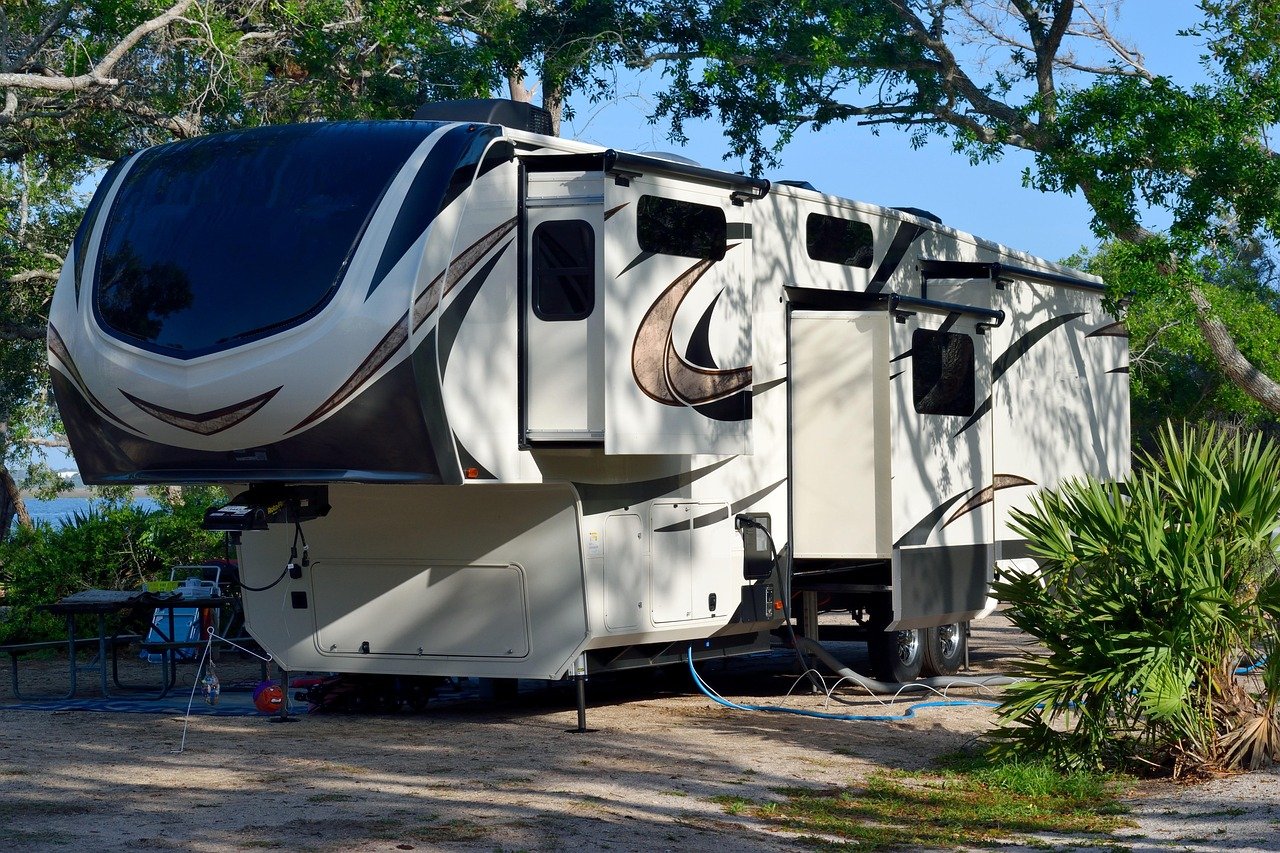
The same loads can usually run together on 50 amp service. [1] A converter adds another 5 to 13 amps to the load. [4] Breakers from 15 to 30 amp protect the individual 120 volt circuits in an RV. [4] One 15 amp circuit with a space heater plus a toaster draws at least 17 amps. [4] That circuit trips while the main breaker holds. [4] Watch the individual circuits as well as the main total while you add loads.
How does the breaker rating limit a continuous load?
The continuous-load rule caps a continuous draw at 80 percent of the breaker. [3] On a 30-amp circuit, that rule means about 24 amps. [3] Keep a margin instead of running right at the limit.
What are the watt totals for each service?
A 50-amp cord is rated at 240 volts. [3] In most cases a 50 amp RV does not use 240 volt appliances. [1] A 30-amp RV has a nominal maximum of 3,600 watts on a 120-volt, 30-amp supply. A lower-rated hookup provides less power. [2] Write the watt totals beside your appliance list before you travel.
Why does low voltage matter more than surges?
Sustained low voltage makes motors draw more current. [3] A plain surge protector is worth less than a device that disconnects on low voltage. [3] An EMS or surge protector guards against low voltage and miswiring at the pedestal. [1] Read the surge protector guide before you choose one.
Match the protector to the inlet on your rig before you travel.
How do I plan loads on a smaller service?
- Start large appliances one at a time when the rig sits on the smaller service.
- Pause the microwave while the air conditioner starts.
- Move water heating to propane when cooling is busy.
- Switch off unused appliances before you start a large one.
- Feel the plug and the cord during a long stay.
- Wait until the compressor settles before you add another load.
How should I check a site before I plug in?
Follow the same routine for RV 30 amp vs 50 amp at every site until it becomes a habit. Start with the pedestal, then move to the rig.
- Look over the pedestal for cracks, burn marks and loose parts.
- Connect the cord to the rig and lock it before you stretch out the whole cord.
- Plug fully into the correct receptacle with the prongs aligned.
- Turn on the pedestal breaker first, then the main breaker in the rig.
- Test the pedestal with a plug-in tester when you have one.
Charging speed depends on the converter unit, not the pedestal. [4] Stop the routine and report the fault when anything looks wrong.
When should I call a professional?
Work inside the load center of an RV is for a licensed electrician. [4] Only qualified electrical technicians should service the electrical system. [4] A certified RV technician handles RV wiring. [1] Call a technician when the main breaker trips with only small loads on. Ask for help when a plug runs hot. Get a professional involved before you convert the rig to a different service.
Make each of these a repair visit, not a weekend project. Never open the panel yourself when you feel unsure.
How does generator size connect to service size?
The watt rating of a portable generator decides what you can run. [1] The generator outlet decides which adapter you need. [1] Write down the generator outlet type before you buy any adapter.
The usable power depends on the generator, its receptacle and the RV’s electrical system. Check the equipment manuals for compatibility. [2] Use the RV generator size calculator to total the loads you plan to run, then compare the result with the equipment ratings.
A coach with a built-in generator uses an automatic transfer switch to choose between it and shore power. [2] The generator is the dominant source when both are live. [2] Read the manual to learn how your own transfer switch behaves. Start the generator with the large loads off, and add each load later.
How do I plan a stay when the right site may not exist?
Build a fallback before you book
Ask for an alternate site that matches your rig. Ask for another site that you can use with an adapter. Assume the smaller receptacle when the park answers vaguely.
Match your habits to the service
Cook with propane when the heat is up. Run the microwave only when the air conditioner is idle. Stagger your appliances on the smaller service. Keep steady habits on the larger service to protect the cord and the adapter.
Keep a record for the next trip
Note the park, the site, the receptacles and anything odd about the pedestal in your RV maintenance tracker. Compare your notes before you rebook a park.
What should I ask the park office?
- Which receptacles does this site have?
- Is the pedestal checked after storms or heavy use?
- Can you send a photo of the pedestal?
- Is another site free if this one does not match my rig?
Checklist: what to write down before you book
- Write down the service label on the main panel.
- Write down the plug shape on the shore cord.
- List the adapters you carry in the storage bay.
- List the largest appliances you plan to run together.
- Write down the receptacles the park says the site has.
- Ask for a photo of the pedestal when the park can send one.
Send the park a short note with what you carry, and ask whether the site matches. Ask the office to settle the RV 30 amp vs 50 amp question for you.
RV 30 amp vs 50 amp: a simple decision framework
Use these steps to settle RV 30 amp vs 50 amp, and stop at the first answer that ends the doubt.
- Read the main breaker in the panel.
- Compare the plug on the shore cord with the panel.
- Ask which receptacles the pedestal at this site has.
- Compare the largest appliances you run together with the smaller side.
- Reserve the site when everything matches, and ask for another when it does not.
Ask a technician or the park office instead of guessing when an answer stays unclear.
What is the bottom line?
Read the panel, the plug and the pedestal, then match them before you reserve. Plan loads around the smaller side when they do not match, and carry adapters made for RV service. Report anything unsafe, and move to another site.
Review record
Last reviewed on .
Frequently asked questions
Can a larger rig use a smaller pedestal?
A 50 amp RV on a 30 amp pedestal gets 30 amps total. [1] Run one large appliance at a time, and choose a matching site for a longer stay.
How can I tell which service my rig uses?
Read the main breaker in the panel and the plug on the shore cord. Ask a technician when the two disagree, and plug in only after you know the answer.
What voltage does the inside of my RV use?
Everything inside the RV runs on 120 volts. [4] Match the receptacle to the cord, and never force a plug into the wrong outlet.
Can a household outlet run my RV?
It will not run an air conditioner. [1] Ask an electrician before you rely on any home outlet.
Who fixes a bad pedestal at a campground?
Report the fault to the office, and move to another site.
What should I do when the breaker keeps tripping?
Cut the load first, then reset the breaker once. Have it diagnosed when it trips again. A replacement breaker must match the original voltage, amperage and type. [4]
Sources
- 30 Amp vs 50 Amp RV Service, Adapters and How Much You Can Run — Campwright (rv.tudiencau.com)
- 30 Amp vs 50 Amp RV Service: Volts, Watts and Adapters | Mr RV Expert (mrrvexpert.com)
- New RV Owner: The Things to Get Right First | OriginRV (originrv.com)
- 30 Amp vs 50 Amp RV: What Each Runs, Plugs and Adapters (rvplainly.com)
Keep planning
- RV Generator Guide: Sizing, Fuel Types, Campground Rules, and Safety
- RV Inverter Guide: Sizing, Pure Sine Wave, and Safe Installation
- RV Solar Panels: How to Size, Choose, and Install Solar Power for an RV
- RV Lithium Battery Guide: Sizing, Charging, and Upgrade Costs
Go deeper: Solar & Power hub · RV Solar Sizing Calculator · Battery Runtime Calculator · Portable Power Station Selector

Written by Jeremy Jarvis
Jeremy Jarvis is the founder and editor of Freedom Road Living, where he builds research-based guides and free planning tools for people who live, work and travel in an RV. He sets the site's editorial standards, checks every guide against official sources such as the National Park Service and manufacturer documentation, and is responsible for corrections. Jeremy also founded Eco Nomad Travel, Mind Clarity Hub, SilkHarborTravel and WanderOza Travel, and he is the author of books on clarity, focus and practical AI, including The Power of Clarity and Digital Clarity.
Questions and comments