
RV Air Conditioner Guide: BTUs, Power, Soft Starts and Upkeep
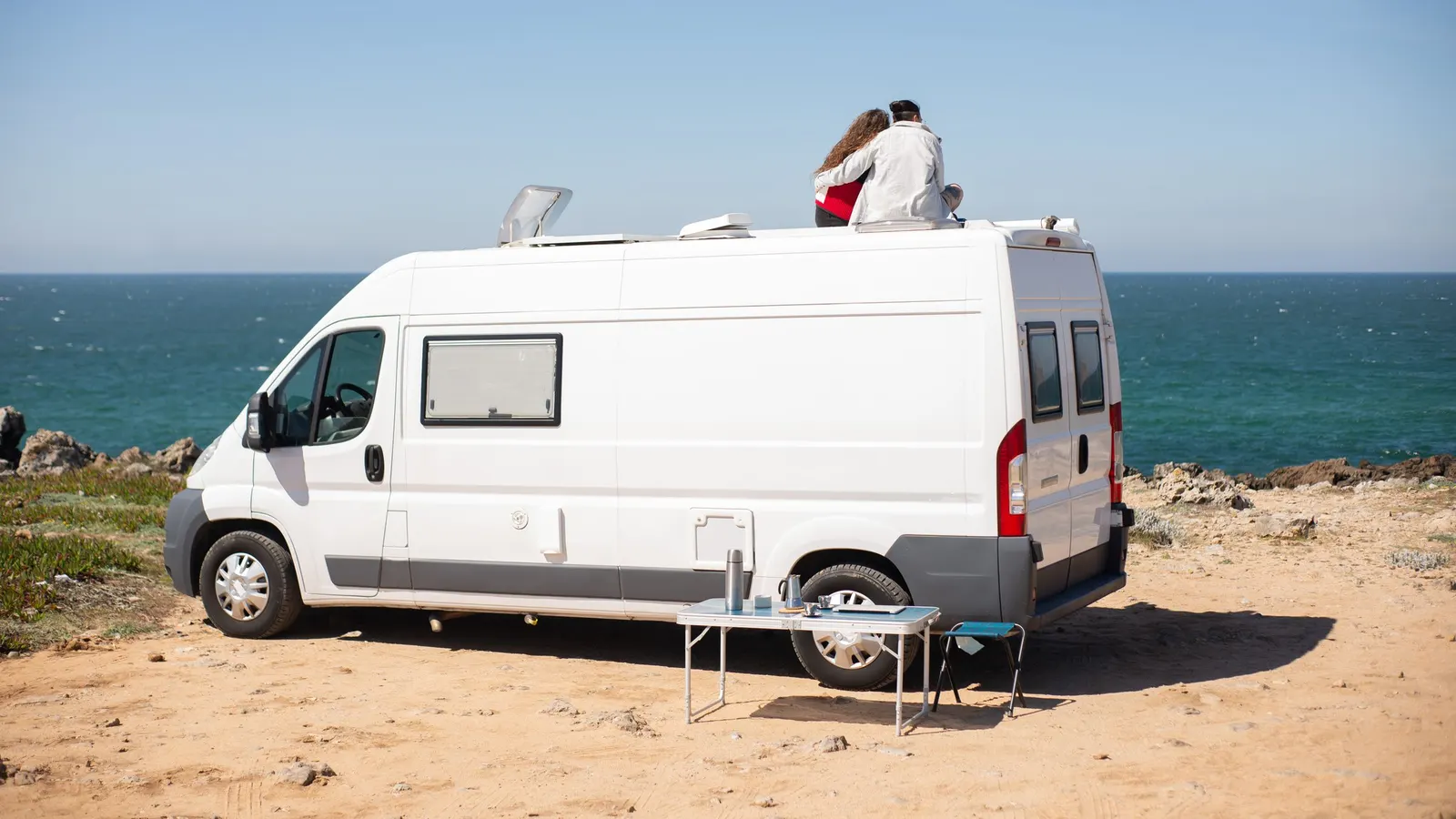
An RV air conditioner is what makes summer travel comfortable, and it is also the single biggest electrical load in most rigs. Choose the wrong size, or try to run it from the wrong power source, and you get tripped breakers, a stalled generator or a warm night. This guide explains how to choose, size, power and care for an RV AC unit, so you stay cool without surprises.
Last reviewed and updated: October 2, 2026. Written by Jeremy Jarvis.
Key takeaways
- Most RVs use a rooftop RV air conditioner that needs shore power or a generator, because cooling draws far more power than a battery bank usually stores.
- Bigger is not always better: an oversized unit costs more and cools less evenly, so match BTUs to the space and your climate.
- Starting surge is the hidden problem; a soft start can let a smaller generator or a 30-amp site run the AC.
- Clean filters, clear coils and smart parking keep an RV AC unit cooling on the hottest days.
First, we compare the main types of units. Next, we cover sizing, the power each source can supply and the starting surge that trips so many setups. Finally, we share simple ways to keep cool for less and a maintenance routine that keeps the unit working when you need it most. Our free RV Generator Size Calculator handles the power math for you.
The short answer: how an RV air conditioner works for most rigs
Most RVs use a rooftop RV air conditioner that runs on 120-volt AC power. As The RV Geeks explain, that usually means the rig must be plugged into a campground’s shore power pedestal or running a generator. Batteries and an inverter can run one for a while, but cooling uses far more energy than most battery banks store.
In other words, plan your power first and your unit second. A great air conditioner is useless if your site, generator or inverter cannot start it.
Types of RV air conditioner
RV air conditioners come in a few main designs. Each suits a different rig and budget, so it helps to know the differences before you shop.

Free download: The Full-Time RV Launch Checklist
Our 16-page planner: a 12-month countdown, inspection checklist, budget and weights worksheets and a maintenance calendar. Free and printable.
Rooftop units: standard and low profile
Rooftop units are the most common choice. They sit over a roof opening, often the same opening as a vent, and blow cold air down into the RV. Low-profile models are shorter, which helps with clearance under bridges and in garages, although they can cost more.
Non-ducted vs ducted systems
A non-ducted RV AC unit blows air from a single ceiling vent, often called a chill grill, much like a window air conditioner. A ducted system, by contrast, sends cool air through ducts to vents around the RV. As a result, ducted systems spread cooling more evenly, which is why they are common in larger rigs.
12-volt and battery-powered units
Newer 12-volt air conditioners run directly from the battery bank, so they need no shore power, generator or inverter. However, they generally offer lower output, so they suit vans and small trailers better than large rigs. They also need a substantial battery bank and charging plan.
Portable and window units
Some van and small-trailer owners use portable or window-style units. They cost less, but they take up space, need venting and are not designed for the vibration of the road. Therefore, most owners treat them as a stopgap rather than a permanent RV air conditioning solution.
RV air conditioner types compared
The table summarizes the trade-offs. Exact figures vary by model, so always check the specification sheet.
| Type | Typical use | Power source | Main trade-off |
|---|---|---|---|
| Rooftop, non-ducted | Most trailers and motorhomes | Shore power or generator | Cooling concentrated near one vent |
| Rooftop, ducted | Larger rigs and fifth wheels | Shore power or generator | Higher cost; needs duct space |
| Low-profile rooftop | Rigs near height limits | Shore power or generator | Often more expensive |
| 12-volt unit | Vans and small trailers | Battery bank | Lower output; large battery needed |
| Portable or window | Temporary or budget cooling | 120-volt outlet | Takes space; not built for travel |
How to size an RV AC unit
Air conditioners are rated in BTUs per hour. The U.S. Energy Information Administration defines one BTU as the heat needed to raise one pound of water by one degree Fahrenheit, so a higher rating means the unit can remove more heat each hour.
Most rooftop RV air conditioner units fall into a few common sizes, with 13,500 and 15,000 BTU among the most popular. Larger rigs often use two units rather than one very large one. However, bigger is not automatically better. ENERGY STAR notes that an oversized air conditioner costs more to purchase, wastes energy and does not provide better cooling, because it cycles on and off without removing humidity well.
Instead, consider these factors when you size an RV AC unit:
- Interior volume: longer, taller rigs need more capacity or a second unit.
- Climate: desert heat and humid southern summers demand more than mild coastal weather.
- Insulation and windows: large windows and thin walls let in more heat.
- Sun exposure: a rig parked in full sun all afternoon needs more cooling than one in shade.

Powering an RV air conditioner: shore power, generator or batteries
Power is where most RV air conditioner problems begin. Each source has limits, so it helps to understand them before a hot weekend.
Shore power: 30-amp vs 50-amp
At a campground, your RV’s electrical service sets the limit. A 30-amp RV can usually run one air conditioner, but running a microwave or water heater at the same time may trip the breaker. A 50-amp RV has much more capacity and can typically run two units plus other loads. Always plug in through a surge protector, because low voltage at a busy campground can damage the compressor.
Generators
A generator lets you run AC away from hookups. However, it must supply both the running watts and the brief starting surge. Many rooftop units need well over their running watts for a moment at start-up. Consequently, an undersized generator may stall or trip as the compressor kicks on. Our guide to choosing an RV generator covers sizing and campground generator hours in detail.
Batteries and inverters
Running a rooftop unit from batteries takes a large lithium bank, a big inverter and plenty of charging. Even then, most systems run the AC for hours rather than all night. Use our Battery Runtime Calculator to see how long your bank would last, and read our RV inverter guide before you upgrade.
Starting surge and soft starts
When an air conditioner compressor starts, it briefly draws several times its running current. That spike is what trips a 30-amp breaker or stalls a generator. A soft start device smooths that spike by ramping the compressor up gradually. As The RV Geeks explain, not all inverters can handle the start-up demand, and a soft starter reduces it.
In practice, a soft start can let a smaller generator start your RV air conditioner, allow you to run the AC alongside other loads on a 30-amp site, and reduce stress on your electrical system. Compare RV AC soft start kits and check that the model is compatible with your unit before you buy. Installation involves wiring inside the AC, so follow the instructions closely or use a qualified technician.

Running an RV AC unit off-grid
Off-grid air conditioning is possible, but it is a power project, not a quick add-on. Above all, you need three things working together: a battery bank large enough for the hours you want, an inverter that can handle the start-up surge, and enough solar or alternator charging to refill the bank. Meanwhile, a 12-volt unit can be a simpler route in a van, as long as you accept its lower output.
For many campers, the practical answer is a hybrid. Run the AC from a generator during the hottest hours, then switch to fans in the evening. Our RV Generator Size Calculator and RV Solar Sizing Calculator help you plan either approach.
Ways to keep your RV cool for less
The cheapest cooling is the heat you never let in. These habits reduce the load on any RV air conditioner, which means lower power use and a cooler rig.
- Park so the largest windows and the refrigerator vent face away from the afternoon sun.
- Use reflective window covers and close blinds on the sunny side.
- Run the AC early, before the rig heats up, rather than trying to cool a hot interior.
- Extend the awning to shade the sunny side.
- Cook outside on hot days to keep heat out of the cabin.
- Use a roof vent fan in the evening to pull cooler air through.
Similarly, keeping doors closed and sealing gaps around slides and windows helps the AC hold the temperature with fewer cycles.
RV air conditioner maintenance
A little routine maintenance keeps an RV AC unit cooling well and extends its life. Most of these jobs take minutes, so they fit easily into a monthly routine.
- Clean or replace the filters regularly, more often in dusty areas.
- Inspect the rooftop shroud for cracks that let in debris and water.
- Clean the coils gently, and straighten bent fins with a fin comb.
- Check the roof gasket around the unit for leaks after heavy rain.
- Clear the condensate drain so water runs off the roof rather than into the rig.
Before any work on the roof unit, turn off the power and follow your manufacturer’s instructions. Our free RV Maintenance Tracker helps you schedule these jobs alongside the rest of your maintenance.
RV air conditioner not cooling? Common causes
When an RV air conditioner runs but does not cool well, the cause is often simple. Check these first, then call a technician if the problem continues.
- Dirty filters restrict airflow and cut cooling noticeably.
- Low campground voltage makes the compressor struggle; a surge protector with a display shows it.
- Frozen coils can form when filters are dirty or the thermostat is set very low.
- Too much heat load: a rig in full desert sun may exceed what one unit can handle.
- Tripped breakers from running too many loads on a 30-amp site.
If the unit hums but will not start, the start capacitor or compressor may need attention. That work involves stored electrical charge, so leave it to a qualified technician.
RV air conditioning by rig type
The right setup depends heavily on what you drive or tow. Here is how the choices usually play out for common rigs.
Camper vans
Vans have little roof space and small battery banks. Consequently, many van owners choose a compact 12-volt unit or a low-draw rooftop model, and they rely on shade, reflective window covers and a roof fan for most of the day. If you work from a van in hot climates, budget for a large lithium bank and plenty of solar.
Small travel trailers
A single non-ducted rooftop RV air conditioner usually cools a small trailer well. Because many small trailers have 30-amp service, a soft start is worth considering if you plan to run a generator or use the microwave at the same time.
Fifth wheels and large motorhomes
Bigger rigs often use two ducted units on 50-amp service. As a result, they cool evenly, but they need a large generator or full hookups to run both units at once. Many owners run one unit overnight and both during the afternoon heat.
Older rigs
An older RV AC unit may simply be worn out. If cooling has faded despite clean filters and good voltage, compare the cost of a repair with a new, more efficient unit, and check that any replacement fits the existing roof opening and wiring.
Generator safety when you run the AC
Running a generator for AC is common, especially on hot nights. However, generators produce carbon monoxide. The EPA warns that carbon monoxide cannot be seen, tasted or smelled, and deadly levels can build up quickly in enclosed areas. Therefore, keep the exhaust pointed away from your RV and your neighbors, never run a generator inside an enclosed space, and test the carbon monoxide alarm before every trip. Also follow posted campground generator hours.
Buying checklist for an RV air conditioner
Before you buy a new or replacement RV air conditioner, run through this checklist. It keeps you focused on the details that decide whether the unit works in your rig.
- The BTU rating suits your rig’s size, climate and sun exposure, without oversizing.
- The unit fits your roof opening and your ducted or non-ducted setup.
- Your electrical service, generator or inverter can start and run it.
- A soft start is planned if you will use a generator or a 30-amp site.
- The height works with your clearance needs, if you choose low profile.
- The warranty and service network suit the way you travel.
When you are ready to compare models, browse rooftop RV air conditioners and check each against your power setup. For the rest of your electrical system, the RV Gear hub and our Solar & Power hub have you covered.
Ultimately, the best RV air conditioner is the one your power system can start and run reliably. Plan the power first, size the unit for your rig, and maintain it, and your RV will stay comfortable through the hottest stretch of summer.
Frequently asked questions about RV air conditioners
What size RV air conditioner do I need?
Match the unit to the space, your climate and how much sun the rig gets. ENERGY STAR notes that an oversized air conditioner costs more to buy, wastes energy and does not cool better. Most single-unit RVs use one rooftop unit, and larger rigs often use two.
Can I run an RV air conditioner on a generator?
Yes, if the generator covers both the running watts and the starting surge. A soft start reduces the surge, which can let a smaller generator start the AC. Our free RV Generator Size Calculator does the math for your unit.
Can batteries run an RV air conditioner?
For a few hours with a large lithium bank and a big inverter, yes, but not usually all night. Dedicated 12-volt units exist, though The RV Geeks note they offer lower output, generally around 7,000 to 10,000 BTU.
What does BTU mean for an air conditioner?
BTU stands for British thermal unit. The U.S. Energy Information Administration defines one BTU as the heat needed to raise one pound of water by one degree Fahrenheit. An AC’s BTU rating is how much heat it can remove per hour.
Is it safe to run a generator for AC while sleeping?
Only with the exhaust well away from the RV and working carbon monoxide alarms inside. The EPA warns that carbon monoxide cannot be seen, tasted or smelled and can build up quickly in enclosed spaces.
Sources and how we researched this guide
This guide is research-based. We did not test the air conditioners or brands named here. Power figures are typical ranges from manufacturer specification sheets, and the sizing and power math is the same math our free calculators use. Always follow your RV and appliance manufacturers’ instructions. Found something out of date? Tell us and we will check it against the source.
- The RV Geeks: RV air conditioner types and options
- ENERGY STAR: room air conditioners
- U.S. EIA: British thermal units explained
- U.S. EPA: carbon monoxide and indoor air quality
Keep planning
- RV Propane Tank Guide: Sizes, How Long They Last and Safety
- Portable Fridge for Camping: How to Choose, Power and Pack One
- RV Trailer Hitch Guide: Hitch Classes, Tongue Weight and Weight Distribution
- RV Awning Care: How to Clean, Protect and Extend the Life of Your Awning
Go deeper: RV Gear hub · RV Starter Gear Checklist

Written by Jeremy Jarvis
Jeremy Jarvis is the founder and editor of Freedom Road Living, where he builds research-based guides and free planning tools for people who live, work and travel in an RV. He sets the site's editorial standards, checks every guide against official sources such as the National Park Service and manufacturer documentation, and is responsible for corrections. Jeremy also founded Eco Nomad Travel, Mind Clarity Hub, SilkHarborTravel and WanderOza Travel, and he is the author of books on clarity, focus and practical AI, including The Power of Clarity and Digital Clarity.