
Workamping Jobs and Camp Host Jobs: How to Find Work on the Road
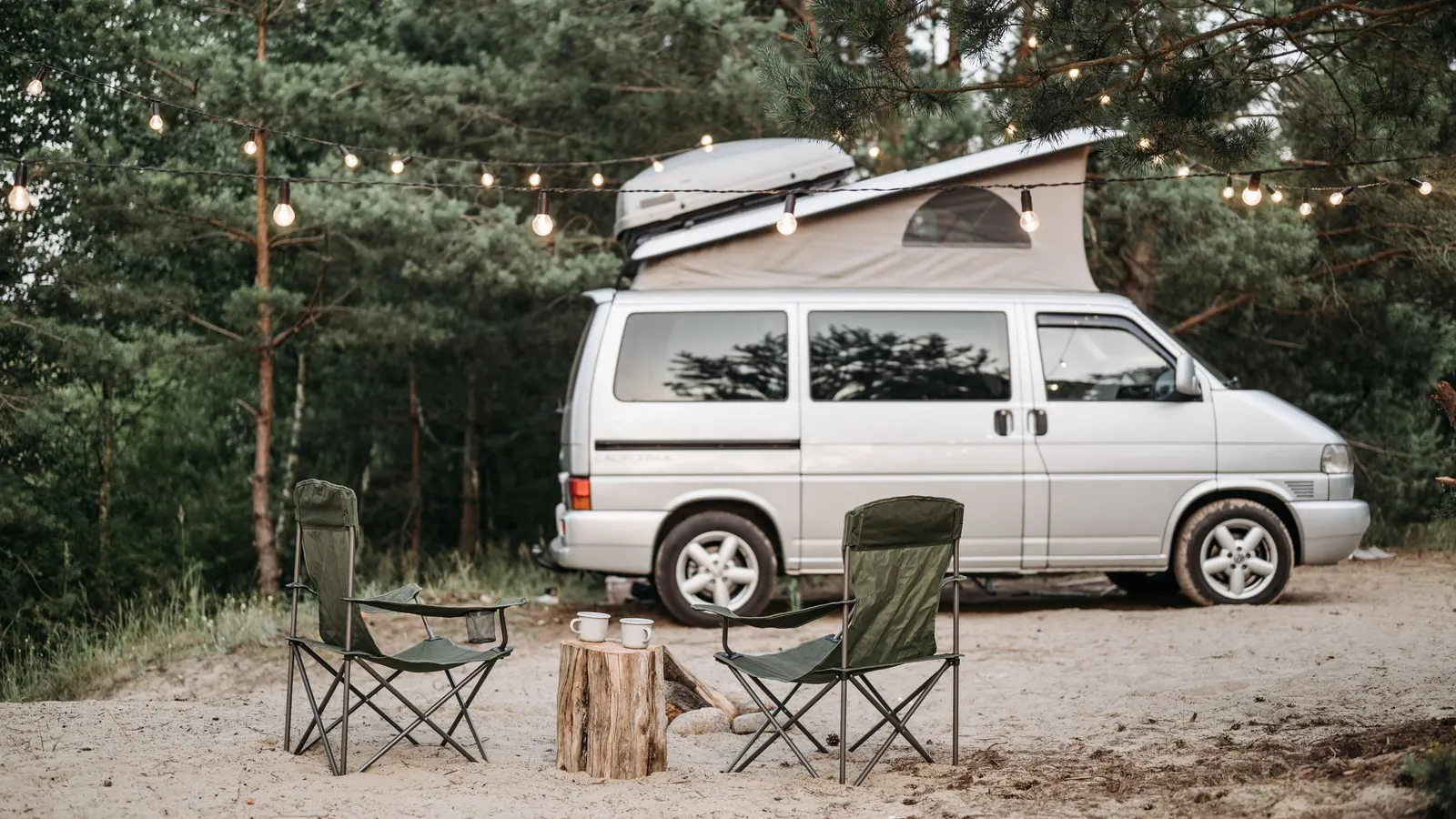
Workamping jobs let RVers trade work for a place to park, a paycheck, or both. For full-timers, they can cut the biggest line in the budget, campground fees, while adding community and purpose to life on the road. Camp host jobs on public land are the best-known example, but workamping also includes paid seasonal jobs at campgrounds, parks and attractions. This guide explains the types of work, where to find it using official sources, what to ask before you commit, and the tax questions to check.
Last reviewed and updated: September 30, 2026. Written by Jeremy Jarvis.
Key takeaways
- Workamping jobs trade work for a campsite, wages, or both, at campgrounds, parks, and seasonal businesses.
- Public land agencies recruit volunteer camp hosts; the USDA Forest Service lists greeting visitors as camp hosts among its volunteer roles.
- Get the hours, duties, site hookups, and any pay in writing before you arrive.
- A free site may have tax consequences depending on the arrangement, so check IRS guidance and ask a tax professional.
What is workamping?
Workamping combines work and camping. In a typical arrangement, you live in your RV at or near your workplace and receive a campsite, wages, or both in return for your time. Some positions are volunteer roles, while others are regular paid jobs that happen to include an RV site.
Because arrangements vary so widely, the most important habit is to treat every workamping job like any other job: understand the duties, the hours and the compensation before you agree. Then get it in writing.
Types of workamping jobs
| Type | Typical duties | Typical compensation | Where to look |
|---|---|---|---|
| Volunteer camp host on public land | Greeting campers, sharing information, light upkeep | Usually a campsite, sometimes with hookups | Volunteer.gov, park and forest volunteer pages |
| Private campground staff | Check-in, office work, grounds, maintenance, cleaning | Site, wages, or a mix | Campground career pages, workamping job boards |
| Concessionaire and resort jobs | Front desk, retail, food service, housekeeping | Wages, often with an RV site | Concessionaire career pages |
| Seasonal businesses | Harvest work, events, attractions, retail peaks | Wages, sometimes with a site | Employer websites and seasonal job boards |
Many RVers start with one type, then mix them across the year, for instance, camp hosting in a national forest in summer and working a paid seasonal job in winter.
Volunteer camp host jobs on public land
Public land agencies rely heavily on volunteers, and camp host jobs are among the most popular roles. The USDA Forest Service says that since 1972 more than three million volunteers and service participants have provided about 130 million hours of service, and it lists greeting visitors as camp hosts among the ways volunteers help. Likewise, the National Park Service runs its Volunteers-In-Parks program to support park operations.
Camp host duties often include welcoming campers, explaining rules, answering questions and helping keep sites clean. In return, hosts usually receive a campsite for the season, sometimes with hookups. However, details differ by location, so read each listing carefully. Many federal volunteer positions are listed on volunteer.gov, where you can search by agency, state and type of work.
Paid workamping jobs
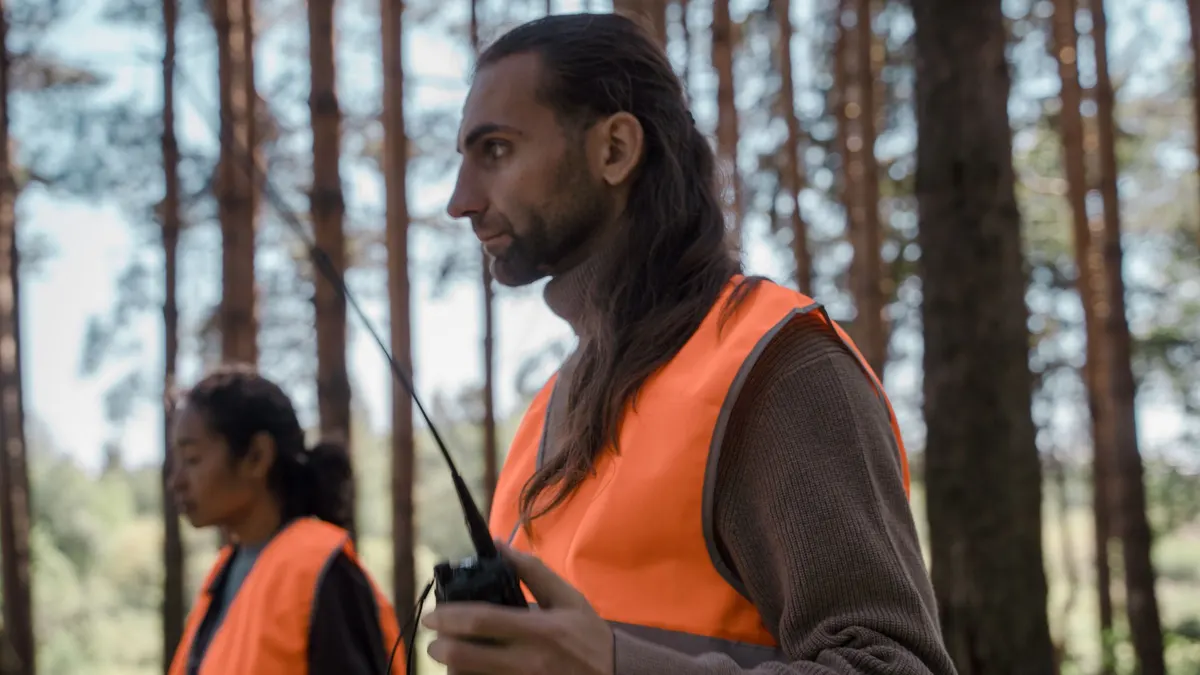
Paid workamping jobs include staff positions at private campgrounds and RV parks, jobs with concessionaires that run lodges and stores in parks, and seasonal work at attractions and businesses. Some campground chains are known for hiring work campers each season. Pay may be hourly wages, a free site, or a combination, such as a site in exchange for a set number of hours plus wages for any extra.
When a job offers both a site and wages, compare the total value with what you would earn and spend otherwise. For example, a site worth a campground’s monthly rate can be significant, but only if the hours leave you time and energy for everything else. Our Full-Time RV Budget Calculator helps you see what a free site does to your monthly budget.
How to find workamping jobs
- Decide what you want. Volunteer or paid, location, season, hours per week, and whether you need hookups.
- Search official volunteer listings. Volunteer.gov and the volunteer pages of the National Park Service and USDA Forest Service list public land positions.
- Check employers directly. Campground chains, private parks and concessionaires post openings on their own career pages.
- Use job boards with care. Workamping job boards and groups can help, but verify every employer independently.
- Apply early. Popular summer positions are often filled well before the season starts.
- Prepare a short RV resume. Include your RV type and length, relevant skills, availability and references.
Questions to ask before you accept a workamping job
Clear answers up front prevent most workamping problems. So ask these questions, and get the answers in writing.
- What are the exact duties, and how many hours per week per person?
- Is the position paid, volunteer, or a mix? How is pay calculated, and when is it paid?
- Which hookups and amenities come with the site: water, electric amperage, sewer, laundry, Wi-Fi, propane?
- How are extra hours, or fewer hours, handled?
- What are the start and end dates, and what if either side ends early?
- Is there a maximum RV length or age for the site?
- Are pets allowed, and are there any restrictions?
- Will you be an employee, a contractor, or a volunteer?
In addition, ask to speak with a current or past workamper if possible. Their experience is often the best guide to the reality of the job.
Pay, free sites and taxes
Workamping can affect your taxes in ways that surprise people. Wages are taxable income like any other job. A free campsite can be more complicated. IRS Publication 525 explains that, for employees, the value of meals and lodging provided by an employer at no charge can be excluded from income only if certain conditions are met. Volunteer arrangements with government agencies differ from paid employment. Therefore, the tax treatment of a free site depends on the specific arrangement, so ask a qualified tax professional before you assume a site is tax-free.
Also, think about domicile and state taxes if you work in different states during the year. Our Work From the Road hub covers the broader questions of earning an income while traveling.

A season of workamping: what to expect
Most workamping jobs follow the rhythm of the camping season. For example, a summer camp host might arrive in late spring, help open the campground, work through the busy months, and help close it in the fall. During that time, weekends and holidays are usually the busiest, so days off often fall midweek. In addition, the first week tends to be intense, because you are learning the site, the systems and the local rules at the same time.
After that, many workampers settle into a routine. Meanwhile, living in one place for months changes how you travel. Consequently, you will shop in the same town, get to know regular visitors and have time to explore nearby on your days off. For many RVers, that slower pace is the real reward.
Red flags in workamping job listings
Most workamping employers are honest, but some listings deserve caution. Watch for these warning signs.
- Vague duties or hours. If the listing cannot say what you will do or for how long, ask before you commit.
- Many hours for only a site. A site for a few hours a week is common; a site for a full-time workload may undervalue your time.
- Pressure to decide quickly. Reputable employers expect questions.
- Requests for money. Be wary of any job that asks you to pay a fee to be hired.
- No written agreement. Verbal promises are hard to enforce if something goes wrong.
If something feels off, keep looking. There are many good workamping jobs, and the right fit is worth the wait.
How to get hired for workamping jobs
Employers want reliable people who fit in with their team and their guests. Therefore, highlight experience that shows you can greet the public, solve problems and work independently. Customer service, maintenance, office and hospitality experience all help. In addition, mention practical details that make you easy to hire, such as a self-contained RV, flexible dates or experience with the campground’s software. Finally, respond quickly and professionally, and follow up after an interview. As a result, you will stand out, especially for camp host jobs in popular locations.
Pros and cons of workamping jobs
Advantages
- A free or reduced-cost site can cut a major expense.
- Staying in one place for a season reduces fuel costs and wear.
- You meet other RVers and become part of a community.
- Camp host jobs on public land can put you in beautiful, sought-after locations.
Drawbacks
- You are tied to one place for the season.
- Work can be physical, and weekends and holidays are often the busiest.
- Some arrangements value your hours far below market wages.
- Remote sites may have limited internet and shopping.
Weigh these honestly. For many RVers, a good workamping job is a highlight of the year; for others, the loss of freedom to move is too high a price.
Workamping for couples and solo travelers
Many employers prefer couples, because two people can cover more shifts and some positions require two. If you apply as a couple, clarify whether each person is paid, whether the site is shared compensation, and how hours are split. On the other hand, solo travelers can find plenty of roles too, especially in office, retail and host positions. In either case, be clear about your availability and physical limits.
Staying connected and powered while workamping
Workamping sites range from full-hookup spots to remote campgrounds with no electricity. If your site has limited power, plan your battery and solar system accordingly. Our guides to RV solar panels and the RV lithium battery explain how to size them. Likewise, if you also work online, check cell coverage before you accept a remote position, and consider a backup such as Starlink for RV.
Is workamping right for you?
Workamping suits some RVers far better than others. For instance, it tends to work well if you enjoy routine, like meeting people and want to stretch your budget without giving up life on the road. Similarly, it can be a good fit if you are between remote jobs or testing whether full-time RVing is sustainable. However, it can feel limiting if you love moving every few days or need complete control over your schedule.
A good way to decide is to try a short season first. For example, some positions run only a month or two. That way, you learn what the work involves, how the arrangement affects your budget, and whether you enjoy staying put. Then, if it works, you can look for longer or better-paid positions the following year. Also, keep notes on each job, because good references from one season often open doors to the next.
Workamping jobs checklist
- Know what you want: paid or volunteer, season, hours, location.
- Search official volunteer listings and employers directly.
- Verify the employer or agency independently.
- Get duties, hours, pay, site details and dates in writing.
- Confirm your RV fits the site.
- Check the tax treatment with a professional.
- Plan power and internet for the site.
- Keep a savings cushion in case the job ends early.
Workamping jobs can make full-time RV life more affordable and more rewarding. Start with clear expectations, and each season can bring a new place, new people and a lower campground bill. For more ways to cut costs, see our guide to free camping and the RV Living hub.
Frequently asked questions about workamping jobs
How do workamping jobs work?
You work at a campground, park or seasonal business in exchange for a campsite, wages, or both. Arrangements range from volunteer camp hosting on public land to paid seasonal jobs at private campgrounds and attractions.
Do camp hosts get paid?
It depends on the position. Many camp host jobs on public land are volunteer roles that provide a campsite, while some private campgrounds and concessionaires offer wages plus a site. Always confirm pay, hours and site details in writing.
Where can I find camp host jobs?
For public land, check volunteer.gov and the volunteer pages of the National Park Service and the USDA Forest Service. For private campgrounds and seasonal businesses, check the employers’ own career pages and workamping job boards.
Is a free campsite taxable income?
It can depend on the arrangement. IRS Publication 525 explains when employer-provided meals and lodging can be excluded from income, and volunteer arrangements differ from paid jobs. Ask a tax professional about your situation.
Are workamping jobs good for couples?
Many employers like hiring couples because they can cover more shifts, and some positions require two people. Clarify whether each person is paid or whether hours are shared before you accept.
Sources and how we researched this guide
This guide is research-based. We did not work these jobs for this article. Information on volunteer programs comes from the National Park Service, the USDA Forest Service and volunteer.gov, and the tax point comes from IRS Publication 525. Job terms vary widely, so confirm every detail with the employer or agency, and consult a tax professional about your situation. Found something out of date? Tell us and we will check it against the source.
- National Park Service: volunteer (Volunteers-In-Parks)
- USDA Forest Service: volunteers
- Volunteer.gov: federal volunteer opportunities
- IRS Publication 525: taxable and nontaxable income
Keep planning
- Free Camping in the US: How to Find Legal Free Campsites
- Motorhome vs Fifth Wheel for Full-Time Living
- New vs Used RV: Which Should You Actually Buy?
- RV Propane Tank Guide: Sizes, How Long They Last and Safety
Go deeper: Campgrounds & Routes hub · RV Campground Finder and Length Checker · Campground Cost Calculator

Written by Jeremy Jarvis
Jeremy Jarvis is the founder and editor of Freedom Road Living, where he builds research-based guides and free planning tools for people who live, work and travel in an RV. He sets the site's editorial standards, checks every guide against official sources such as the National Park Service and manufacturer documentation, and is responsible for corrections. Jeremy also founded Eco Nomad Travel, Mind Clarity Hub, SilkHarborTravel and WanderOza Travel, and he is the author of books on clarity, focus and practical AI, including The Power of Clarity and Digital Clarity.