
How to Rent an RV: Costs, Options, and a First-Timer’s Checklist
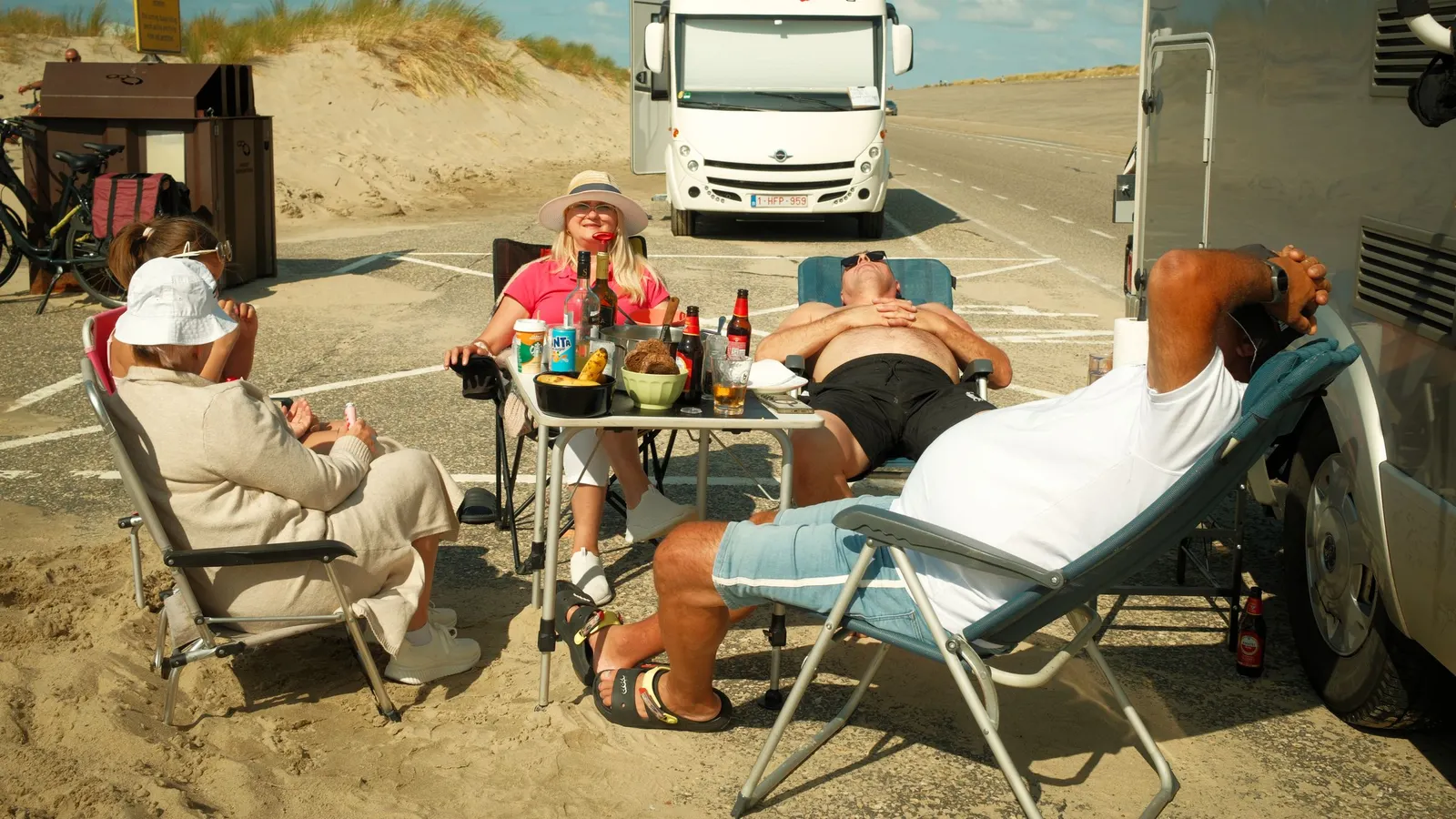
If you want to rent an RV for the first time, the options can feel overwhelming. There are rental companies and private owners, motorhomes and trailers, and a long list of fees that do not appear in the headline price. The good news is that RV rental follows a simple pattern once you know what to look for. This guide explains how to choose a rental, what it really costs, what to check at pickup, and how to make a first trip go smoothly.
Last reviewed and updated: September 30, 2026. Written by Jeremy Jarvis.
Key takeaways
- You can rent an RV from a rental company or from private owners on peer-to-peer marketplaces; each has different pricing and support.
- The nightly rate is only part of the cost: mileage, generator use, prep and cleaning fees, insurance, taxes and deposits add up.
- Check insurance before you book, because many personal policies and card benefits treat RVs differently from cars.
- Book campgrounds early, inspect and photograph the RV at pickup, and plan short driving days for a first trip.
Why rent an RV before you buy?
Renting is the lowest-commitment way to find out whether RV travel suits you. For example, you can learn how it feels to drive a large vehicle, dump tanks and live in a small space for a week, without the cost of buying, insuring and storing an RV. Renting also lets you try different floor plans and sizes, which makes a later purchase far more informed.
In addition, renting can simply be cheaper if you travel only a few weeks a year. Our RV Rental vs. Purchase Calculator compares the two, including depreciation, and shows how many nights a year you would need to travel before owning costs the same as renting.
Ways to rent an RV compared
There are two main ways to rent an RV, and each has strengths.
| Option | How it works | Strengths | Watch for |
|---|---|---|---|
| Rental companies | You rent from a fleet at a company location | Standardized RVs, set processes, often roadside support | Mileage and generator fees, limited locations, kitchen and linen kits sold as extras |
| Peer-to-peer marketplaces | You rent a privately owned RV through an online platform | Wide variety, trailers and campers, sometimes delivery to your campsite | Each owner sets rules and fees; check insurance, support and cancellation terms |
| Delivered rentals | An owner or company tows or drives the RV to your campsite and sets it up | No towing or RV driving needed | Delivery fees and limited flexibility to move |
| One-way rentals | You pick up in one city and return in another | Longer routes without backtracking | One-way fees and limited availability |
Most first-timers choose a Class C motorhome from a rental company or a peer-to-peer listing. However, if you already own a capable tow vehicle, renting a travel trailer can be a cheaper way to try RV life.

Free download: The Full-Time RV Launch Checklist
Our 16-page planner: a 12-month countdown, inspection checklist, budget and weights worksheets and a maintenance calendar. Free and printable.
Which type of RV should you rent?
- Class C motorhome: the most common rental. It has a truck-style cab, a bed over the cab, and is easier to drive than a large Class A.
- Class B camper van: easy to drive and park, great for couples, but compact inside.
- Class A motorhome: spacious and comfortable, but large, harder to drive and more expensive to fuel.
- Travel trailer or fifth wheel: requires a suitable tow vehicle and hitch, but frees your vehicle for day trips once parked.
For a first trip, choose the smallest RV that fits your group comfortably. A smaller rig is easier to drive, fits more campsites and uses less fuel. In fact, many national park campgrounds post length limits, so a shorter rental opens more options. Our guide to national park RV length limits explains why.
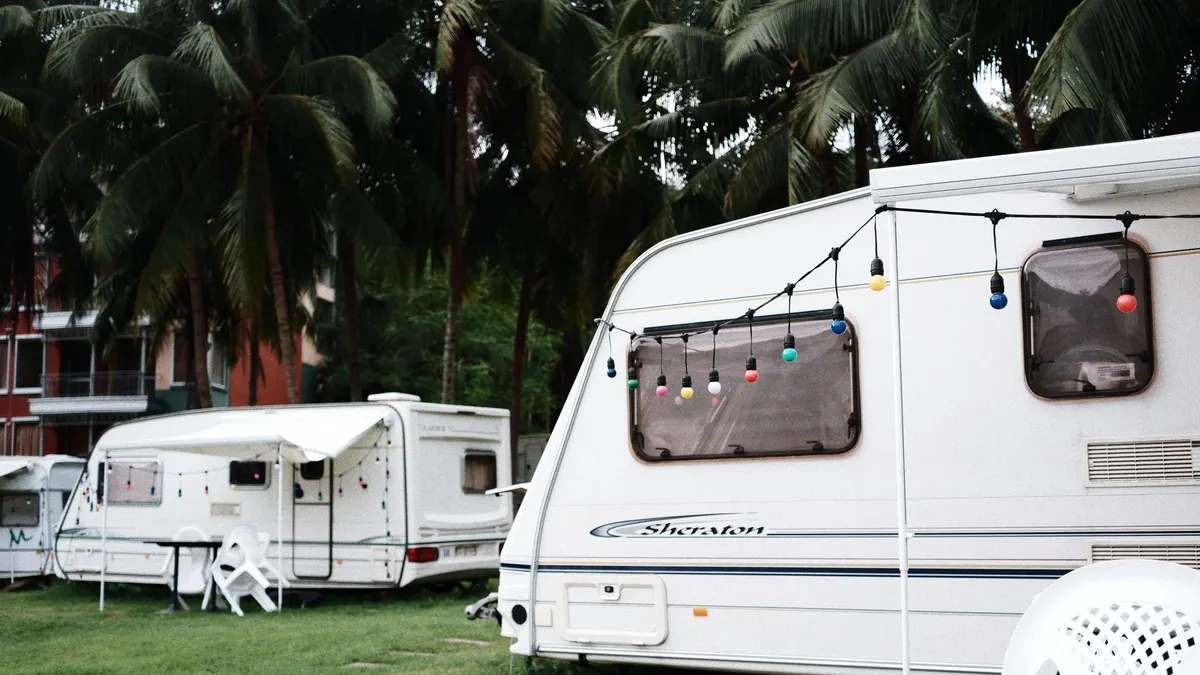
What RV rental really costs
The nightly rate is only the start. When you rent an RV, the total usually includes several of these charges, so ask for each one in writing before you book.
- Nightly rate, which often varies by season and may require a minimum number of nights.
- Mileage, either a per-mile charge or a daily allowance with fees beyond it.
- Generator use, sometimes charged per hour.
- Prep, cleaning and dumping fees, including charges if tanks are returned full.
- Kitchen, linen and gear kits, which some companies rent separately.
- Insurance or protection plans, which vary widely.
- Taxes and service fees.
- Security deposit, held and refunded after return if there is no damage.
- Your own costs: fuel, propane, campground fees and park entrance fees.
The FTC’s advice on vehicle rentals applies here too: double-check that the prices you compare include taxes and fees, and read the cancellation policy, because some rentals require cancellation well in advance and prepaid reservations may carry fees no matter when you cancel. To estimate the full trip, use our RV Trip Cost Calculator, adding the rental charges to fuel, campsites and food.
Insurance, licensing and age rules
Insurance is the question most first-time renters overlook. Many personal auto policies and credit card rental benefits limit or exclude RVs, especially large motorhomes. Therefore, call your insurer and your card issuer before you book, and ask specifically about RV rentals. Then compare with the protection plans the rental company or marketplace offers, paying attention to deductibles, what is excluded, and roadside assistance.
Licensing is usually simpler. Most rental motorhomes and trailers can be driven with a standard driver’s license in the United States. However, rules for very large or heavy vehicles vary by state, and rental companies and owners set their own minimum ages and driver requirements. So confirm both before you book, and list every driver on the rental agreement.
How to book an RV rental, step by step
- Pick your route and dates. Popular destinations and summer weekends book up early.
- Reserve campgrounds first, or at the same time. A rental is little use without a place to park it. Our RV Campground Finder lists federal campgrounds by state and rig length.
- Compare two or three rentals. Compare the total price, not the nightly rate.
- Check insurance and cancellation terms. Get answers in writing.
- Confirm pickup and return times. Late returns can carry fees.
- Ask about the orientation. A good walkthrough at pickup is essential for first-timers.
Pickup inspection checklist
The pickup is your chance to avoid disputes later. The FTC recommends inspecting rental vehicles for damage before you drive away, and the same advice applies even more to RVs. So take your time.
- Walk around the RV and photograph or video every scratch, dent and crack, including the roof edges and awning.
- Check tires for wear and damage.
- Test the generator, air conditioner, furnace, water heater, fridge, stove and slide-outs.
- Confirm fuel and propane levels, and note them on the paperwork.
- Ask for a demonstration of dumping tanks, connecting water and electric, and leveling.
- Make sure you have the manuals, emergency contacts and roadside assistance number.

Driving and camping tips for your first RV rental
Driving an RV is different from driving a car, but it is manageable with a few habits. First, know your RV’s height and length, and watch for low clearances at drive-throughs and bridges. Second, allow extra stopping distance and take turns wide, watching the tail swing. Third, use pull-through fuel lanes where you can, and avoid tight parking lots.
In addition, plan short driving days, especially on your first trip. Many RVers aim to arrive at camp in the early afternoon so they can set up in daylight. Our RV Travel-Day Planner helps you time each leg. Finally, practice the setup routine, leveling, hooking up and extending slides, at your first campsite before you need to do it in the dark or rain.
When is the best time to rent an RV?
Timing affects both price and availability. Summer and holiday weekends are the busiest, so rates tend to be higher and popular RVs book early. By contrast, spring and fall often bring lower rates, quieter campgrounds and milder weather in many regions. As a result, if your dates are flexible, a shoulder-season trip is often the easiest way to rent an RV for less. In addition, midweek pickups and longer rentals sometimes qualify for better pricing, so ask about both.
What to pack when you rent an RV
Rental RVs vary in what they include, so confirm the inventory before you pack. Many rentals include basic kitchen gear and bedding only as paid add-ons. Therefore, a short packing list saves money and hassle.
- Bedding, towels and pillows, unless included.
- Basic kitchen items, such as a pan, utensils and a coffee maker.
- Disposable gloves for dumping tanks.
- Flashlights, a small tool kit and duct tape.
- Camp chairs and an outdoor mat.
- Groceries planned around the fridge size.
- Printed reservations and campground maps for areas with no signal.
Pack light, too. RVs have weight limits, and a lighter load handles better and uses less fuel.
Common RV rental mistakes
- Comparing nightly rates only. The total price, including mileage and fees, is what matters.
- Skipping the insurance call. Coverage gaps are expensive to discover after an accident.
- Planning long driving days. A first trip is more fun with shorter drives and more time at camp.
- Booking the RV before the campground. Popular campgrounds can fill months ahead.
- Rushing the pickup. A careful walkthrough and photos protect your deposit.
- Ignoring the return rules. Full tanks, low fuel or a late return can add fees.
Renting an RV for a national park trip
National parks are a favorite first RV trip, but they add a few steps. First, many park campgrounds fill quickly and open reservations months in advance, so book the campground as soon as you know your dates. Second, check the campground’s posted length limit and choose a rental that fits. Our guides to Grand Teton campgrounds and Sleeping Bear Dunes camping show how limits and hookups vary. Finally, remember that entrance passes and campground fees are separate from the rental, so add both to your budget.
Returning the RV
To avoid extra fees, return the RV the way the agreement requires. Typically, that means dumping and rinsing the tanks, refilling fuel and propane to the agreed levels, and leaving the interior reasonably clean. Take photos at return, too, and keep your receipts for fuel, propane and dump fees. Then, check that your security deposit is released within the time stated in the agreement.
Is renting an RV right for you?
Renting is ideal if you are curious about RV travel, travel only occasionally, or want to try a specific type of RV before buying. On the other hand, if you already travel many weeks a year, owning may eventually cost less. Our guide to RV loans explains the financing side if you decide to buy later.
First-time RV rental checklist
- Route, dates and campgrounds booked.
- Two or three rentals compared by total price.
- Insurance confirmed in writing.
- Cancellation, mileage and generator terms understood.
- Driver requirements met and all drivers listed.
- Pickup inspection completed with photos.
- Tank, hookup and leveling demonstration received.
- Return requirements noted.
With the right preparation, your first chance to rent an RV can be the start of many great trips. For more planning help, see our RV Living hub.
Frequently asked questions about renting an RV
How much does it cost to rent an RV?
It depends on the RV, the season, the location and the fees. Beyond the nightly rate, budget for mileage, generator hours, prep or cleaning fees, insurance, taxes, a security deposit, fuel and campground fees. Our RV Trip Cost Calculator helps you add it all up.
Do you need a special license to rent an RV?
Most rental motorhomes and travel trailers can be driven with a standard driver’s license in the United States, but rules for very large or heavy vehicles vary by state. Check your state’s rules and the rental company’s requirements before you book.
Does my car insurance cover a rental RV?
Not always. Many personal auto policies and credit card rental benefits limit or exclude RVs. Call your insurer and card issuer before you book, and compare with the coverage the rental company or marketplace offers.
What should I check when I pick up a rental RV?
Walk around the RV and photograph any damage, check tires, test the appliances, generator and slide-outs, confirm fuel and propane levels, and ask for a full demonstration of the tanks and hookups before you drive away.
Is it better to rent from a company or a private owner?
Rental companies often offer standardized fleets and roadside support, while peer-to-peer marketplaces offer more variety and sometimes delivery. Compare the total price, insurance, support and cancellation terms for your trip.
Sources and how we researched this guide
This guide is research-based. We did not rent RVs for this article. General rental guidance comes from the Federal Trade Commission’s consumer advice on renting vehicles, and the cost framework matches our RV Trip Cost and Rental vs. Purchase calculators. Rental terms vary by company and owner, so read your agreement carefully. Found something out of date? Tell us and we will check it against the source.
- FTC: renting a car (fees, cancellation, inspection)
- Recreation.gov: reserve federal campsites
- National Park Service: camping
- CFPB: consumer tools
Keep planning
- Motorhome vs Fifth Wheel for Full-Time Living
- New vs Used RV: Which Should You Actually Buy?
- RV Propane Tank Guide: Sizes, How Long They Last and Safety
- RV Air Conditioner Guide: BTUs, Power, Soft Starts and Upkeep
Go deeper: RV Living hub · RV Rental vs. Purchase Calculator · RV Trip Cost Calculator

Written by Jeremy Jarvis
Jeremy Jarvis is the founder and editor of Freedom Road Living, where he builds research-based guides and free planning tools for people who live, work and travel in an RV. He sets the site's editorial standards, checks every guide against official sources such as the National Park Service and manufacturer documentation, and is responsible for corrections. Jeremy also founded Eco Nomad Travel, Mind Clarity Hub, SilkHarborTravel and WanderOza Travel, and he is the author of books on clarity, focus and practical AI, including The Power of Clarity and Digital Clarity.